 Abadi
Abadi 


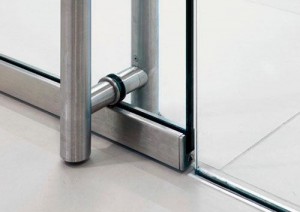
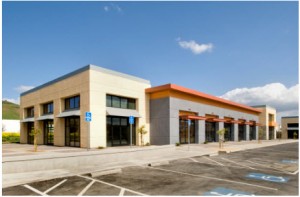
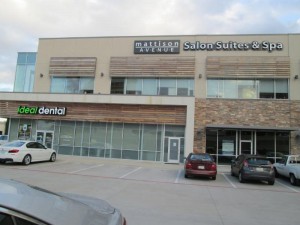
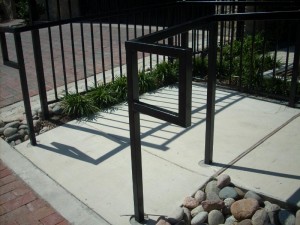
The Texas Department of Licensing and Regulation requires that commercial projects that are over $50,000 in construction cost get a third party plan review as well as inspection. During inspections I often see violations that tend to occur more often than others. In this newsletter you will find three examples of items that happen often enough where I think it would be important to bring it to your attention. Hope this prevents these violations to happen to you.
Door Hardware

Shell building finish out
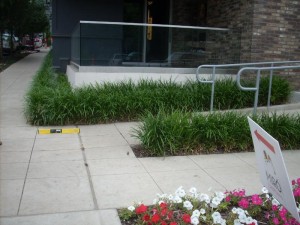
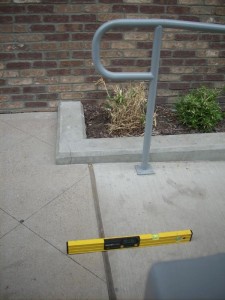
Handrail extensions
Need CEUs
They are available for sale now. (also available as an e-book)
If you have any questions about these or any other topics, please feel free to contact me anytime.
Marcela Abadi Rhoads, RAS #240
Abadi Accessibility
214. 403.8714
marhoads@abadiaccess.com
www.abadiaccess.com
Employee Work Areas
Monday, May 2nd, 2016Work Areas
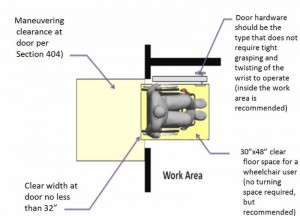
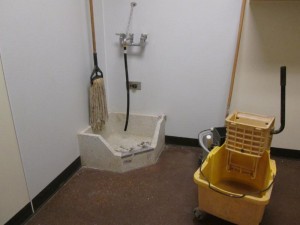

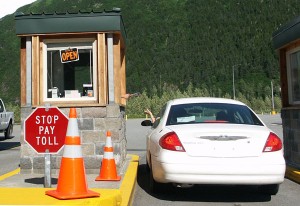
This toll booth is less than 300 s.f. and elevated more than 7″ a.f.f. and therefore do not require an accessible route to it or the ability to approach it and enter it.
The Standards sometimes provide additional guidance through “advisories”. These are NOT requirements, but they are suggestions that might make your design a better one. Below are some of the advisories on work areas:
Advisory 203.9 Employee Work Areas. Although areas used exclusively by employees for work are not required to be fully accessible, consider designing such areas to include non-required turning spaces, and provide accessible elements whenever possible.
Under the Title I of the ADA, employees with disabilities are entitled to reasonable accommodations in the workplace; accommodations can include alterations to spaces within the facility. Designing employee work areas to be more accessible at the outset will avoid more costly retrofits when current employees become temporarily or permanently disabled, or when new employees with disabilities are hired.

In addition to approach, enter and exit, the employee work area shall also comply with the following sections of the ADA Standards: 206.2.8, 207.1, and 215.3. These will be explained in detail below.
206.2.8 Employee Work Areas. Common use circulation paths within employee work areas shall comply with 402.
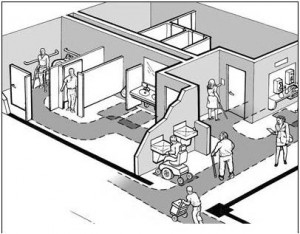
The circulation path should meet the requirements for ADA Section 402 which includes a minimum 36″ width along the circulation path.
EXCEPTIONS:
1. Common use circulation paths located within employee work areas that are less than 1000 square feet (93 m2) and defined by permanently installed partitions, counters, casework, or furnishings shall not be required to comply with 402.2.
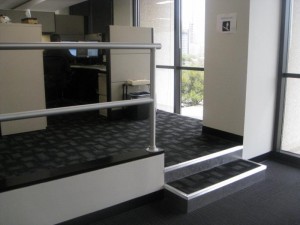
This employee work area is less than 1,000 s.f. and therefore the step is allowed
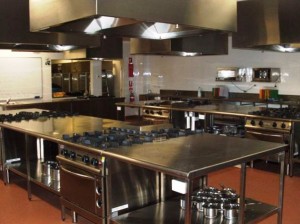
This commercial kitchen has equipment that is an integral part of the work area. The 36″ min. circulation path in this space is not required to comply due to the location of the work area equipment.
Advisory 206.2.8 Employee Work Areas
Exception 2. Large pieces of equipment, such as electric turbines or water pumping apparatus, may have stairs and elevated walkways used for overseeing or monitoring purposes which are physically part of the turbine or pump. However, passenger elevators used for vertical transportation between stories are not considered “work area equipment” as defined in Section 106.5.
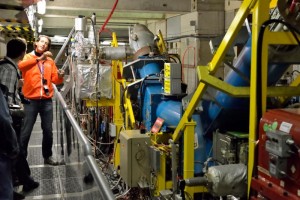
An accessible route/circulation path up to the elevated walkway used to monitor work area equipment is not required to be provided.
Common use circulation paths located within exterior employee work areas that are fully exposed to the weather shall not be required to comply with 402.
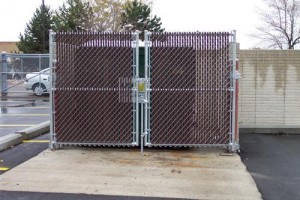
A dumpster is considered an extension of a work area. Although a circulation path within the work area might be required, because the dumpster is located on the exterior and fully exposed to the weather, a circulation path will not be required.
Advisory 206.2.8 Employee Work Areas Exception 1. Modular furniture that is not permanently installed is not directly subject to these requirements
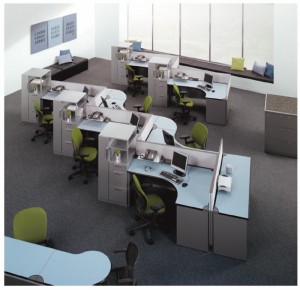
The modular furniture in an open office is not required to be installed so that there is a minimum 36″ width is provided. They are essentially exempted from having to comply (unless they are permanently attached to the ground or wall)
207.1 Employee work areas are required to have an accessible means of egress per the requirements in the IBC
215.3 Employee Work Areas. Where employee work areas have audible alarm coverage, the wiring system shall be designed so that visible alarms complying with 702 can be integrated into the alarm system.
Employee Areas that are not work related
The requirements thus far have been for areas that are considered part of the “work” areas in a space. But there are other areas that are also part of an employee area, but are not related to the work they perform. Those areas that are NOT related to their job description will not be exempted and must comply. Below are a few examples of areas that might be for employees only, but must be fully compliant with the Standards:
Break Rooms
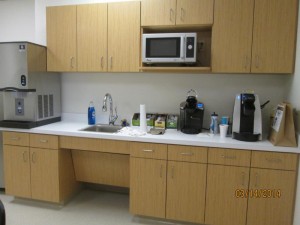
The sink in this break room and the height of the counter are required to comply. The microwave shown in this photo is not permanently attached and therefore the reach range is not required to comply.
LEED Showers for employees
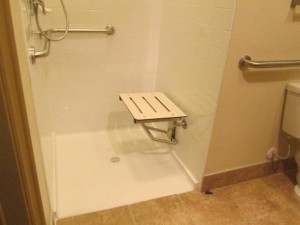
Some showers that are accessed through a private office have less requirements. But if it is a common use shower for all employees to use, then they must comply with section 608
Employee Restrooms

All restrooms including employee restrooms must comply with the requirements in Sections 603-606
Employee Locker Rooms
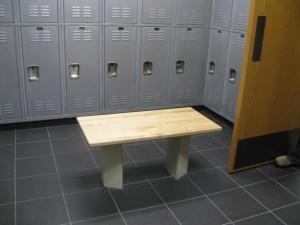
The lockers as well as the bench in this locker/dressing room must comply with the Standards
Employee dining counters

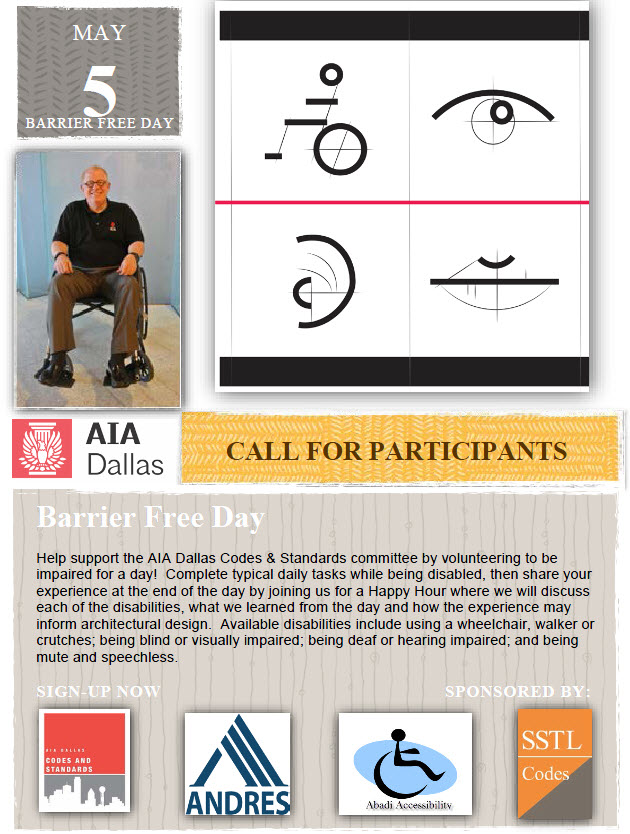
Barrier Free Day in Dallas Texas
Need CEUs
They are available for sale now. (also available as an e-book)
If you have any questions about these or any other topics, please feel free to contact me anytime.
Marcela Abadi Rhoads, RAS #240
Abadi Accessibility
214. 403.8714
marhoads@abadiaccess.com
www.abadiaccess.com
Designing for Children in the ADA
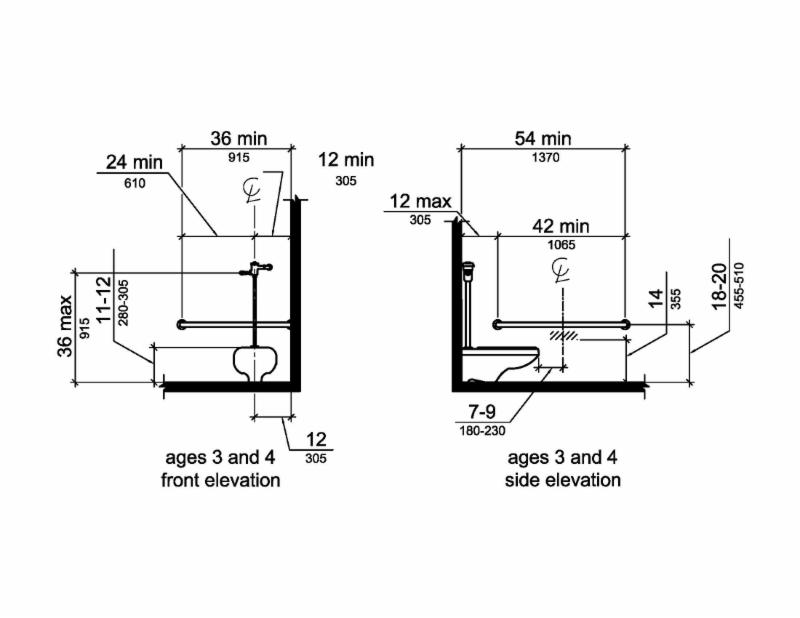
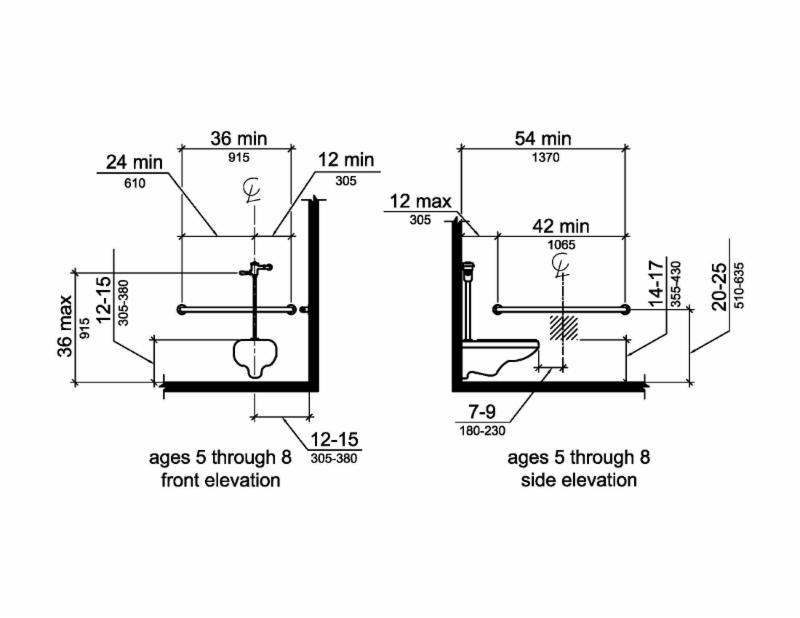
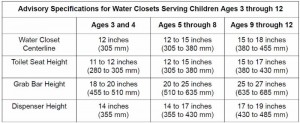
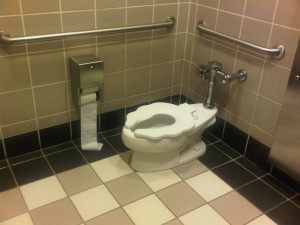
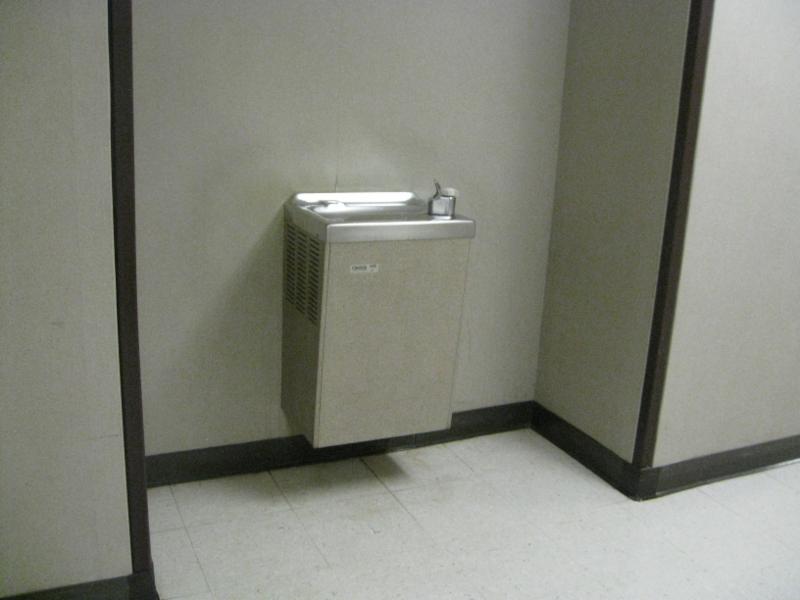
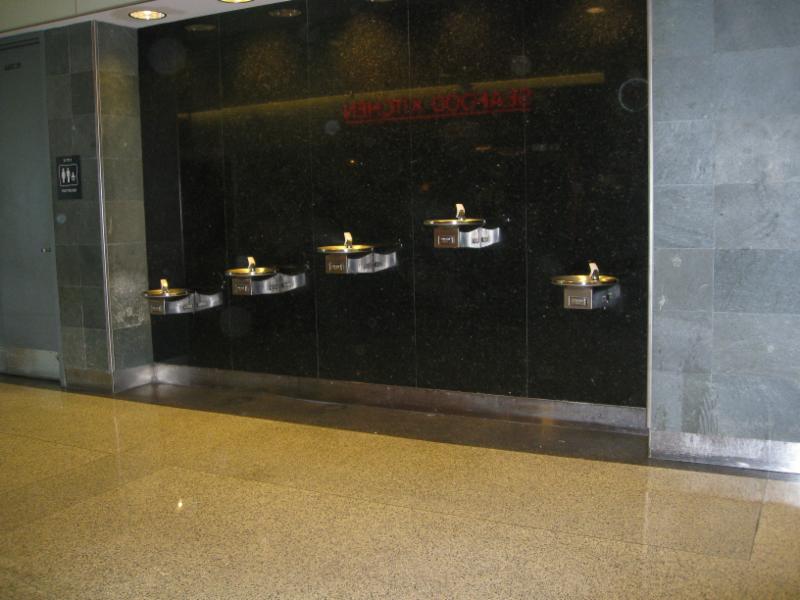
Friday, April 1st, 2016the 2010 ADA Standards for Accessible Design now requires that elements like toilets and drinking fountains be designed for children with disabilities. The requirements are not easy to find, and some of the requirements either don’t make sense or they are confusing to understand. This newsletter will address some of the requirements and will shed some light on the confusing standards.
604.9 Toilets and Toilet compartments

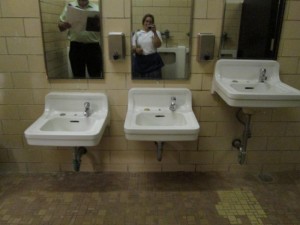
606 Lavatories and Sinks
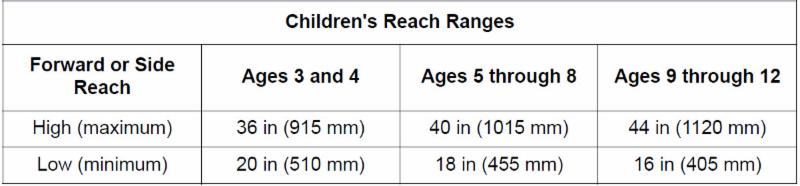
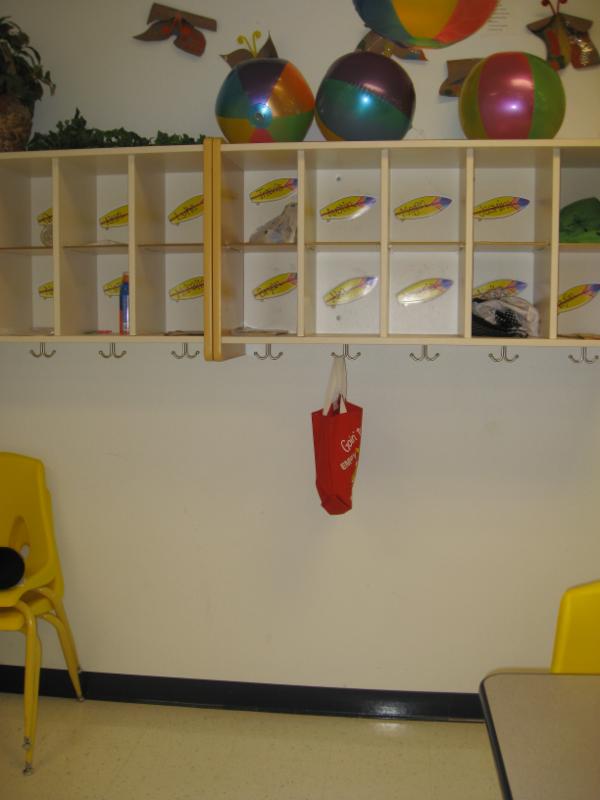
Reach Ranges
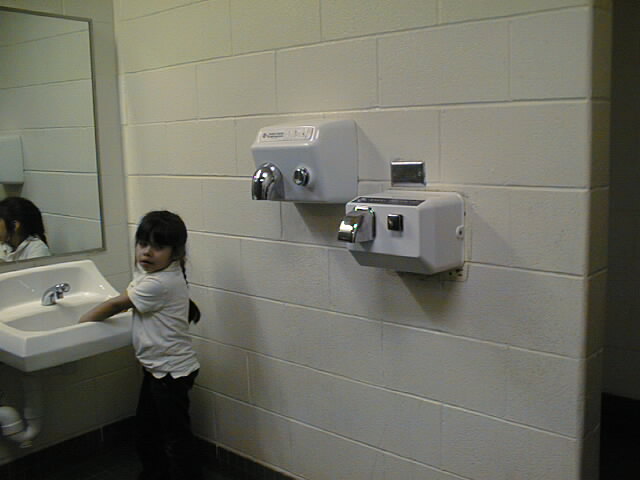
602 Drinking Fountain
Need CEUs

If you have any questions about these or any other topics, please feel free to contact me anytime.
Marcela Abadi Rhoads, RAS #240
Abadi Accessibility
214. 403.8714
marhoads@abadiaccess.com
www.abadiaccess.com
Accessible Playgrounds
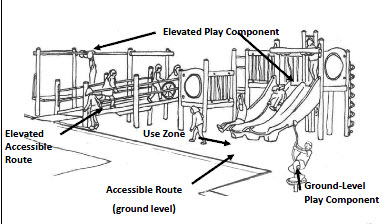
Tuesday, March 1st, 2016- Ground level play components: A playground equipment that is accessed from the grounds. Some examples of ground level play components are spring rockers, swings and diggers
- Elevated play components: A playground equipment that is accessed above the grounds. Some examples of elevated play components are slides and monkey bars.
- the accessible route: An uninterrupted path of travel that connects the entry and exit of play components. A 60″ wide accessible route must be provided. The running slope should be no steeper than 1:16 and the cross slope no steeper than 1:48.
- Use zones: The ground level area beneath and immediately adjacent to a play structure or play equipment that is used for circulation around the play equipment and where it is predicted that a user would land when falling from or exiting the play equipment.
Play components
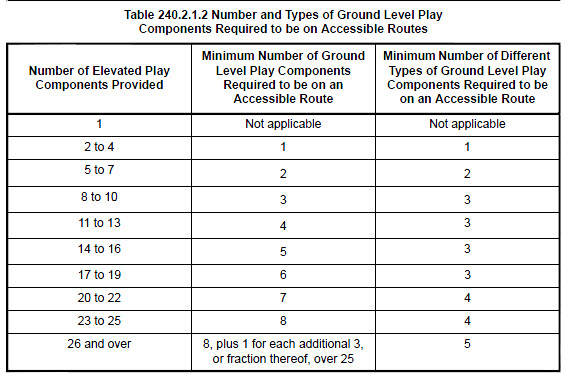
The number of play components that must be on an accessible route is determined by how many “elevated components” are provided. There is a table in the ADA that we use to determine that number. But a minimum of one of each type of ground level component should be provided.

This table sand box is considered a ground level play component and will require knee and toe clearances for children with wheelchairs to have access
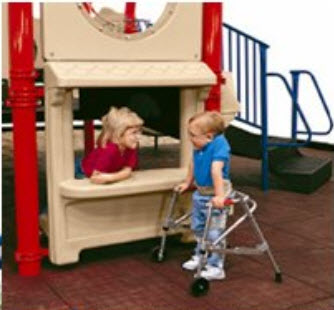
Activity Centers are an example of ground level play component. An accessible route should be provided at the entry and exit. In addition a turning space inside the component and elements within children’s reach ranges should also be provided
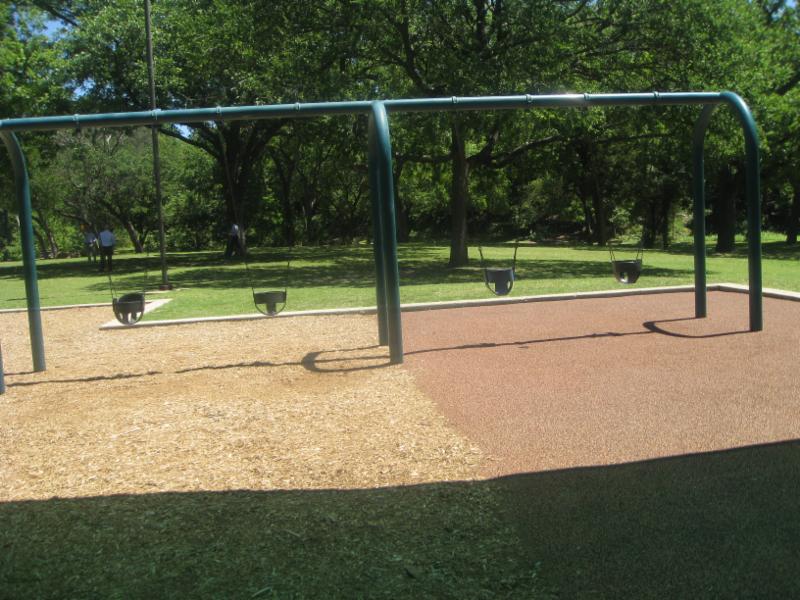
Swing sets are also ground level play components. This picture shows a ground surface that is more stable, but wood chips are also acceptable.
For elevated play components 50% must have either a ramp or a transfer system to access them and be on an accessible route. Ramp runs should have a running slope no steeper than 1:16 and the rise of any ramp shall be no more than 12″ and, where required, handrails must also be provided. Handrails at these ramps do not require an extension at the top and bottom.
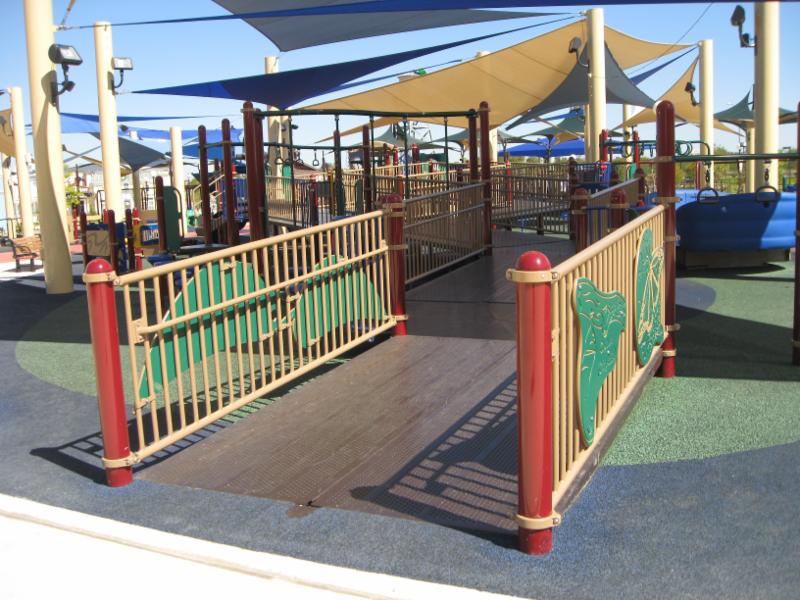
This ramp connects elevated play components. The handrail provided must be between 20″-28″ a.f.f.
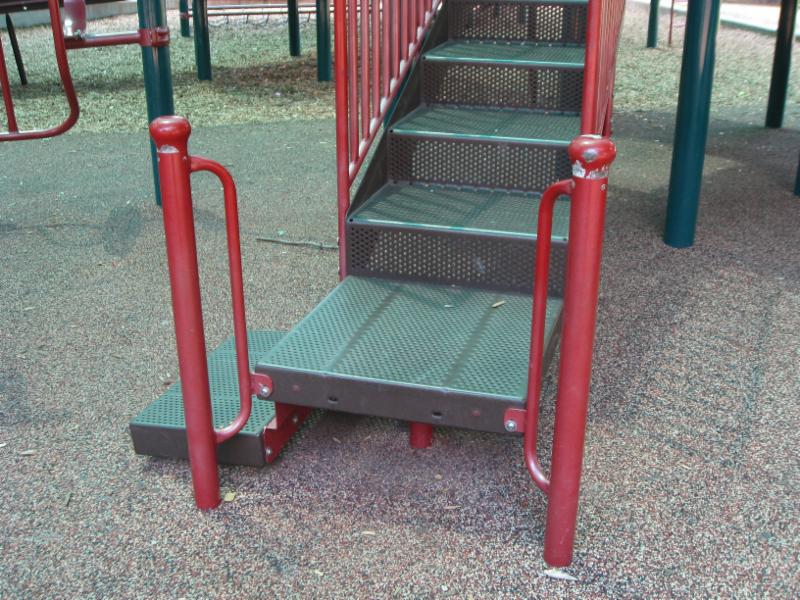
This photo shows both a platform on one side and a transfer step on the other
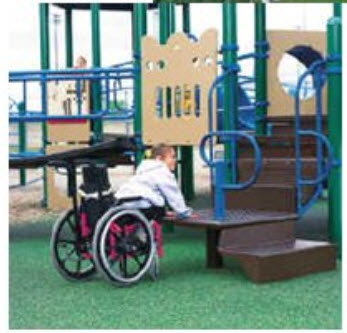
A transfer platform should be between 11″-18″ a.f.f. and should have a clear floor space that is 48″ long centered on the platform
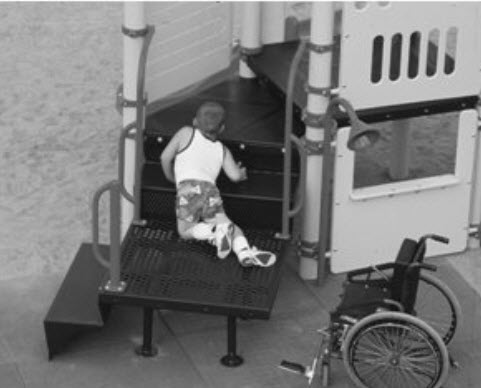
Children with mobility issues will use their upper body to climb the steps once they reach the platform
Besides the accessible route and play components, use zones must be provided adjacent or below the playground equipment. They should have a ground surface that complies with ASTM F1292 (1999 or 2004 edition).
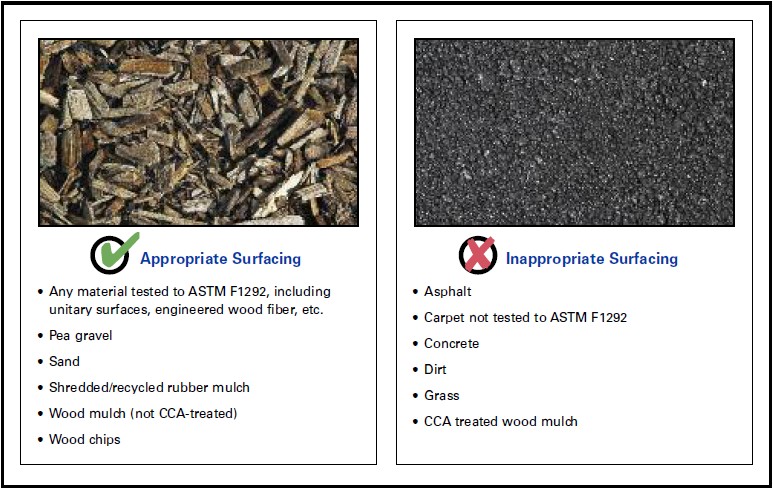
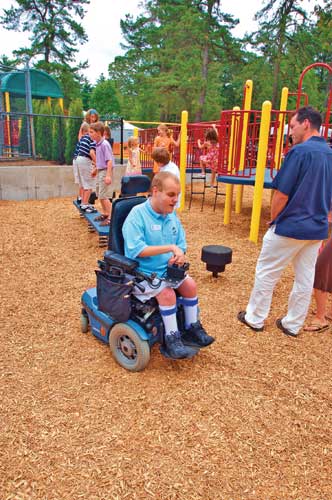
This playground shows the ground surface that complies with ASTM 1292
Interior play areas and soft contained play structures
The play structures and play areas that are located in restaurants and shopping centers must also be accessible. Accessible routes connecting the different play components must be provided. A transfer system is the most common means of access.
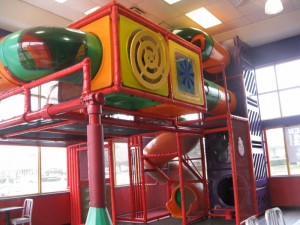
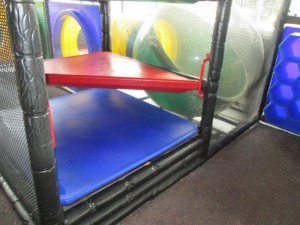
This play structure does not have the required transfer system. A child with disabilities would not be able to enter the structure.
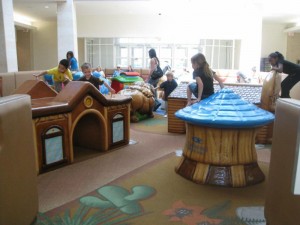
The play components in this play area are considered ground level components and only require an accessible route to the entrance and exit of the component. If there are any operable elements, they should be within reach range.
Need CEUs
If you have any questions about these or any other topics, please feel free to contact me anytime.
Marcela Abadi Rhoads, RAS #240
Abadi Accessibility
214. 403.8714
marhoads@abadiaccess.com
www.abadiaccess.com
Fair Housing
Monday, February 1st, 2016Which projects have to comply?
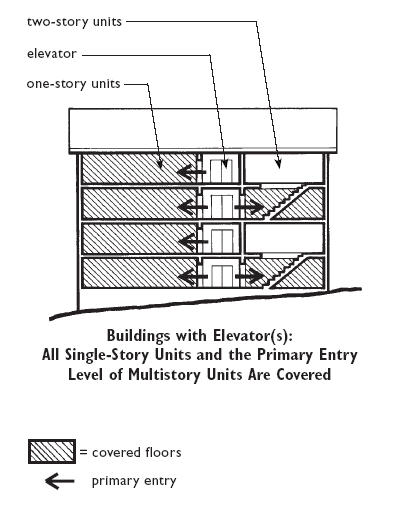
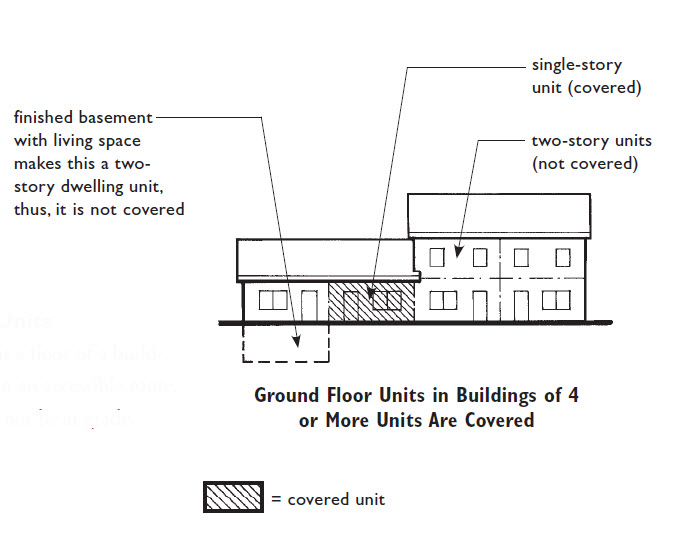
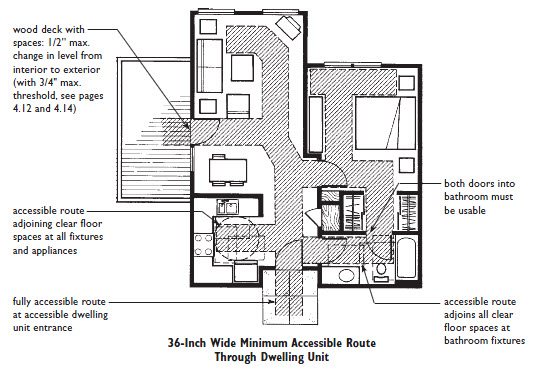
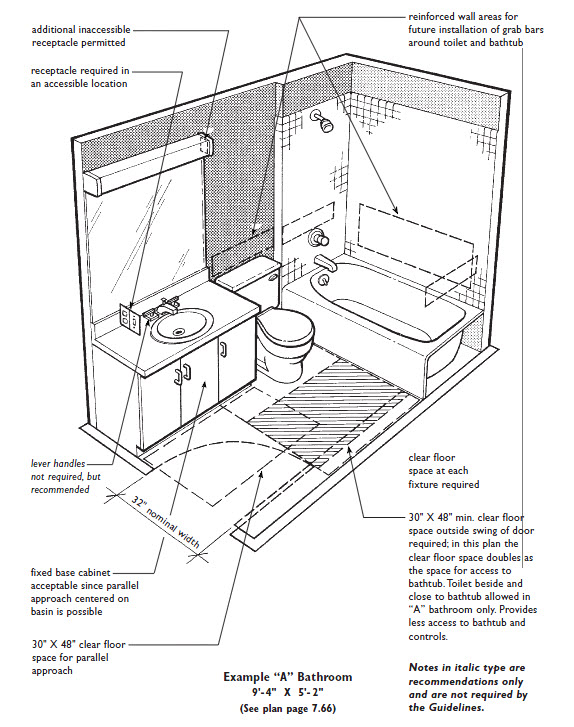
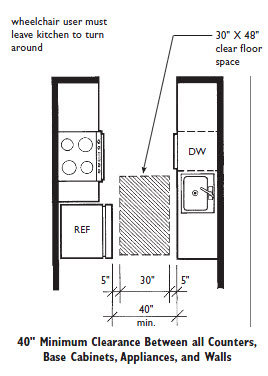
Seven Requirements
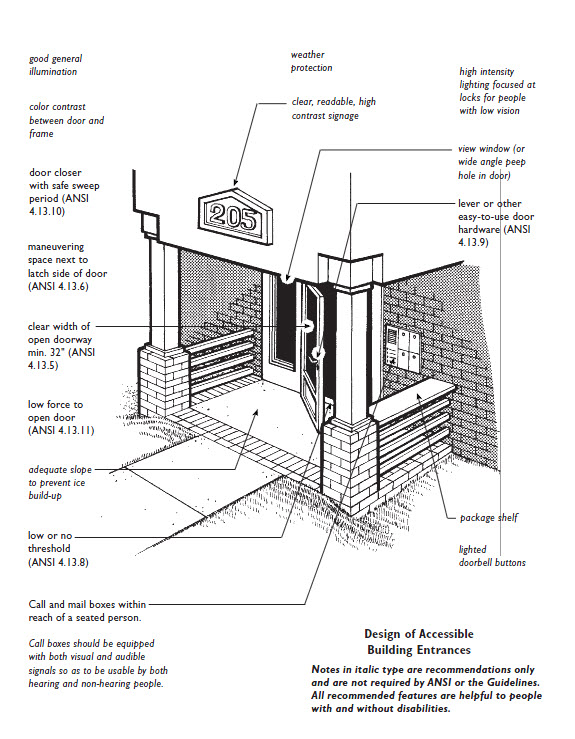

wide to allow passage by persons in wheelchairs.
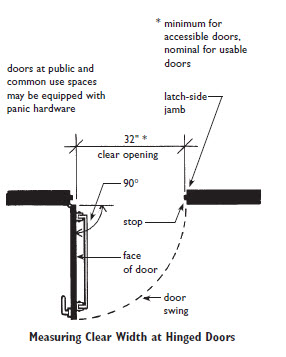
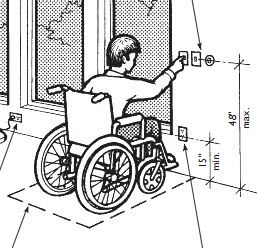
Controls in Accessible Locations:
Inspector’s Corner
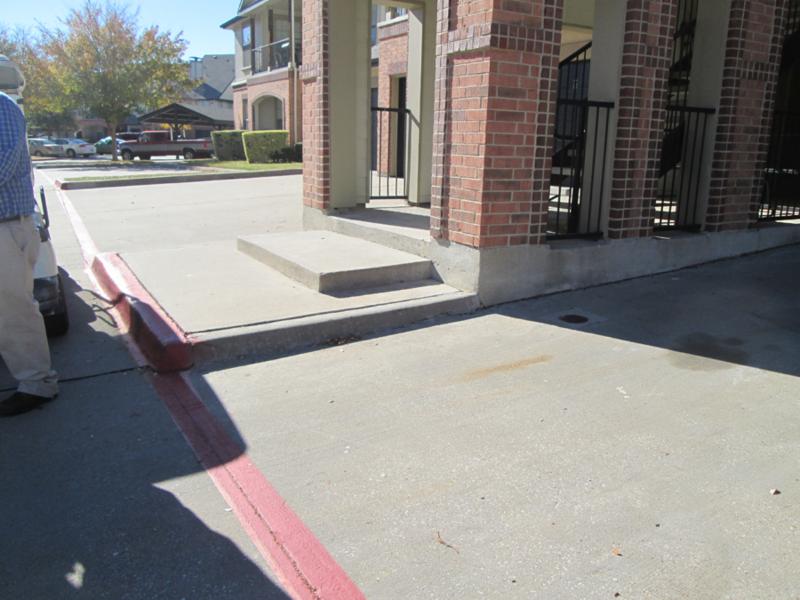
Requirement 1 of the Fair Housing Act states that an accessible entrance is required to the dwelling units. This photo shows three steps up to the stoop which leads to the entrance, and no ramp or lift to get them to the stoop. This unit does not meet the requirement.
Need CEUs
If you have any questions about these or any other topics, please feel free to contact me anytime.
Marcela Abadi Rhoads, RAS #240
Abadi Accessibility
214. 403.8714
marhoads@abadiaccess.com
www.abadiaccess.com
ANSI vs. ADA
Monday, January 4th, 2016What is ANSI?
Some Differences between ADA Design Guidelines and ANSI A117.1


Inspector’s Corner
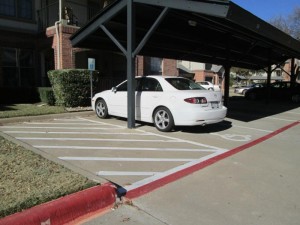
While doing an ANSI inspection at a multi-family housing project, I noticed the accessible parking space for one of the residential dwelling units. It was a covered parking space, but they forgot to also cover the access aisle. The post that is supporting the roof for the covered parking is in the way of the access aisle. A driver will have a hard time opening their door and maneuvering onto the access aisle with this parking space
Need CEUs

If you have any questions about these or any other topics, please feel free to contact me anytime.
Marcela Abadi Rhoads, RAS #240
Abadi Accessibility
214. 403.8714
marhoads@abadiaccess.com
www.abadiaccess.com
Overlapping in Restrooms
Tuesday, December 1st, 2015Door Swings
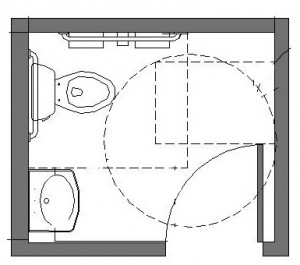
The ADA The plan of the restroom shows a door swinging into the turning space.
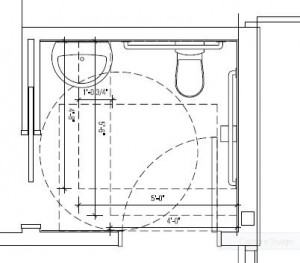
The clearance of the water closet in a compartment should be either 56″ for a wall hung or 59″ if it’s floor mounted. The door can swing out and can also swing in, but the door may not swing into that minimum clearance.
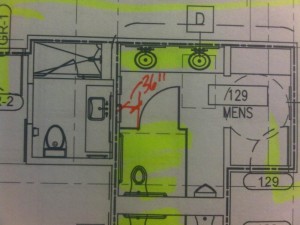
The toilet compartment door shown in the drawing above is swinging into the clearance of the lavatory. Toilet compartment doors must also meet the requirements for section 404 for maneuvering, but there is no restriction to swinging the door into the facing fixtures. That requirements is for the entry door to the toilet room.
What is allowed to overlap in a restroom?
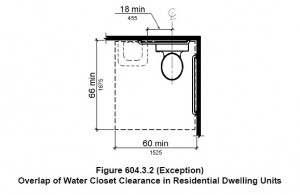
The required clearance around the water closet shall be permitted to overlap the water closet, associated grab bars, dispensers, sanitary napkin disposal units, coat hooks, shelves, accessible routes, clear floor space and clearances required at other fixtures, and the turning space.
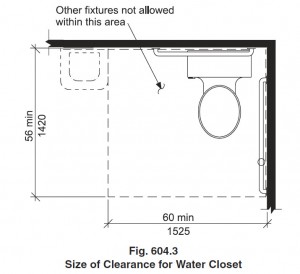
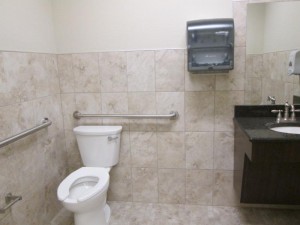
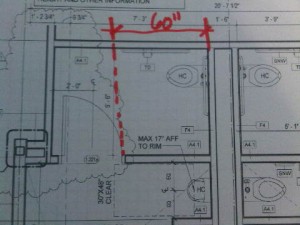
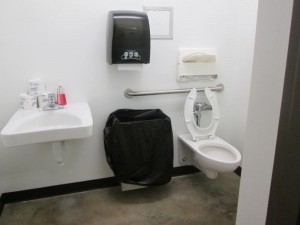
The photo above shows a floor clearance of 60″ at the water closet, but there is a paper towel dispenser that is within. That dispenser is not allowed to overlap the clearance.
Need CEUs
If you have any questions about these or any other topics, please feel free to contact me anytime.
Marcela Abadi Rhoads, RAS #240
Abadi Accessibility
214. 403.8714
marhoads@abadiaccess.com
www.abadiaccess.com
Fitness Centers
Monday, November 2nd, 2015In the 2010 ADA Standards and the 2012 TAS, certain elements that are associated with fitness centers and recreation centers were added to the requirements for accessibility. Some of these elements were exercise equipment, saunas, swimming pools, and even team player seating.
Most of the time when I am inspecting the project, the owners will inquire the reasons why their facility must be accessible since fitness centers typically for able bodied patrons. What they sometimes don’t understand is that there are different levels of ability that persons with disabilities possess. There are some very active people that use wheelchairs, walkers, crutches or canes. Just because they are in a wheelchair or may have other mobility issues does not mean that they also should not enjoy going to a rec center or fitness center.
This newsletter will explain a few of the requirements and attempt to clarify some of the misconceptions.
Exercise equipment
ADA 1004.1 Clear Floor Space. Exercise machines and equipment shall have a clear floor space complying with 305 [30″x48″ and no changes in level] positioned for transfer or for use by an individual seated in a wheelchair. Clear floor or ground spaces required at exercise machines and equipment shall be permitted to overlap.
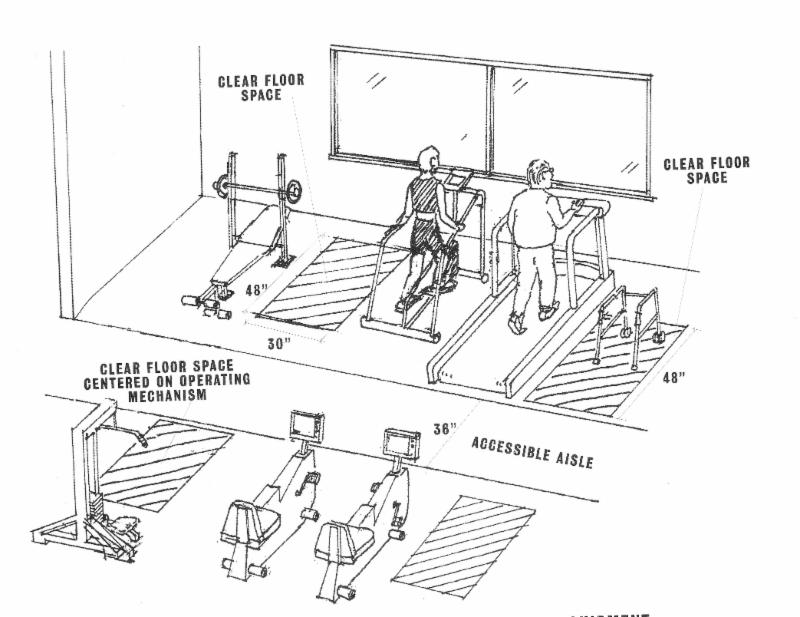
Each type of equipment must have the clear floor space next to it, but two pieces of equipment can share the space.
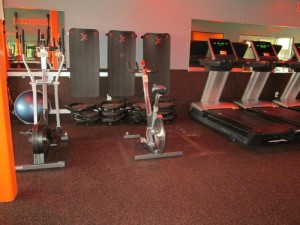
It is not necessary for the clear floor space to be located adjacent each piece of equipment. One of each type is all that is required. The photo above shows several tread mills but only one is required to have the clear floor space, and it is also being shared with the stationary bike.
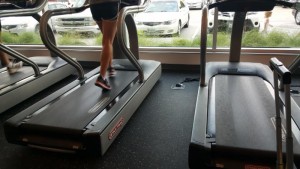
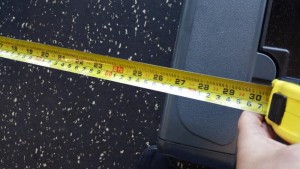
The clear floor space of this treadmill was narrower than 30″. This is a simple fix of just moving over the equipment to achieve compliance.
Amenities
Rec Centers and fitness centers typically have a reception desk where they will check people in. This is considered a “service counter” and therefore must meet the requirements for ADA Section 904. A portion of the counter must be at 36″ a.f.f. maximum and be no shorter than 36″ wide.
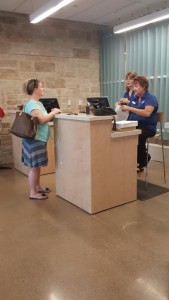
This reception counter does not have an accessible portion at the public side. The lower counter where the attendant is seated is part of the work area, and could possibly be used as the accessible counter if it was 36″ long.
5% of lockers that are provided must have the proper hardware that does not require tight grasping and twisting of the wrist to operate. In addition, those accessible lockers must be within reach range.
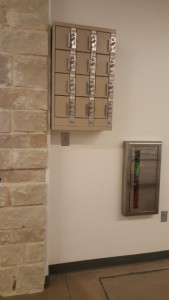
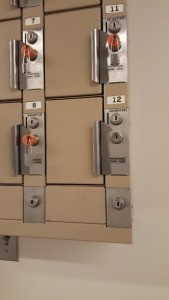
This locker is mounted higher than the required 48″ a.f.f. and the operable part (the key) is the type that requires tight grasping and twisting of the wrist to open.
Fitness Centers also have locker rooms and toilet/shower rooms that are provided. The locker rooms must have accessible lockers (within reach range and type of operation) as well as an accessible bench per section 903

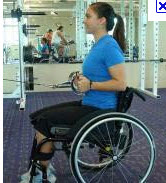
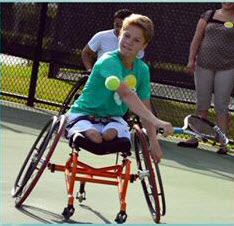
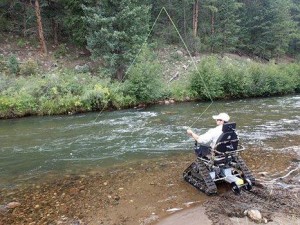
No Limits!


Upcoming Continuing Education Opportunities
November 5 and 6: “Texas Accessibility Standards: A Success story of inclusion for over 20 years” TxA convention in Dallas, Texas
November 17th: “Applying the ADA on Existing and Altered Buildings” provided by Green CE
On Demand Webinar: “Understanding the 2010 ADA Standards for Accessible Design”
If you are interested in Building Code seminars check out my colleague Shahla Layendecker with SSTL Codes
If you want to learn more about these standards, be sure to check out my books:
“The ADA Companion Guide” “Applying the ADA” published by Wiley.
They are available for sale now. (also available as an e-book)
If you have any questions about these or any other topics, please feel free to contact me anytime.
Marcela Abadi Rhoads, RAS #240
Abadi Accessibility
214. 403.8714
marhoads@abadiaccess.com



Benches
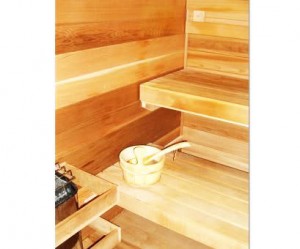
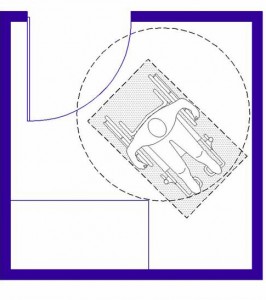
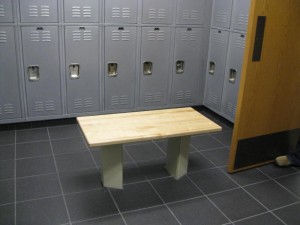
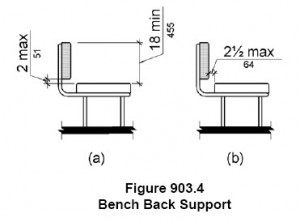
Wednesday, October 7th, 2015The ADA Standards has requirements for fixed benches. According to Section 903 they must have a back support, be 42″ long, between 20″-24″ deep, between 17″-19″ high and have a 30″x48″ space next to the short axis of the bench.
Pop Quiz:
Benches that comply with ADA and TAS section 903 are required in the following spaces:
a) outdoor courtyards
b) shower rooms
c) bus stops
d) if you said a, b or c please read this newsletter
Where are benches required?
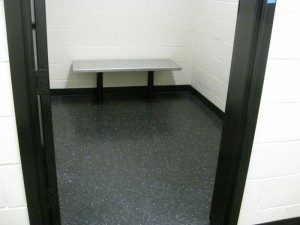
Fixed bench seating at assembly areas


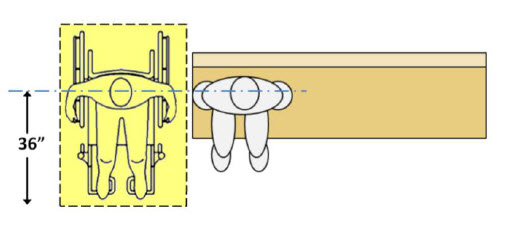
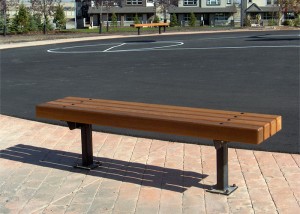
Other benches
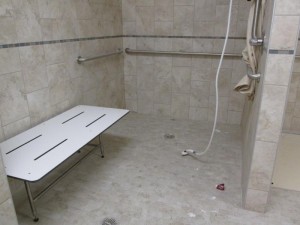
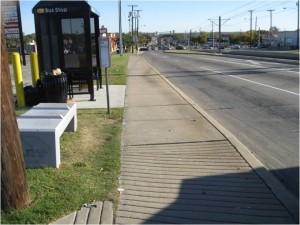
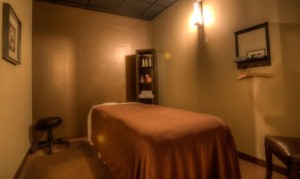
TDLR has a Technical Memo that explains this fact.
Upcoming Continuing Education Opportunities
November 5 and 6: “Texas Accessibility Standards: A Success story of inclusion for over 20 years” TSA convention in Dallas, Texas (pricing for the convention go up on September 2nd)
November 17th: “Applying the ADA on Existing and Altered Buildings” provided by Green CE
On Demand Webinar: “Understanding the 2010 ADA Standards for Accessible Design”
If you are interested in Building Code seminars check out my colleague Shahla Layendecker with SSTL Codes
If you want to learn more about these standards, be sure to check out my books:
“The ADA Companion Guide” “Applying the ADA” published by Wiley.
They are available for sale now. (also available as an e-book)
If you have any questions about these or any other topics, please feel free to contact me anytime.
Marcela Abadi Rhoads, RAS #240
Abadi Accessibility
214. 403.8714
marhoads@abadiaccess.com
www.abadiaccess.com
Public Right of Way
Tuesday, September 1st, 2015The ADA and TAS have requirements for building entrances. The building code also has requirements for means of egress. Both ADA and the building code connect entrances and means of egress to either a public way or a public street. This newsletter will explain the difference between a public way and a public street and will give examples of how these can be applied to our accessible designs.
Definition of Public Way
But what does that mean? My very smart client Josh Williams from D2 Architecture pointed out to me that “other parcel of land” could be a parking lot that is located within the property line as long as it is open to the outside air and connected to a public street. A parking garage would not meet that definition.
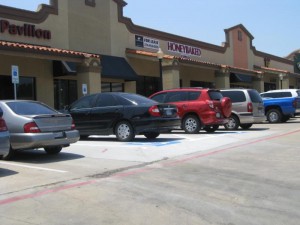
Public Way and Accessible Means of Egress

Public Way and Accessible Route


Upcoming Continuing Education Opportunities
November 5 and 6: “Texas Accessibility Standards: A Success story of inclusion for over 20 years” TSA convention in Dallas, Texas (pricing for the convention go up on September 2nd)
If you are interested in Building Code seminars check out my colleague Shahla Layendecker with SSTL Codes
If you want to learn more about these standards, be sure to check out my books:
“The ADA Companion Guide” “Applying the ADA” published by Wiley.
They are available for sale now. (also available as an e-book)
If you have any questions about these or any other topics, please feel free to contact me anytime.
Marcela Abadi Rhoads, RAS #240
Abadi Accessibility
214. 403.8714
marhoads@abadiaccess.com
www.abadiaccess.com