The U.S. Census has published finding about our disabled community on their website.
Here is what they published:
Unless otherwise indicated, all the data are from the Americans with Disabilities: 2005 report at http://www.census.gov/prod/2008pubs/p70-117.pdf.
Population Distribution
54 million
Number of people who have a disability. They represent 19 percent of the civilian noninstitutionalized population.
By age —
•5 percent of children 5 to 17 have disabilities.
•10 percent of people 18 to 64 have disabilities.
•38 percent of adults 65 and older have disabilities.
Source: 2008 American Community Survey http://factfinder.census.gov/
12.4%
Percentage of females with a disability, compared with 11.7 percent of males.
Source: 2008 American Community Survey http://factfinder.census.gov/
Using or Needing Assistance
11 million
Number of disabled people 6 and older who need personal assistance with everyday activities. These activities include such tasks as getting around inside the home, taking a bath or shower, preparing meals and performing light housework.
3.3 million
Number of people 15 and older who use a wheelchair. Another 10 million use a walking aid, such as a cane, crutches or walker.
Specific Disabilities
1.8 million
Number of people 15 and older who report being unable to see printed words.
1 million
Number of people 15 and older who reported being unable to hear conversations.
2.5 million
Number of people 15 and older who have difficulty having their speech understood. Of this number, 431,000 were unable to have their speech understood.
16.1 million
Number of people with limitations in cognitive functioning or who have a mental or emotional illness that interferes with daily activities, including those with Alzheimer’s disease and mental retardation. This group comprises 7 percent of the population 15 and older. This included 8 million with one or more problems that interfere with daily activities, such as frequently being depressed or anxious, trouble getting along with others, trouble concentrating and trouble coping with stress.
On the Job
13.3 million
Number of 16- to 64-year-olds who reported difficulty finding a job or remaining employed because of a health condition.
46%
Percentage of people 21 to 64 having some type of disability who were employed. The employment rate ranged from 75 percent of those with a nonsevere disability to 31 percent with a severe disability. For those without a disability, the employment rate is 84 percent for the same period.
59%
Percent of people 21 to 64 with difficulty hearing that were employed. The corresponding percentage for those with difficulty seeing was 41 percent.
48%
Percentage of people 21 to 64 with a nonsevere disability who work full time. This compares with 63 percent without a disability and 16 percent with a severe disability.
6%
Percentage of disabled workers 16 and older who used public transportation to commute to work. In addition, 69 percent of people with a disability drove alone, 13 percent carpooled, 4 percent walked and 3 percent used a taxicab, motorcycle, bicycle or other means.
Source: 2008 American Community Survey http://factfinder.census.gov/
21%
Percentage of disabled workers 16 and older who worked in the educational services and health care and social assistance industries.
Source: 2008 American Community Survey http://factfinder.census.gov/
Income and Poverty
$2,250
Median monthly earnings for people 21 to 64 with a nonsevere disability. This compares with $2,539 for those with no disability and $1,458 for those with a severe disability.
$2,252
Median monthly earnings for people 21 to 64 with difficulty hearing. The corresponding figure for those with difficulty seeing was $1,932.
12%
The poverty rate for people 25 to 64 with a nonsevere disability. This compares with 27 percent for those with a severe disability and 9 percent of those without a disability.
Serving Our Nation
$36.3 billion
Amount of compensation veterans received for service-connected disabilities in fiscal year 2008.
Source: Statistical Abstract of the United States: 2010, Table 511 http://www.census.gov/compendia/statab/
Accommodations
98%
Percent of transit buses that were lift- or ramp-equipped, as of 2007. This represents an increase from 62 percent in 1995.
Source: Statistical Abstract of the United States: 2010, Table 1079 http://www.census.gov/compendia/statab/
Education
28%
Percentage of people 25 and older with a disability who had less than a high school graduate education. This compares with 12 percent for those with no disability.
Source: 2008 American Community Survey http://factfinder.census.gov/
13%
Percentage of people 25 and older with a disability who had a bachelor’s degree or higher. This compares with 31 percent for those with no disability.
Source: 2008 American Community Survey http://factfinder.census.gov/
One of my clients asked me yesterday why isn’t there just one accessibility standard rather than having so many to follow….If I knew the answer to that I could probably cause Peace on earth….
But alas, since there are so many all I can do is help you to figure out which standard to use when.
ADA Standards
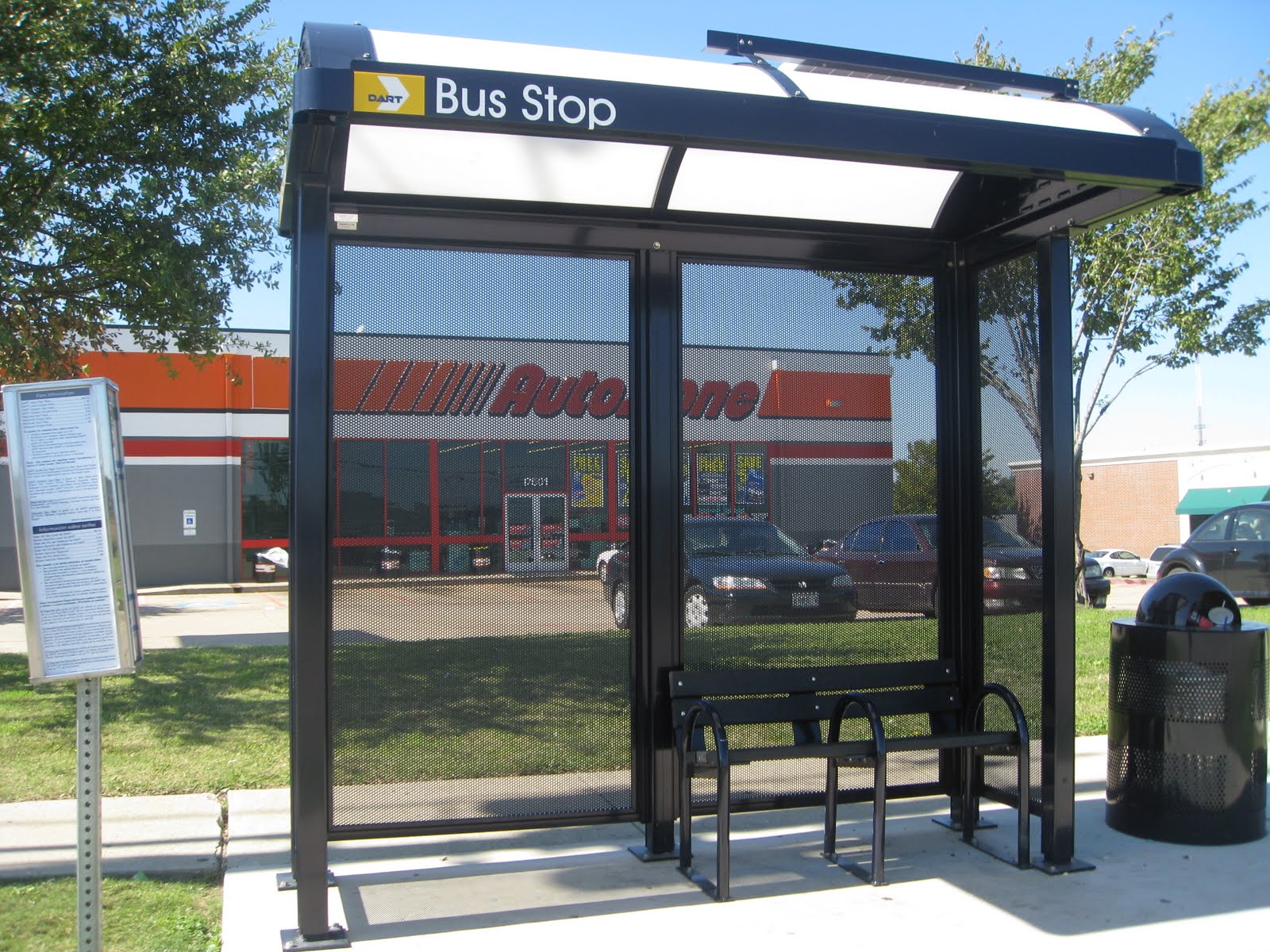
The ADA applies to facilities in the private sector (places of public accommodation and commercial facilities) and to state and local government facilities. Standards issued by the Department of Justice (DOJ) apply to all ADA facilities except transportation facilities, which are subject to standards maintained by the Department of Transportation (DOT). DOJ is in the process of adopting new ADA standards, and further information on this update is available on DOJ’s website . DOT has adopted new ADA standards which apply to bus stops, rail stations, and other transportation facilities.
For commercial facilities and places of public accommodations in the private sector use The ADAAG 1991 version
For State and Local Government Facilities (except transportation facilities) use the ADAAG 1991 version or The Uniform Federal Accessibility Standards (UFAS)
The ADA Standards for Transportation Facilities deal with Transportation Facilities
ABA Accessibility Standards
The ABA applies to federally funded facilities. The General Services Administration (GSA) updated its ABA standards, which apply to most facilities covered by the ABA. Similar standards have been adopted by the U.S. Postal Service (USPS) for postal facilities and by the Department of Defense for military facilities. The Department of Housing (HUD) is in the processing of updating its ABA standards, which apply to federally funded residential facilities.
For Federal Facilities (other than postal, housing, and military facilities) use the GSA’s AB Standards
For Postal Services facilities use the USPS ABA Accessibility Standards (also known as the RE-4 Standards)
For Military facilities use the Department of Defense ABA Accessibility Standards
Federally funding Housing use UFAS (but in the new standards this will be replaced by HUD’s standards)
State and Local Accessibility Standards
Even though the ADAAG is a Federal law, each State and local municipality is allowed to adopt this or any other accessibility standard also. The Access Board has a list of all the States and what Accessibility Standards they adopted
Note: A few friends on LinkedIn have sent me these corrections:
The Connecticut information listed is obsolete. The correct information is as follows:
Access Code- 2003 International Building Code Portion of the 2005 State Building Code of Connecticut- as amended on 2009 )
Washington State’s code listing on the Access Board site is obsolete as well. WA has adopted the 2006 IBC/2003 ANSI and will shift to 2009 IBC/2003 ANSI in late July.
Multi-Family housing
The Housing and Urban Development office of the Federal Government has developed the Fair Housing Act Section 504 that deals with the discrimination of people with disabilities as it pertains to their renting or owning an apartment or dwelling unit. There is a great handbook that they created that shows you graphically how to apply the Fair Housing Act Section 504
Public Rights of Way
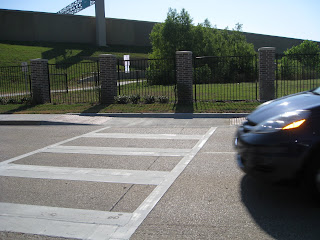
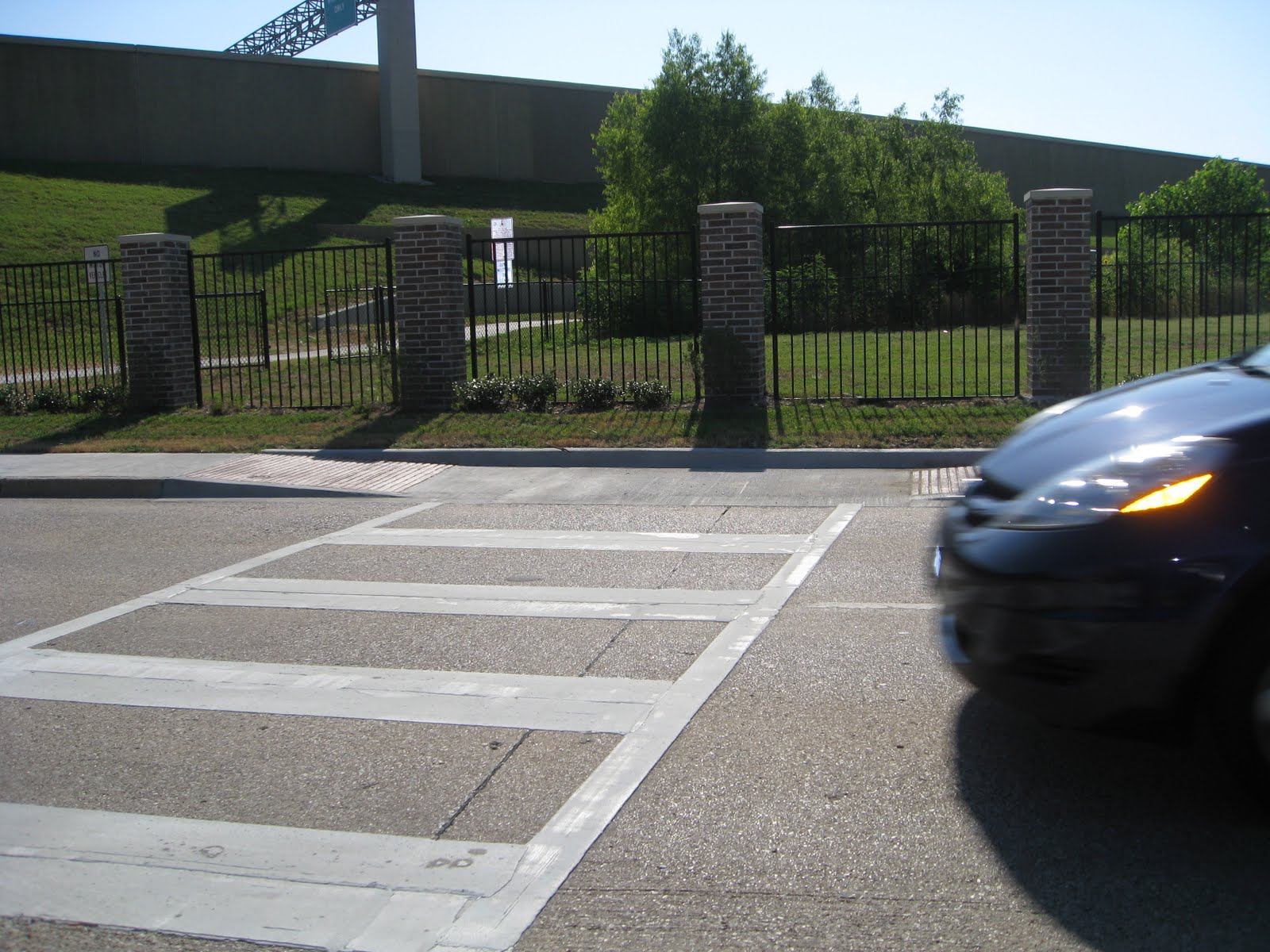
Sidewalks, street crossings, and other elements of the public rights-of-ways present unique challenges to accessibility for which specific guidance is considered essential. The Board is developing new guidelines for public rights-of-way that will address various issues, including access for blind pedestrians at street crossings, wheelchair access to on-street parking, and various constraints posed by space limitations, roadway design practices, slope, and terrain. The new guidelines will cover pedestrian access to sidewalks and streets, including crosswalks, curb ramps, street furnishings, pedestrian signals, parking, and other components of public rights-of-way. Here is the draft of those standards Public Rights-of-way
There are others that are covered by the guidelines like parks, outdoor recreation facilities, prisons and more. Check out the Access Board’s website and the ADA’s website for more information
I purchased a book two weeks ago, called Understanding the Americans with Disabilities Act, 3rd Edition by Willam D. Goren (published by the American Bar Association). I was expecting it to be about Title III (design and construction of commercial facilities and places of public accommodations). But as it turned out it was about the Civil Rights law of the ADA written by a lawyer who is deaf but with hearing aids and lip reading functions entirely in the hearing world. How interesting. He cites cases and examples on how law suits come about in the ADA arena. I was so impressed that I asked him to be a guest blogger for Abadi Accessibility News. here is what he had to say:
Title III of the Americans with Disabilities Act applies to “places of public accommodations.” A place of public accommodation can be any of 12 different categories including:
1) places of lodging;
2) establishments serving food and drink;
3) places of exhibition and entertainment;
4) places of public gathering, such as a Museum or library;
5) sales or rental establishments;
6) service establishments;
7) specified public transportation, such as terminals and depots;
8) public display or collection;
9) places of recreation (parks, etc.);
10) places of education;
11) social service center; and
12) places of exercise or recreation (athletic in nature) (42 U.S.C.A. § 12181(7)).
The list is not meant to be exclusive the rather sets forth the examples. What is interesting about title III of the Americans with Disabilities Act is that the only remedies available are injunctive relief, attorneys fees, and the court, in its discretion, can impose civil penalties.(42 U.S.C.A. § 12188; 28 C.F.R. § 36.504).
Nevertheless, there has been substantial litigation with title III of the ADA over the years. A hot issue today is whether a business that has an Internet site must have its Internet site accessible to persons with disabilities. I wrote an article in the DuPage County Bar Journal, The Brief, about it and here is the link In short, if you do have a website, you would do well to make sure that it is accessible to people with disabilities (people who use voice dictation technology, screen readers, etc.) when you investigate that, you will find that ensuring that it is accessible to people with disabilities is not going to be nearly as expensive or as hard to accomplish as you think.
William D. Goren, J. D. LL.M., is currently an Instructor and the Paralegal Program Coordinator at South Suburban College in South Holland, Illinois with a campus in Oak Forest as well, where he teaches business law, evidence, legal research and writing, and the Americans with Disabilities Act. He is also the author of the book, Understanding the Americans With Disabilities Act, now in its Third Edition, from the American Bar Association In addition to his books, he is a frequent presenter and also the author of numerous articles, most but not all of which pertain to the rights of persons with disabilities. His latest articles have appeared in the DuPage County Bar Journal (The Brief), and the Illinois State Bar Association publication, Diversity Matters. When he is not teaching, he consults (www.williamgoren.com ), including but not limited to providing expert witness services and educational programming on the Americans with Disabilities Act of 1990 as amended and the Rehabilitation Act of 1973. Mr. Goren is a licensed attorney in both Illinois and Texas. He received his B.A. from Vassar College, his J.D. from the University of San Diego, and his LL.M. in Health Law from Depaul University.
When we design schools, dressing rooms or transportation facilities that have lockers we have to think about the 5% of the lockers which have to be accessible. Not only do we have to provide room for wheel chairs, and a bench for transferring, but we also must remember to make the operating mechanism accessible. That means that we have to provide a mechanism that can be operated without tight grasping or twisting of the wrist to operate.
The following video explains this for a product (Key 1636) that provides a key large enough to act like a lever. It is very interesting!
 Abadi
Abadi 







.jpg "The ADA from a Lawyer's perspective 11")
