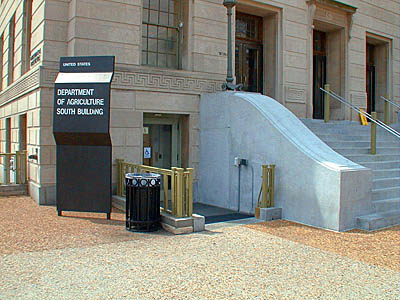
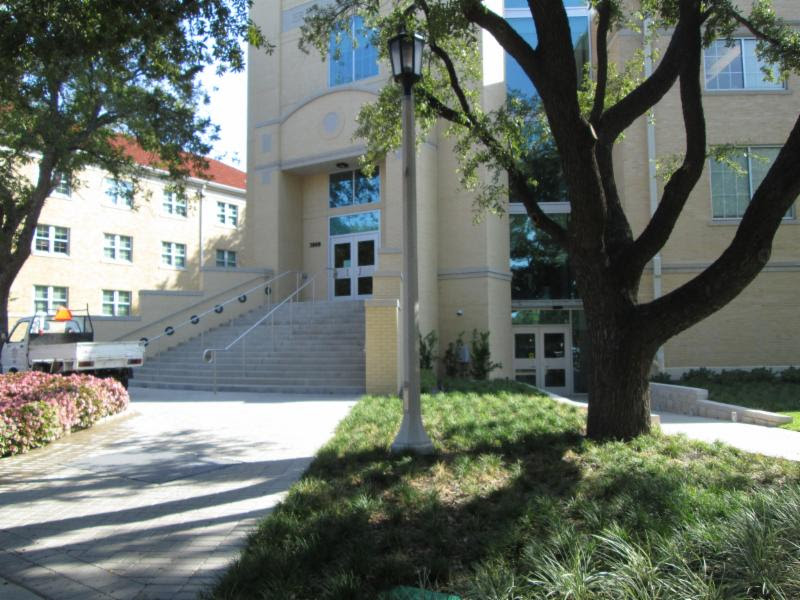
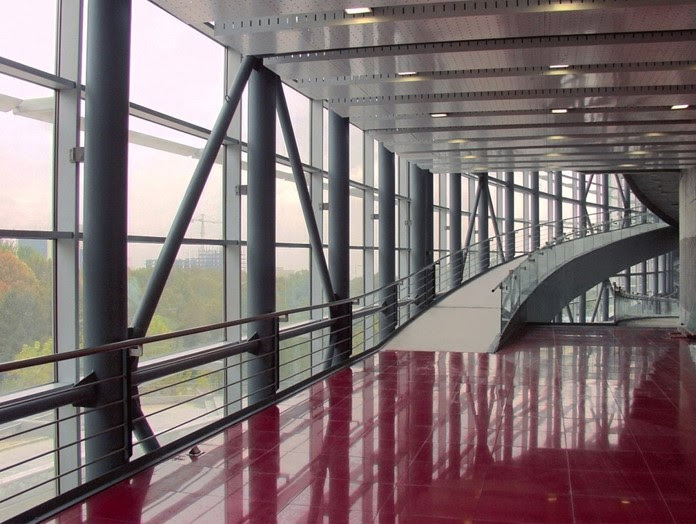
When I traveled at the end of last year, I noticed many of the places I have visited try to provide accessible elements. This newsletter will show you some of the elements I found through my travels last year. I challenge you to see what might not meet the ADA that we follow in the United States. Email me and let me know what you find wrong.
ACCESSIBLE RAMPS
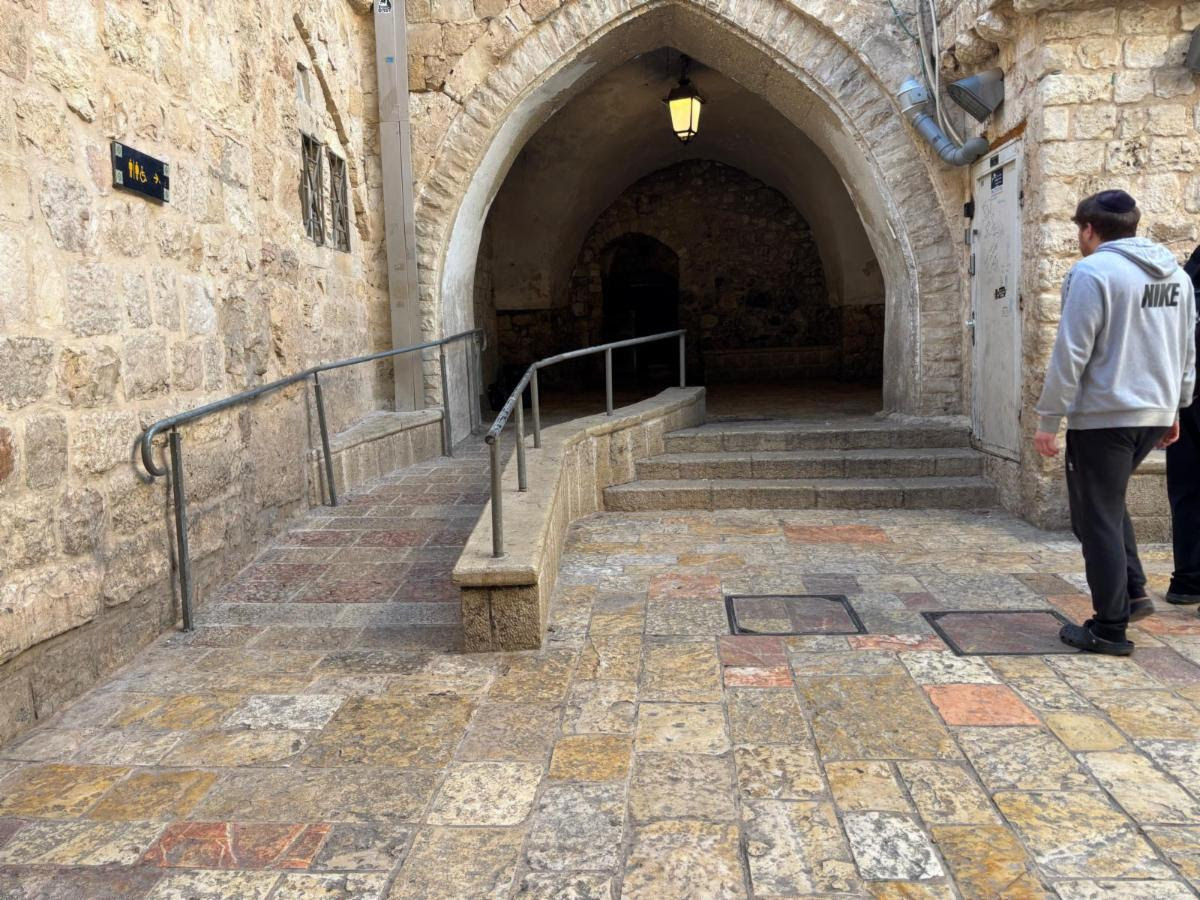
The old City of Jerusalem provided many ramps to enter spaces. And the way they incorporated similar materials, the ramp did not stand out and appeared to always been there.
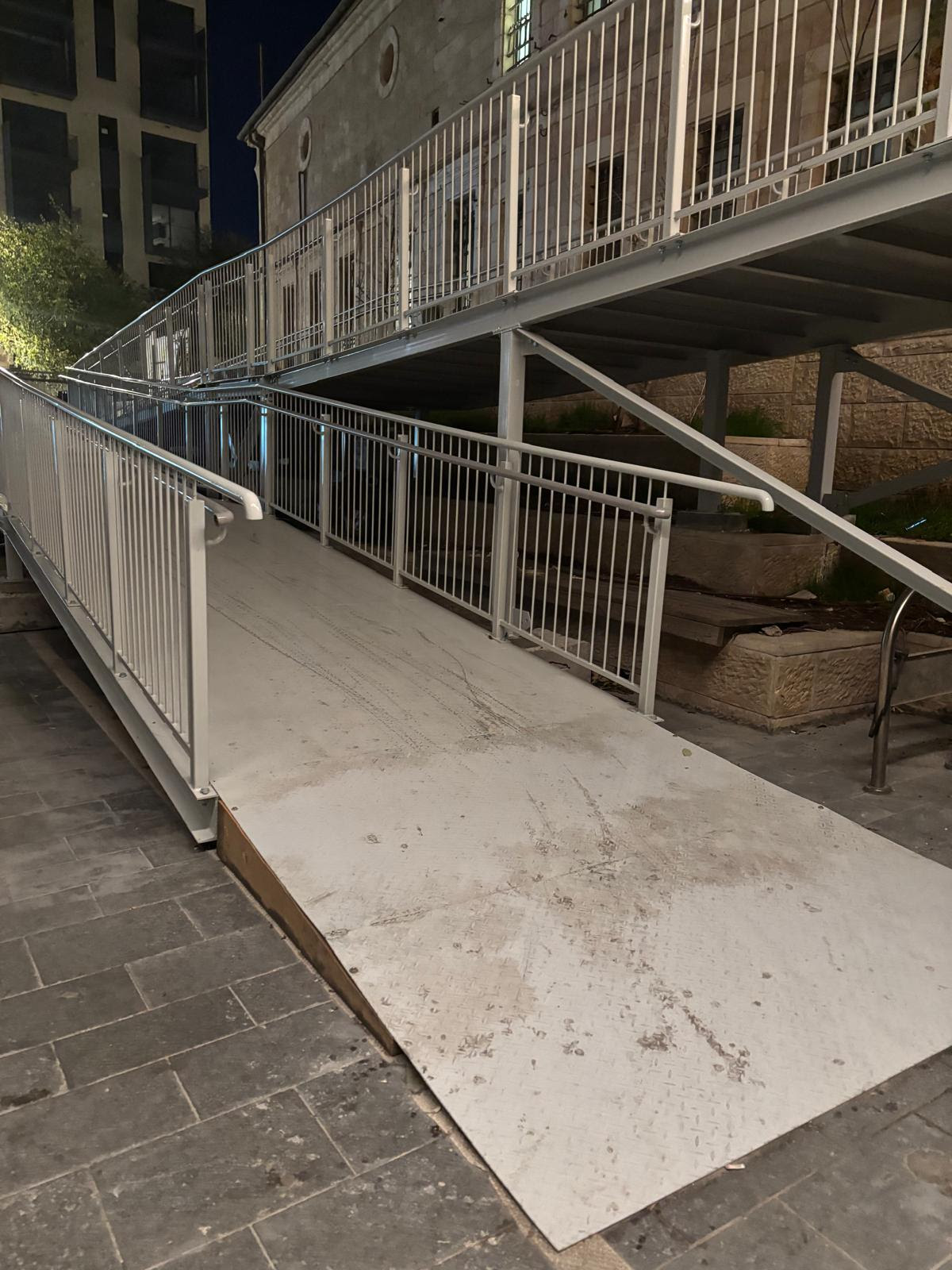
This ramp was a temporary path to the AirbNB that we stayed at when we traveled. The accessible path was under construction. The only mistake I saw was the fact that the handrails did not extend until the end of the ramp. This makes it difficult to slow down as people in wheelchairs exit the ramp
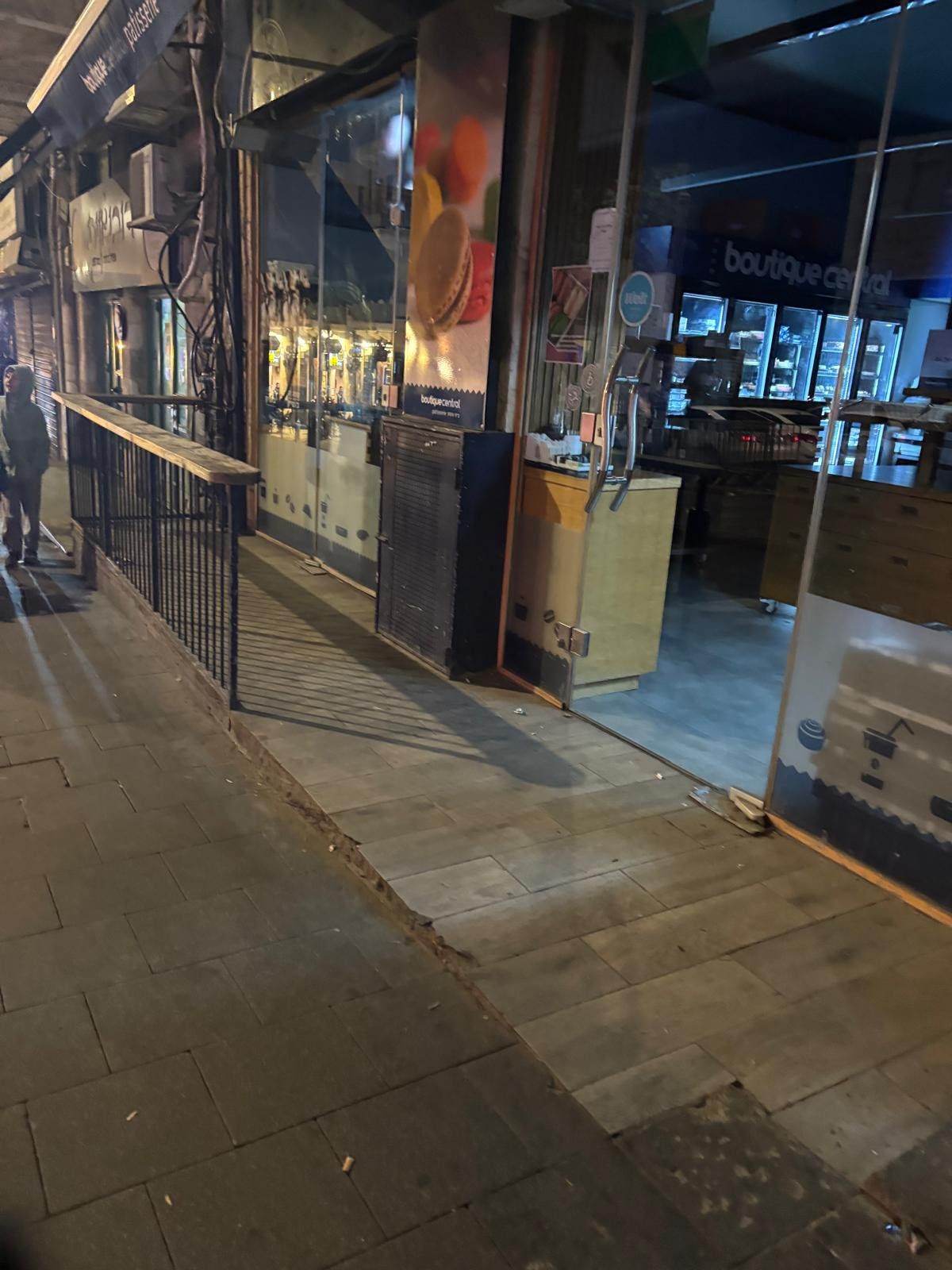
This ramp allowed entry into retail stores located along the public sidewalks
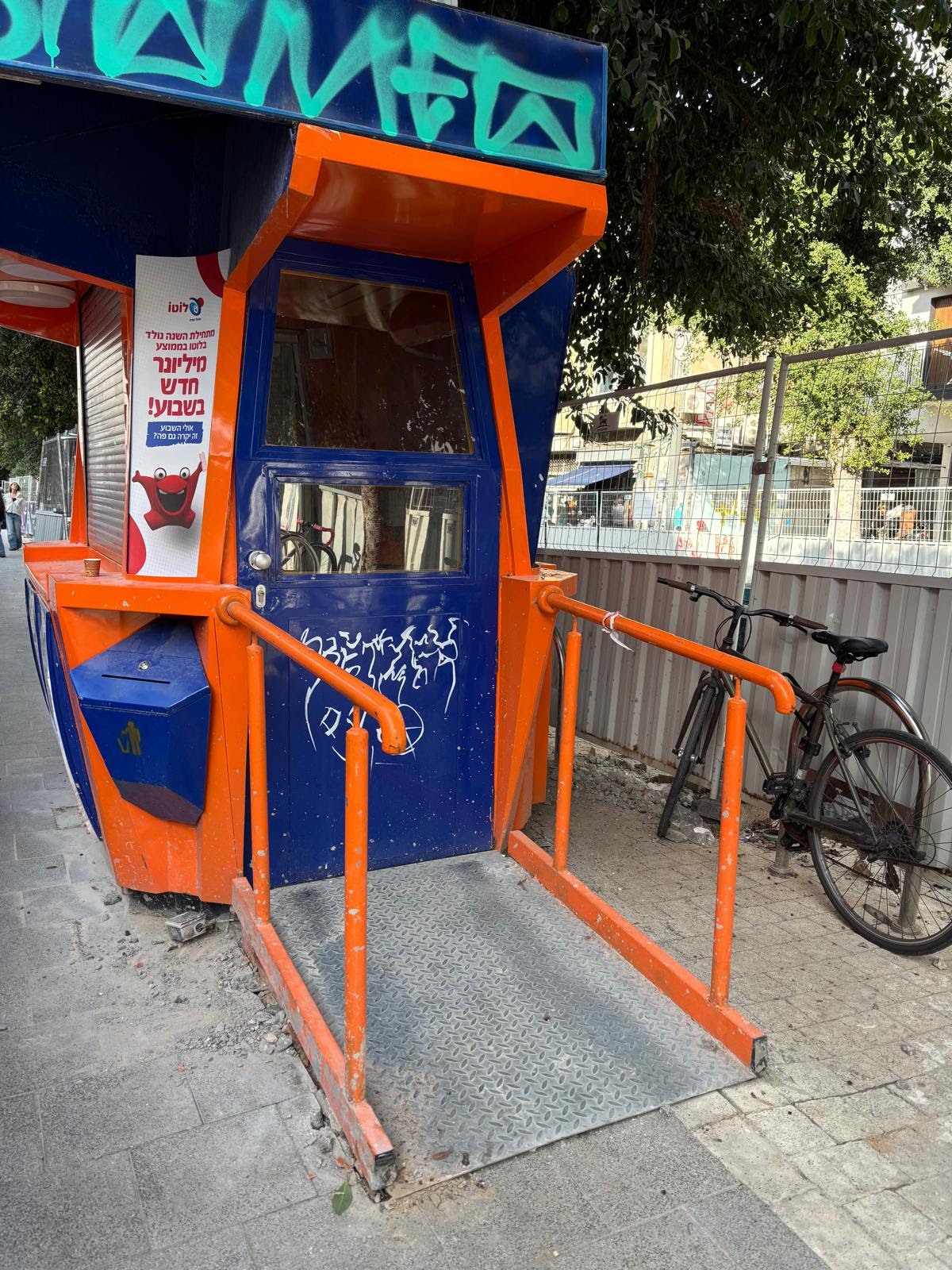
This ramp allowed entry to the employee of this kiosk
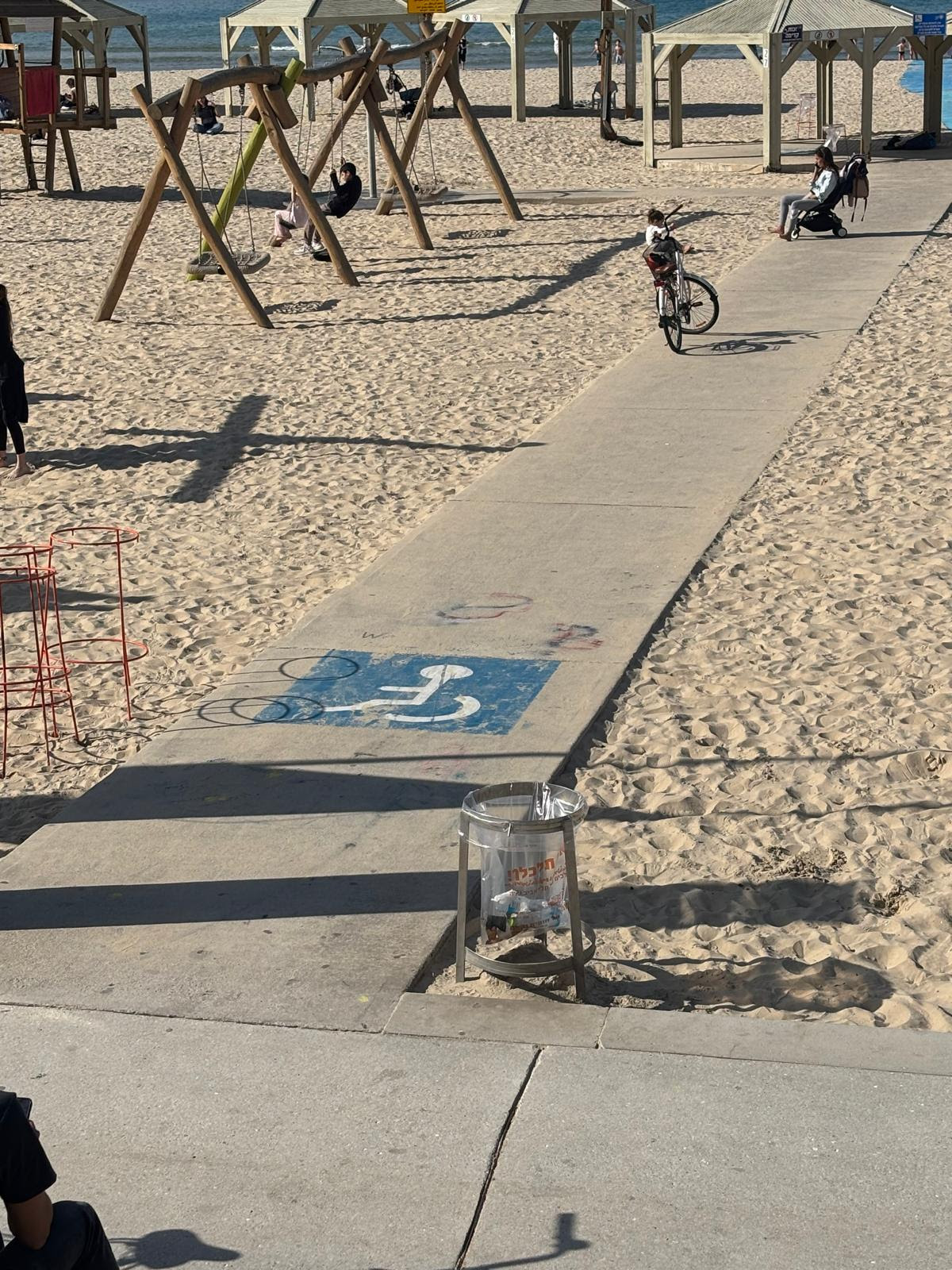
The beach front provided accessible routes to the sand and beach area
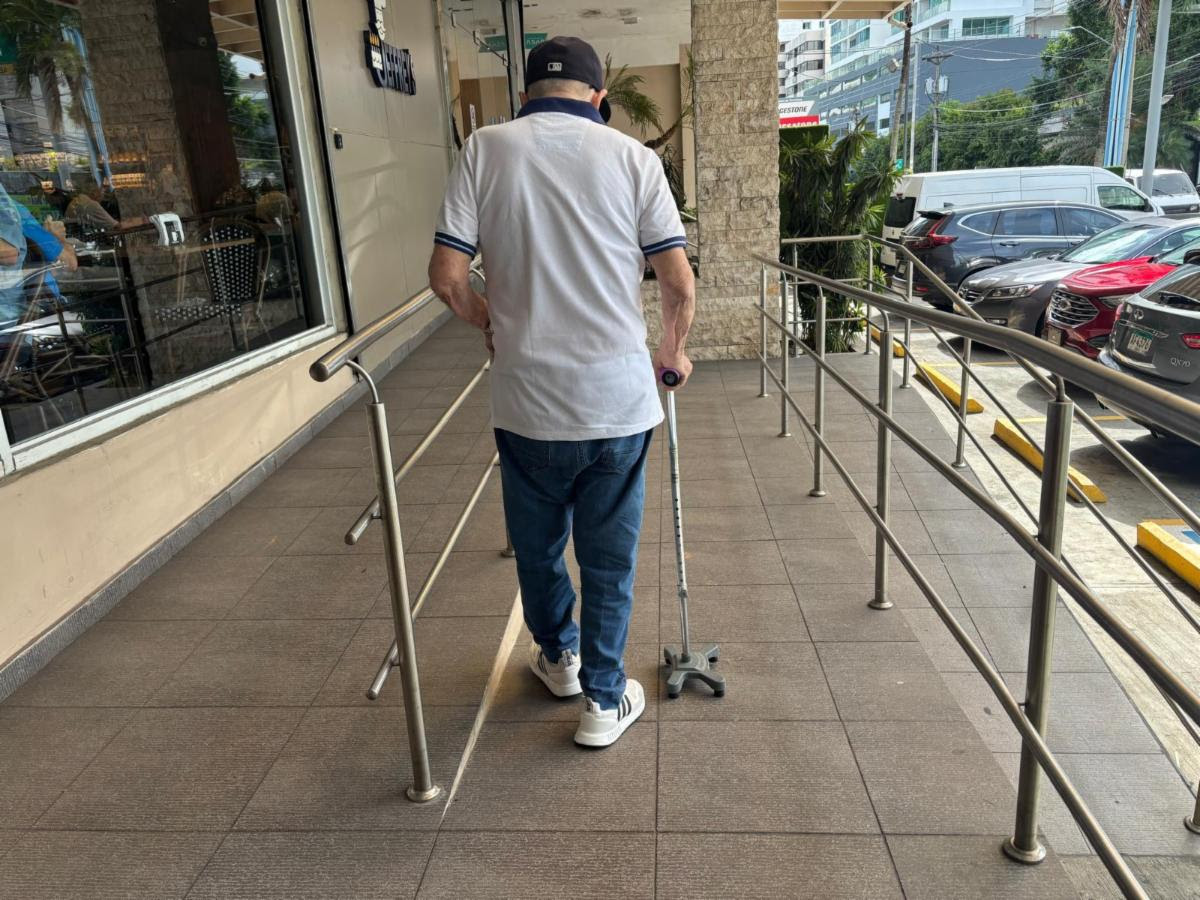
Theis is a ramp in Panama at a restaurant. It allowed people with disabilities to enjoy the restaurant that was located around 4′-0″ above the street/parking level
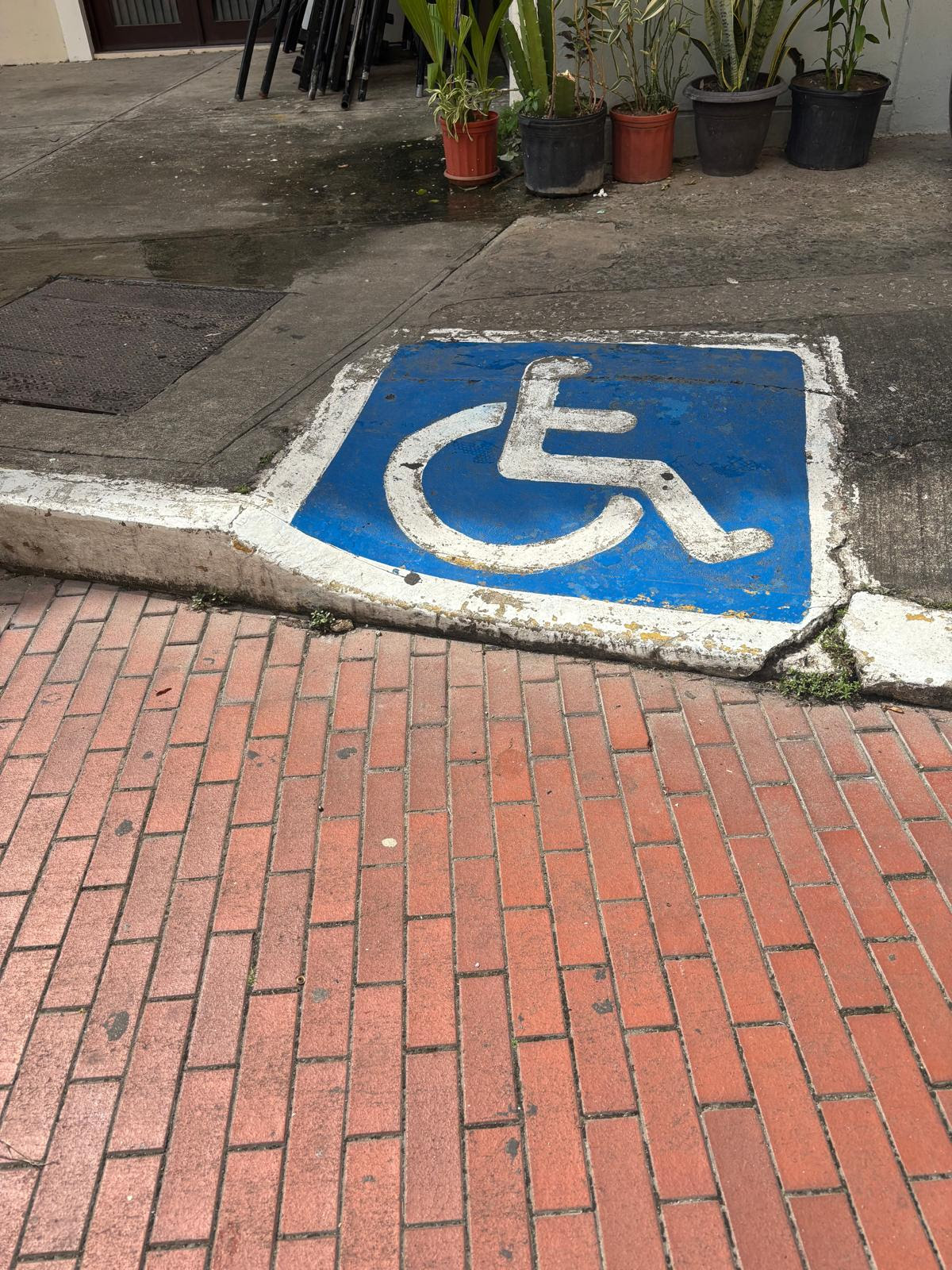
The curb ramp was located in the Old Part of Panama called Casco Viejo. It was a good attempt, although the change in level at the bottom of the ramp was higher than 1/4″ and makes it difficult for a person in a wheelchair to use it without assistance.
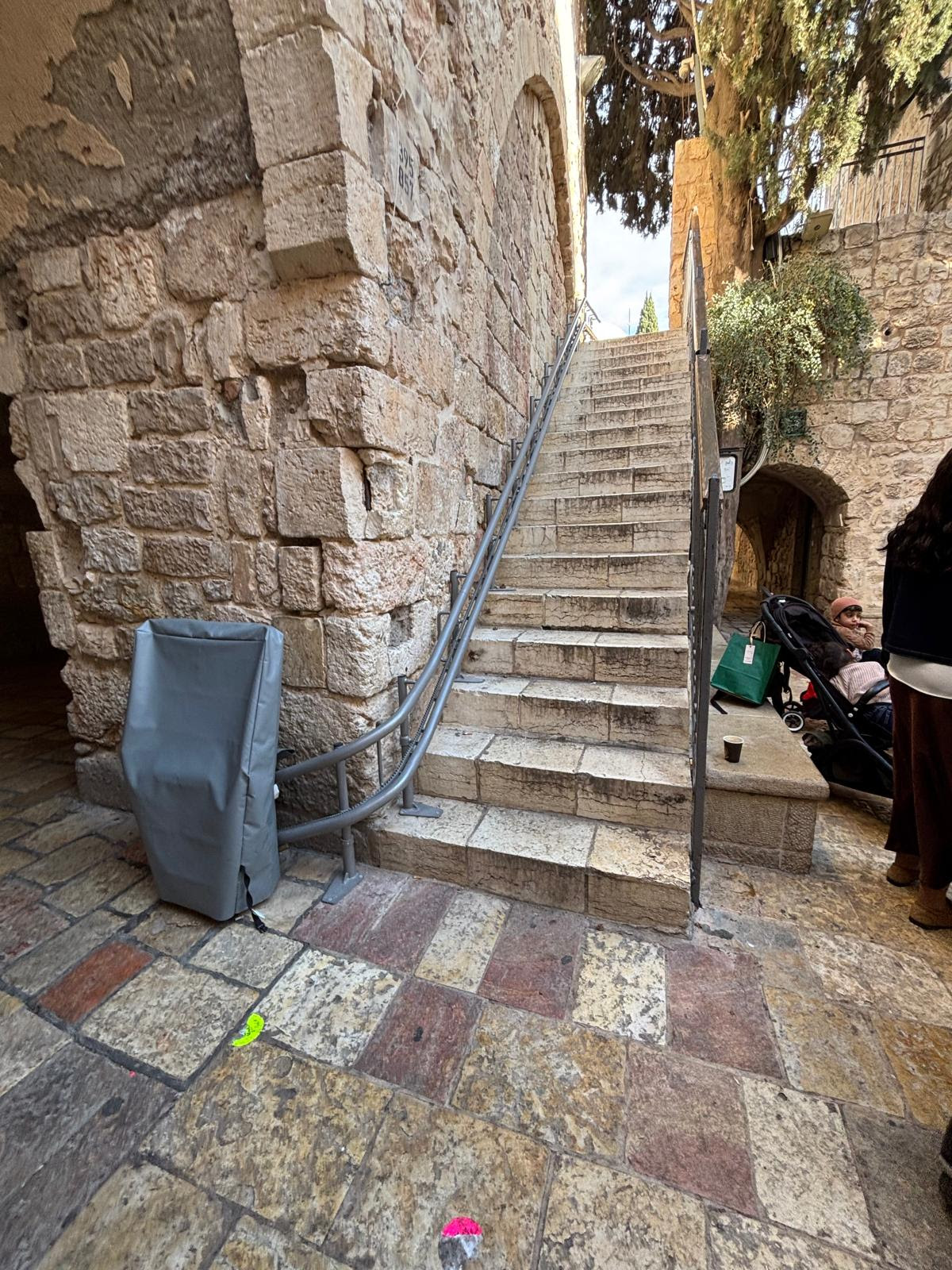
This is a chair lift located in Jerusalem, Israel that leads to a roof terrace to view the Old City. This is not allowed in certain States in the United States. Here in Texas, chair lifts cannot be part of an accessible route.
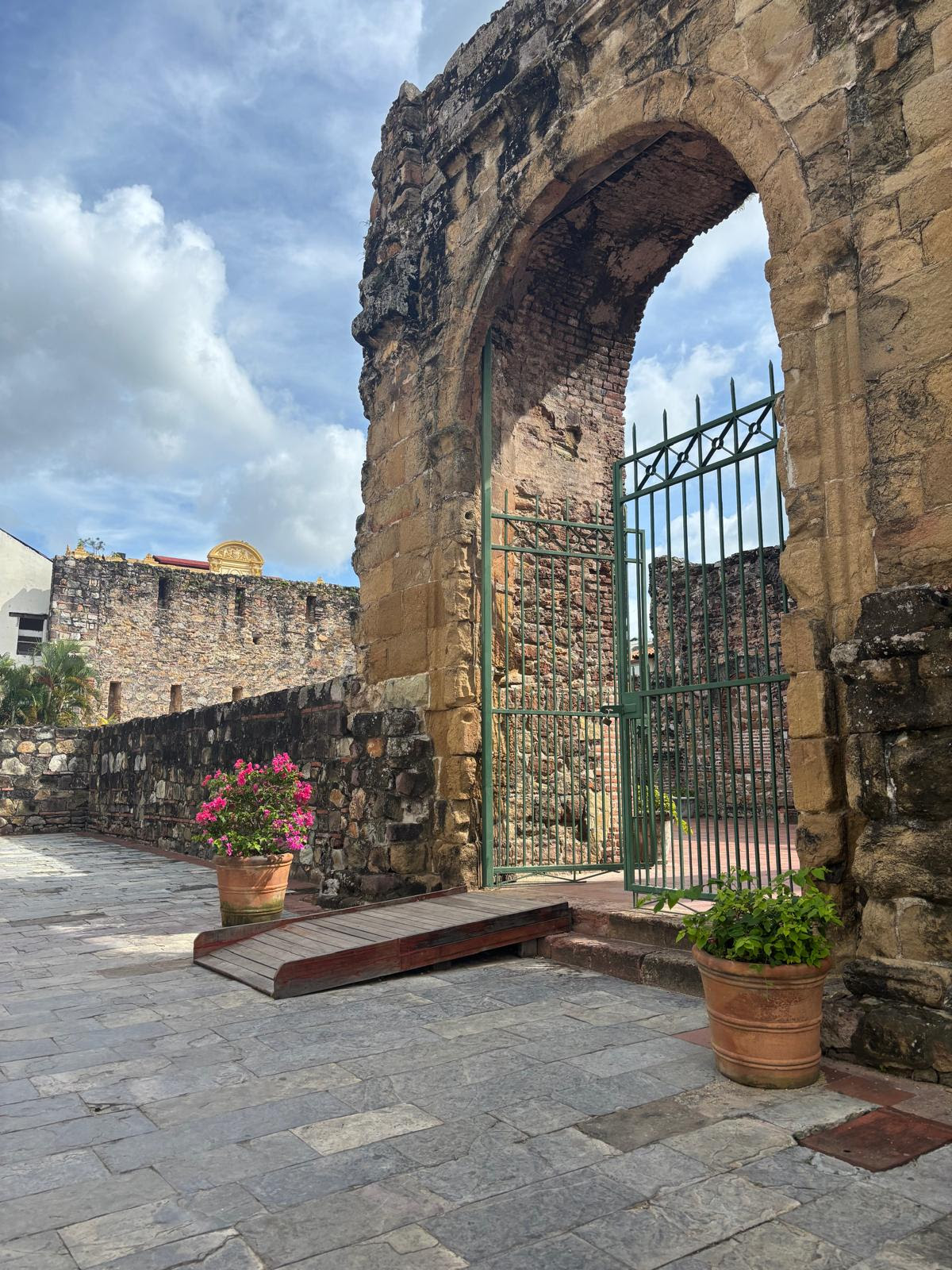
This is ramp in Casco Viejo in Panama City. It provides access into a historic courtyard of a church.
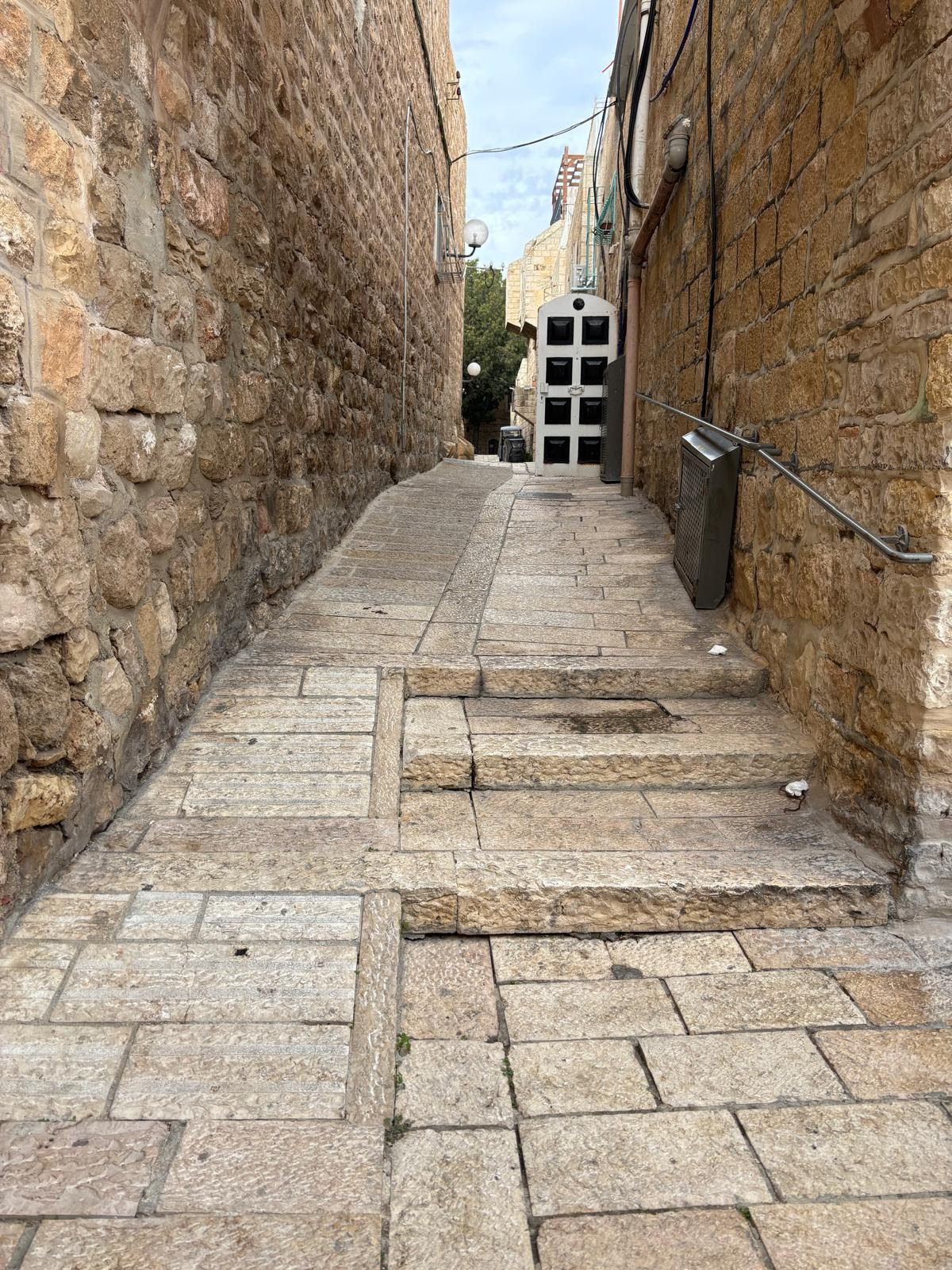
This is one of many accessible routes that we encountered while visiting Israel.
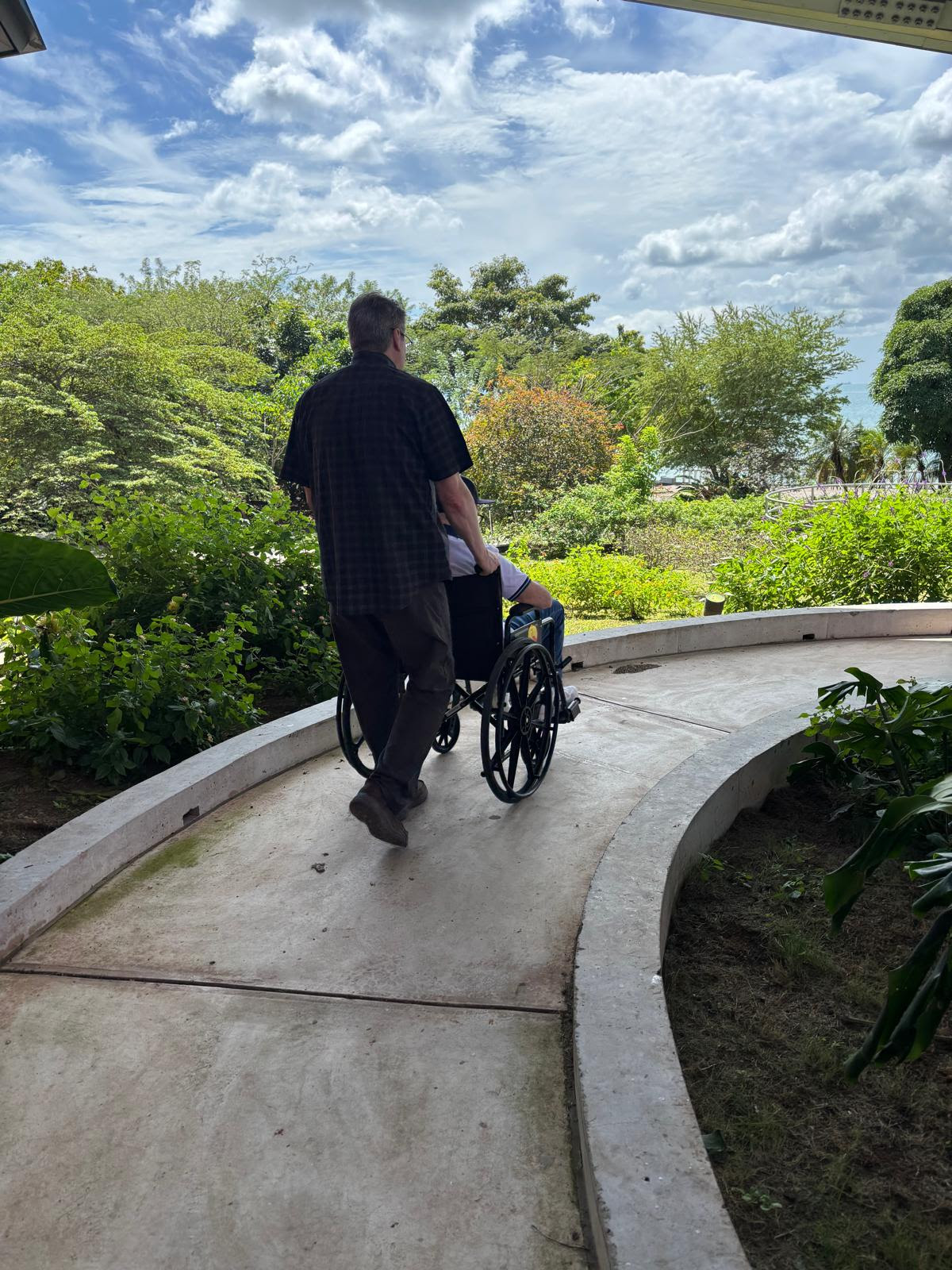
This is an accessible routes at the Bio Museum in Panama by Frank Ghery that we visited with my father.
ACCESSIBLE RESTROOMS
It was interesting to see how other countries provide accessibility in public restrooms. Below are some examples
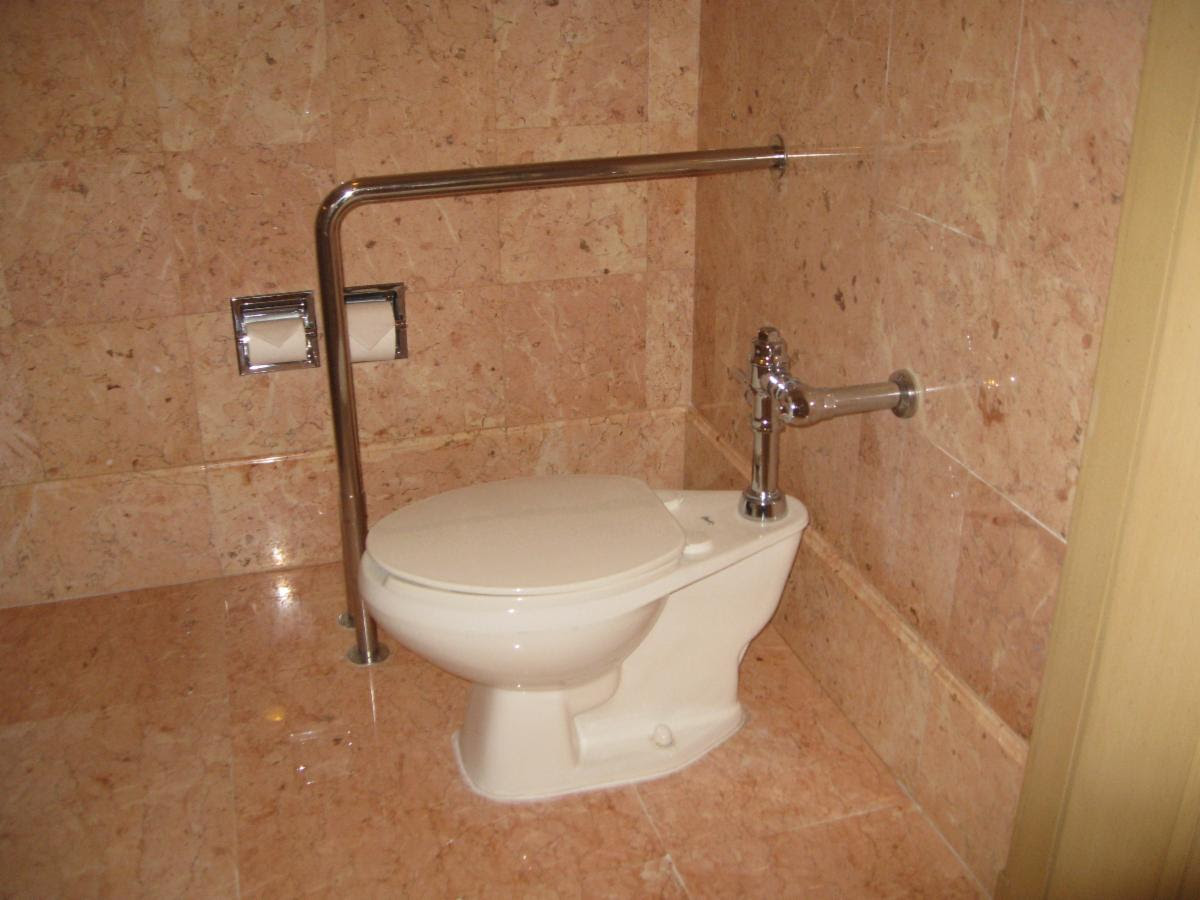
This is an accessible bathroom in Cancun
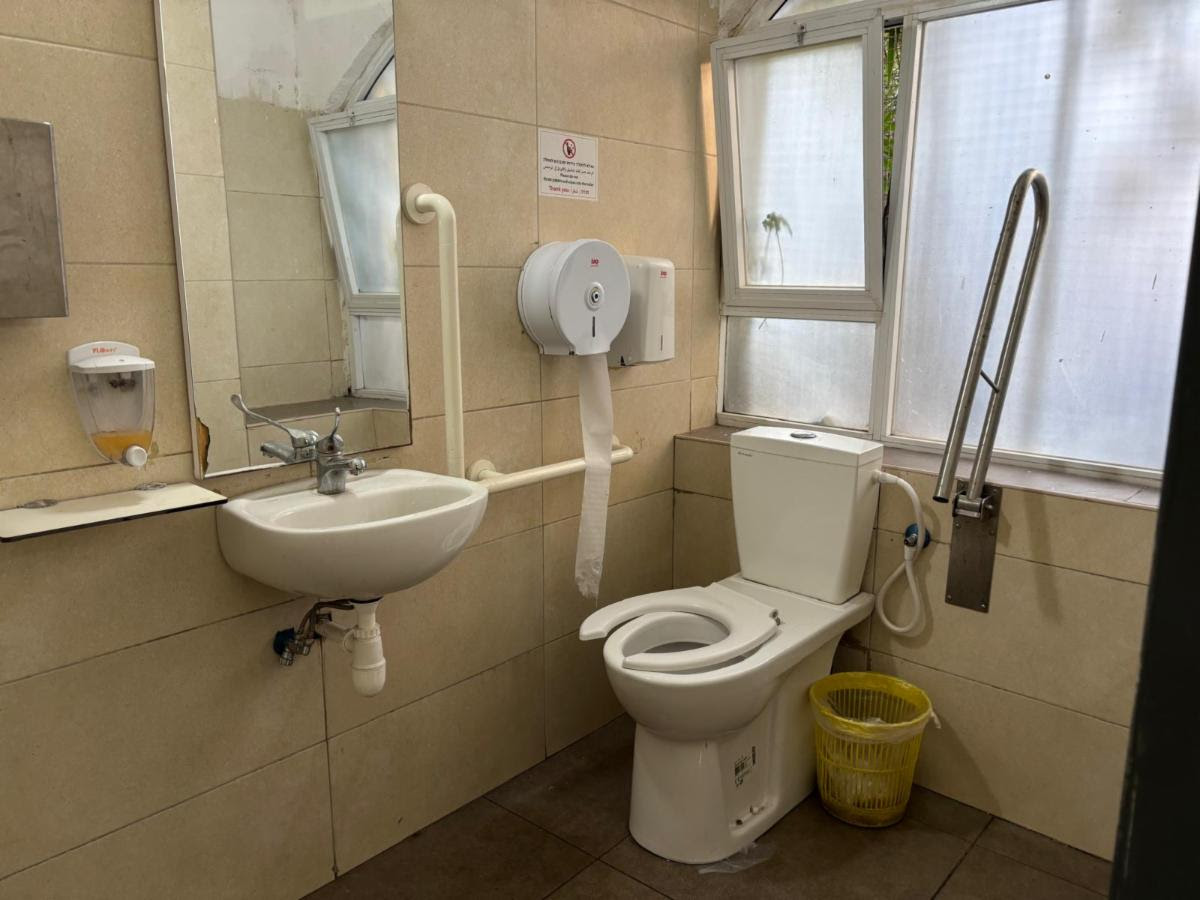
This is an accessible bathroom in Israel
ACCESSIBLE ELEMENTS FOR PERSON WITH VISUAL IMPAIRMENTS
Even though most of the elements we observed were provided with persons with mobility challenges in mind, in Israel we did notice many elements that assist persons who are visually impaired find their way
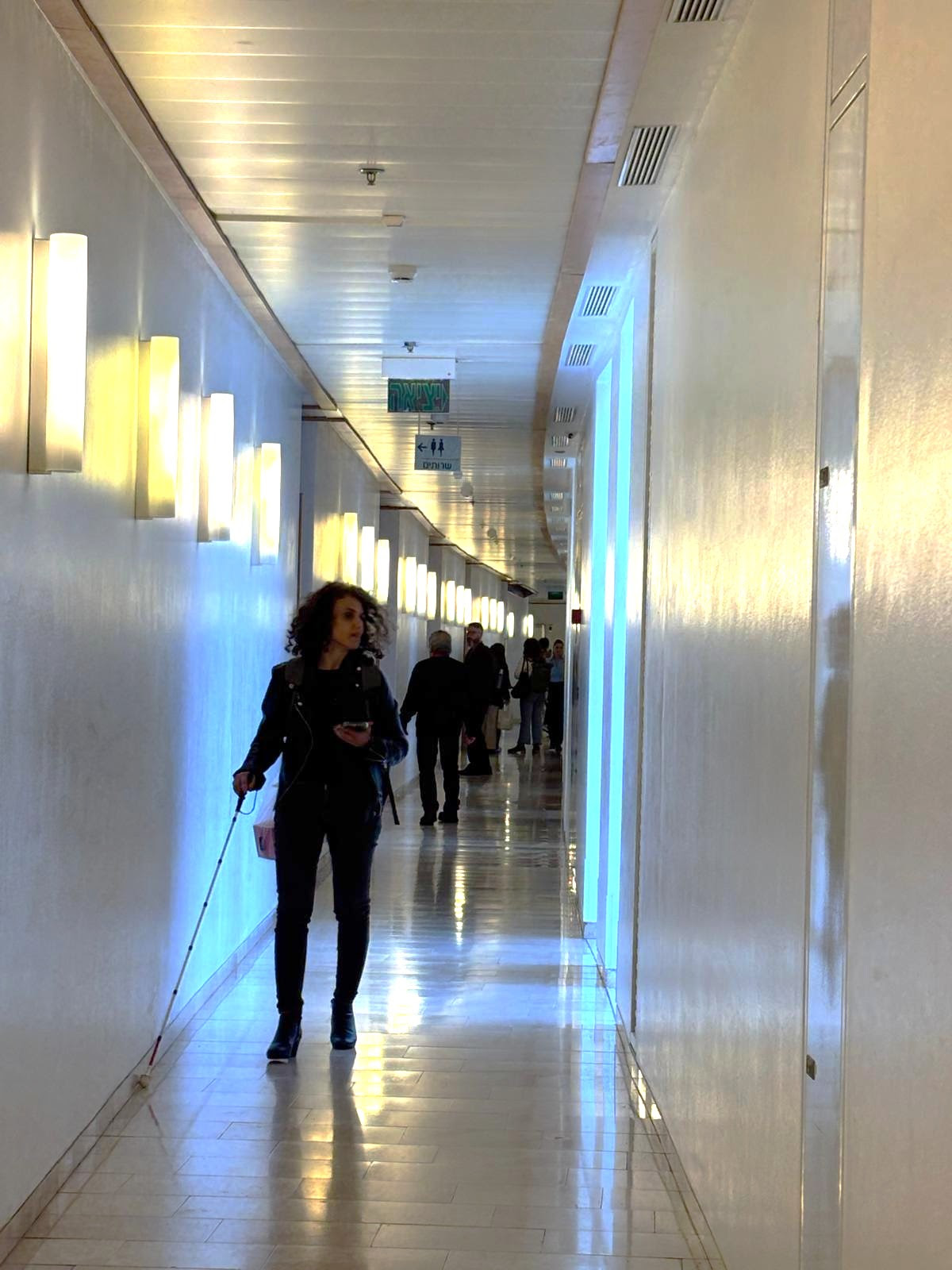
The sconces inside a corridor at a University in Herzeliah Israel were mounted higher than 80″ a.f.f. so that they would not be hazards to persons who use a white cane to find their way round.
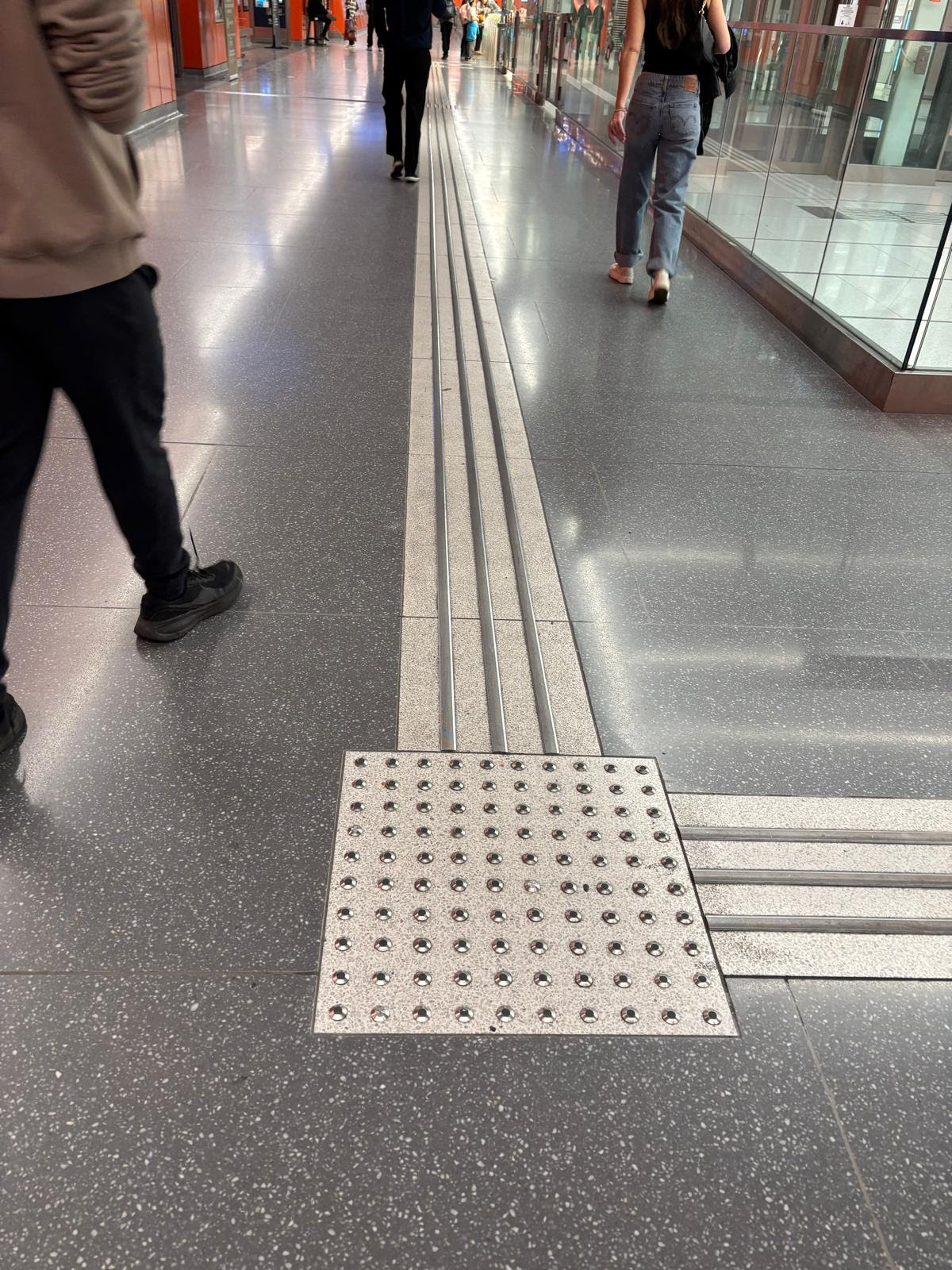
These detectable floor tiles indicate to persons who cannot see which direction is safe to wall. The linear tactile bars provide directional cues and the truncated domes indicate that there is a change in direction.
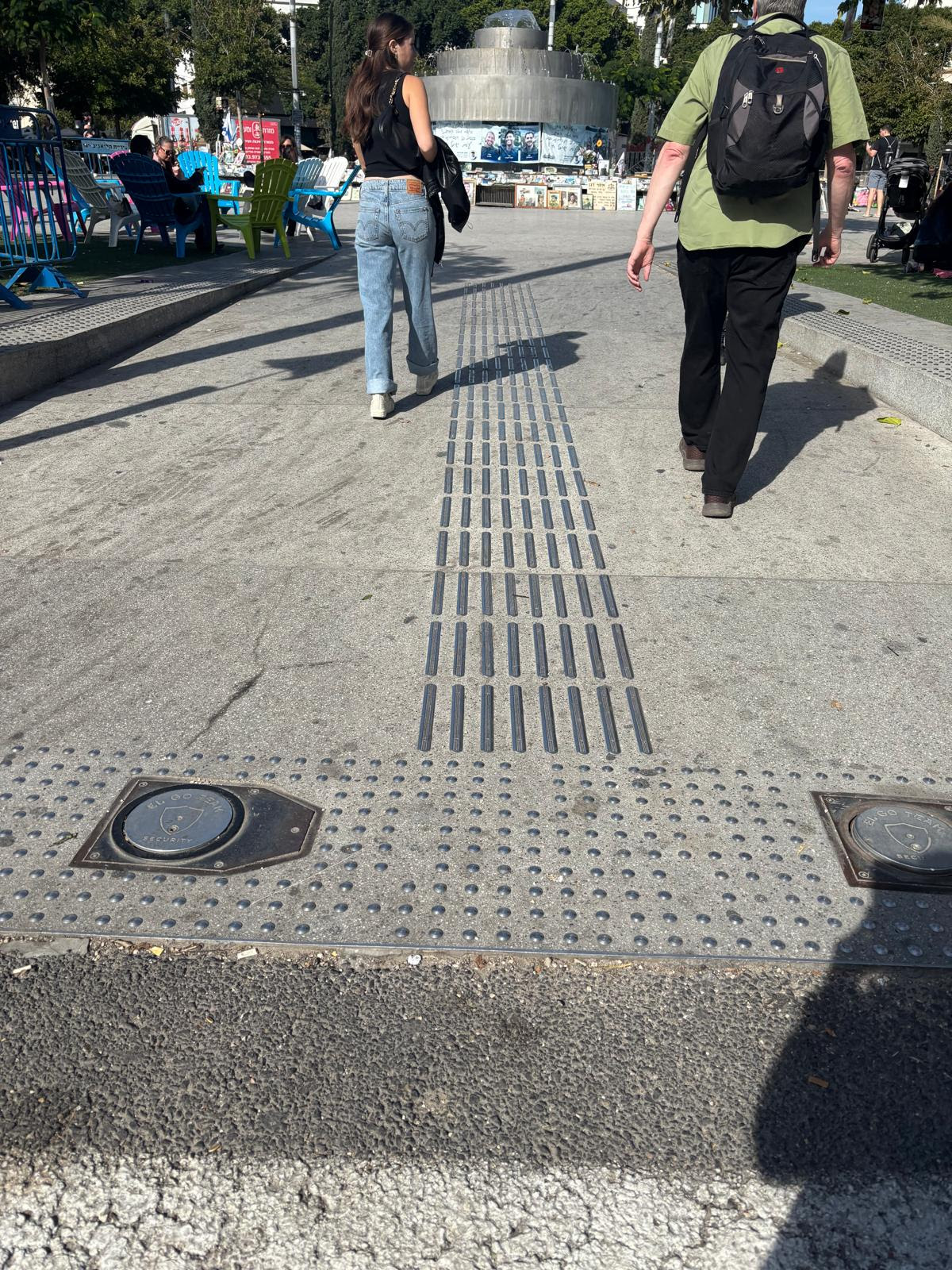
The detectable elements in a public right of way provides directional cues to visitors to the Dizengoff fountain in Tel Aviv.
OTHER ACCESSIBLE ELEMENTS
There were other elements that we observed like drinking fountains for wheelchairs and parking spaces for persons with disabilities
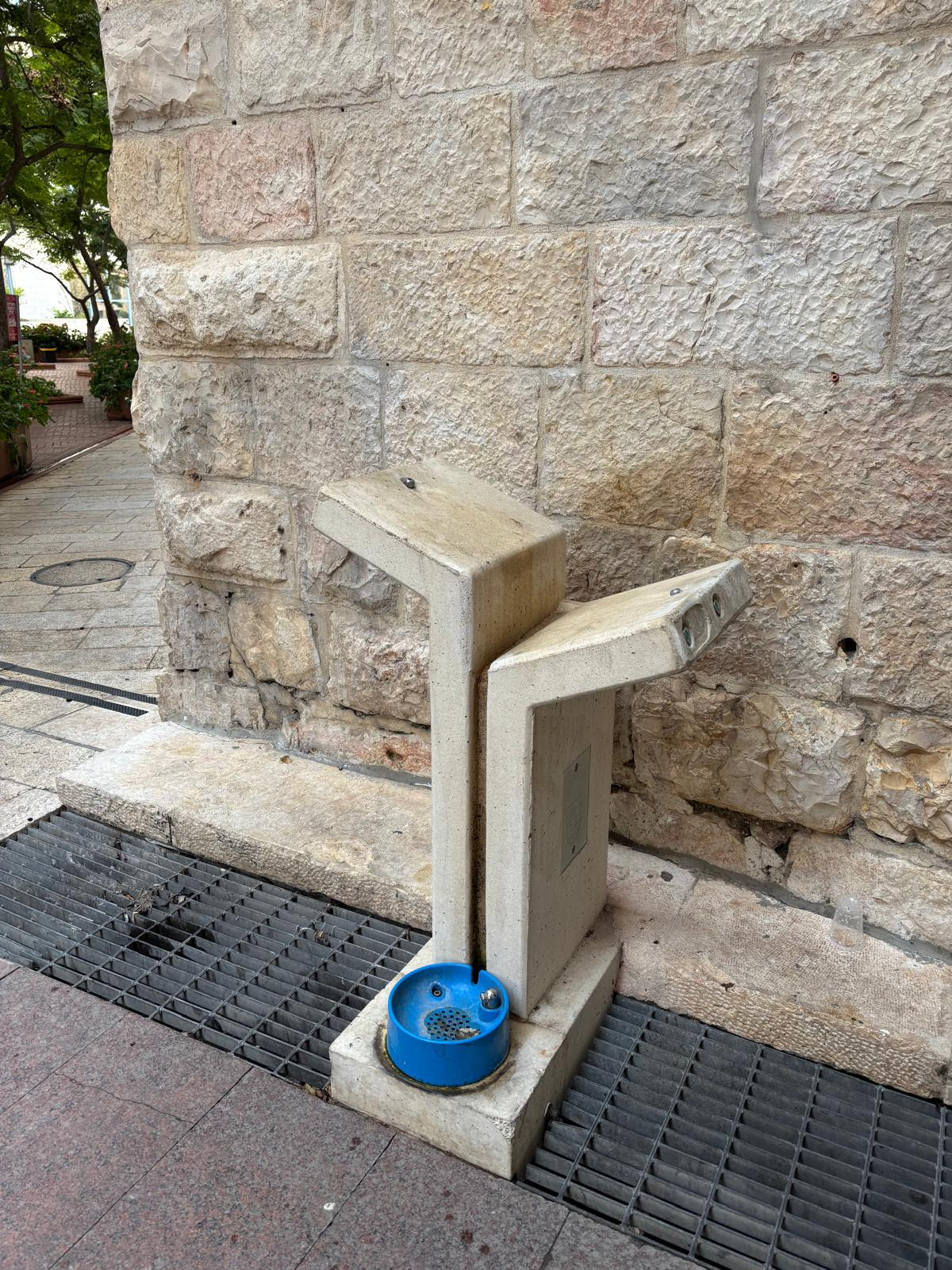
The drinking fountain in Jerusalem had a low one for wheelchairs
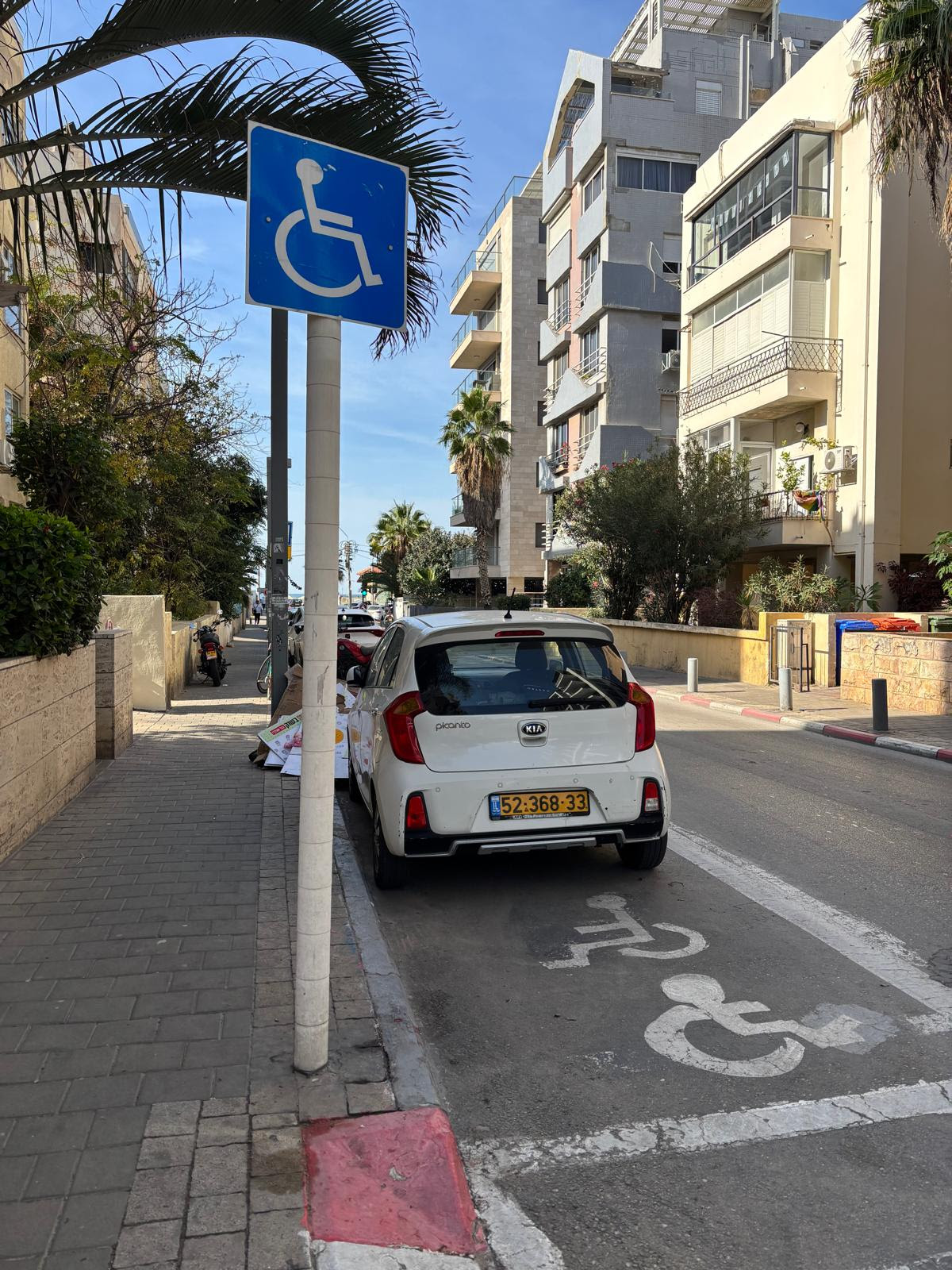
The parallel parking in Tel Aviv was a good attempt to designate the parking spaces, but it did not provide ample area to exit or to get onto the sidewalk
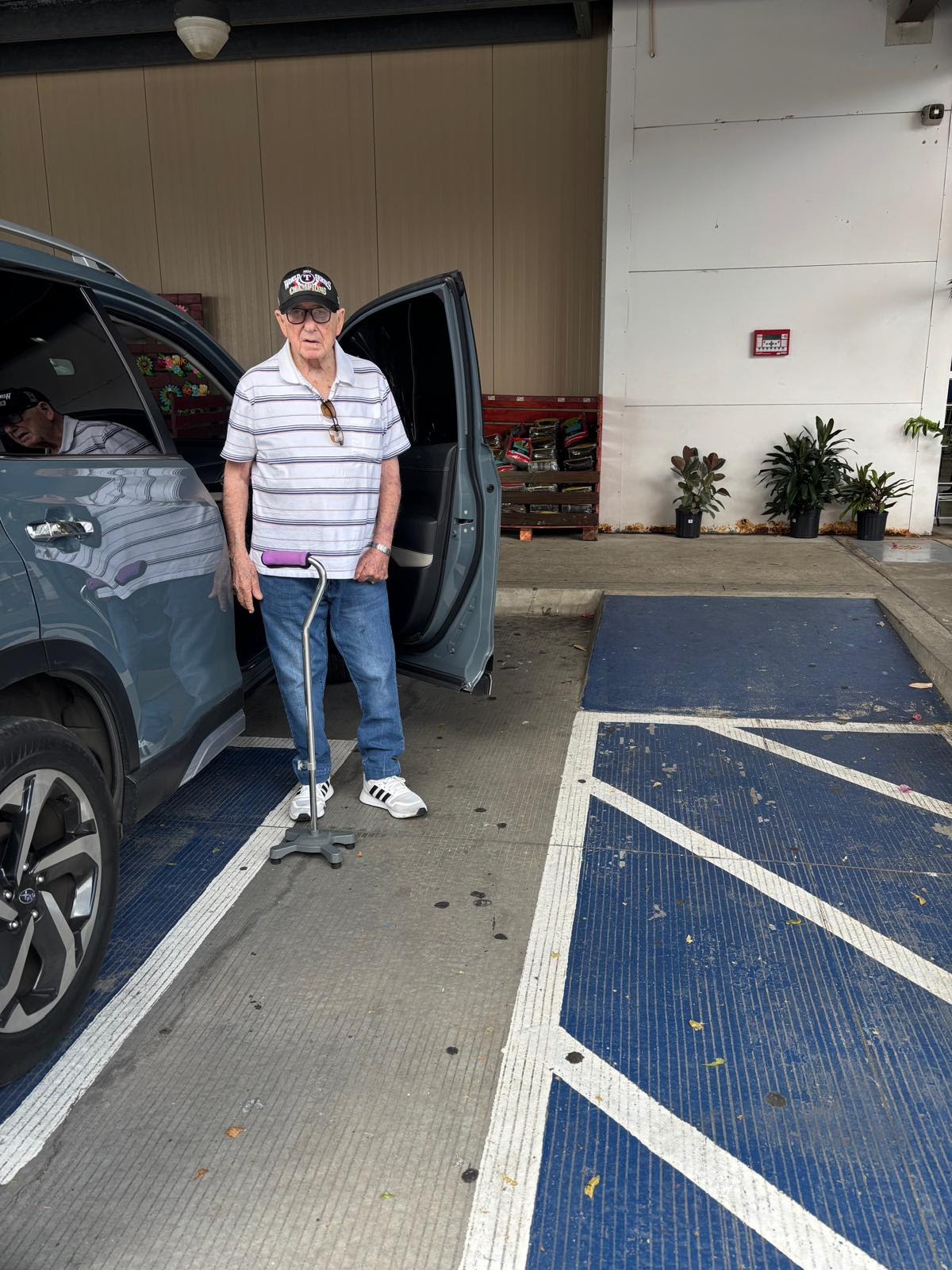
This accessible parking in Panama provided an area for people to exit and a ramp to go up to the sidewalk.
TAKE AWAYS
It is always nice to see that other countries work on having accessible elements for their citizens. I wonder if they have an ADA like we do, but it is nice that they try to provide accommodations to people who need it. Let’s keep educating so we can eliminate architectural barriers to travelers and others who need it.
Edge protection at ramps
There is a standard that requires that the side edges of a ramp be protected from wheelchair casters from falling off the edge if the ramp edges are open and located 10″ above the ground. Edge protection along ramp runs and landings keep wheelchair casters and crutch tips on the surface and can be provided by curbs, barriers, or extended surfaces.
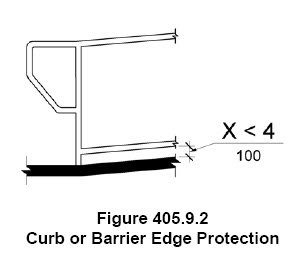
At one of my inspections yesterday, there was a ramp that had handrails alongside of low planter wall (so the edges were not open). But it also had a low bar that was mounted 4″ above the surface of the ramp. The additional edge protection was not required, since there was no drop off on either side of the ramp edges.
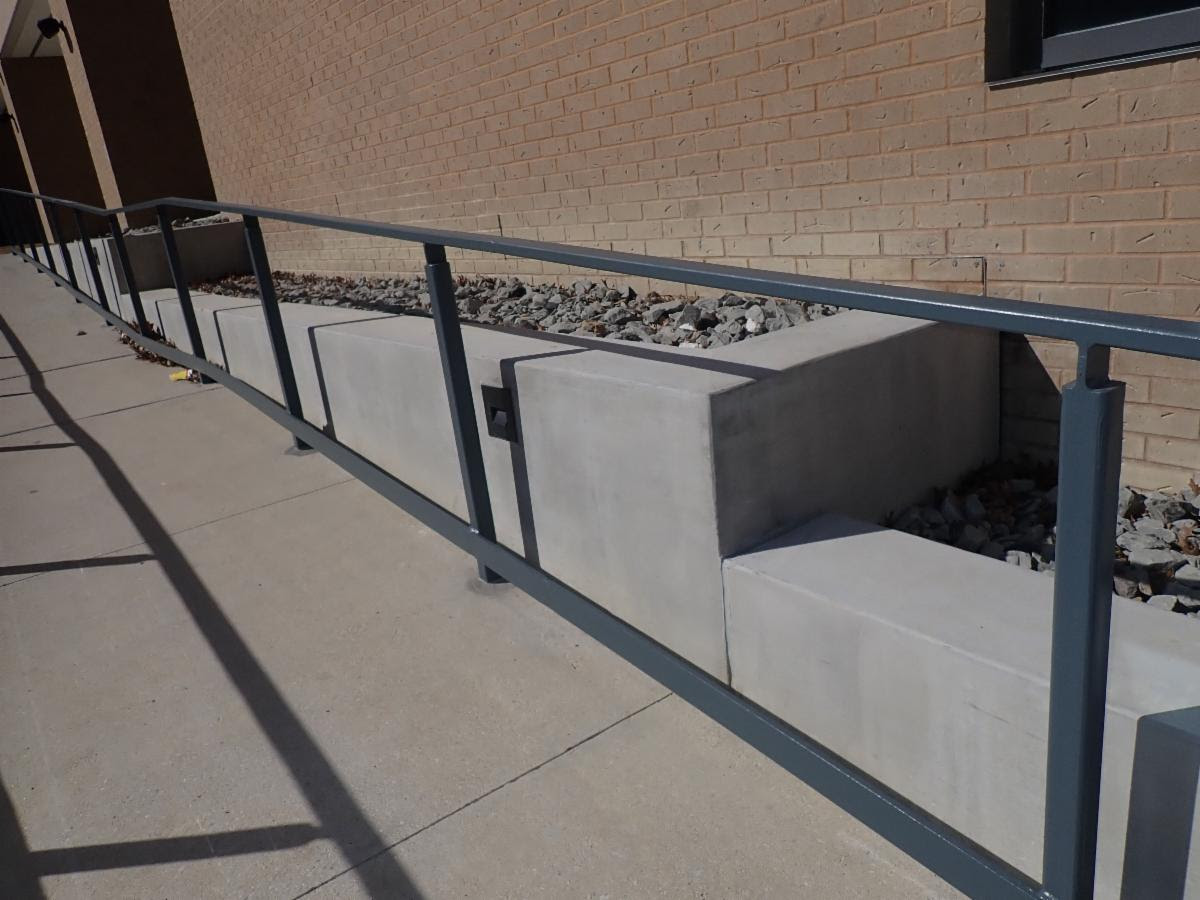
The ramp shown above had a low wall that acted as edge protection AND a low rail that was also intended to be edge protection.“
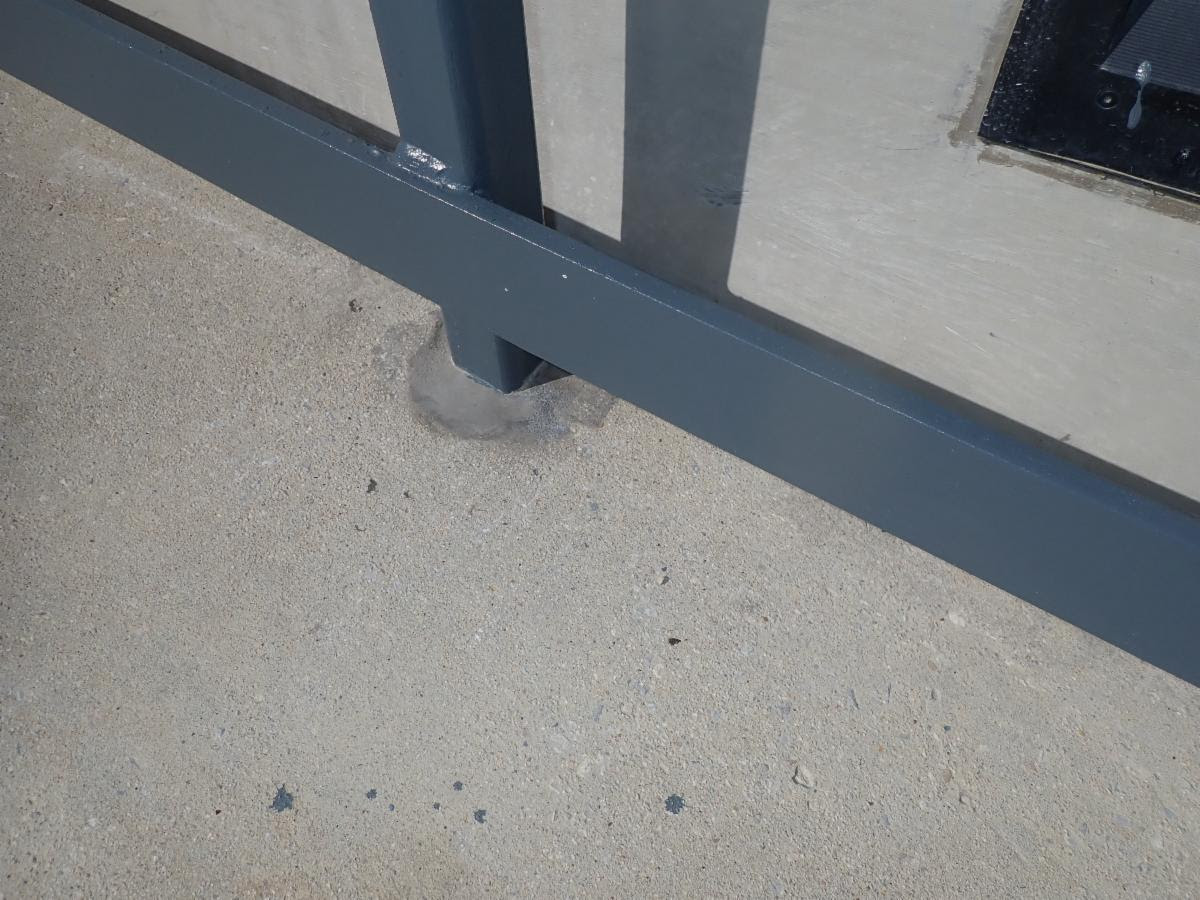
The photo above shows the low rail that was intended as edge protection. The ramp did not require it since the edges were not exposed.
Cane detection
When an object is located along a circulation path and mounted higher than 27″ a.f.f. , said object is not “cane detectable” (read last month’s newsletter which discussed Protruding Objects)
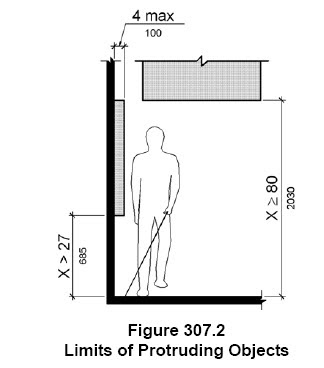
At one of my inspections yesterday, there were two examples of cane detection: one was not necessary and one was a good example of a prevention from becoming a protruding object.
Below are the two examples:
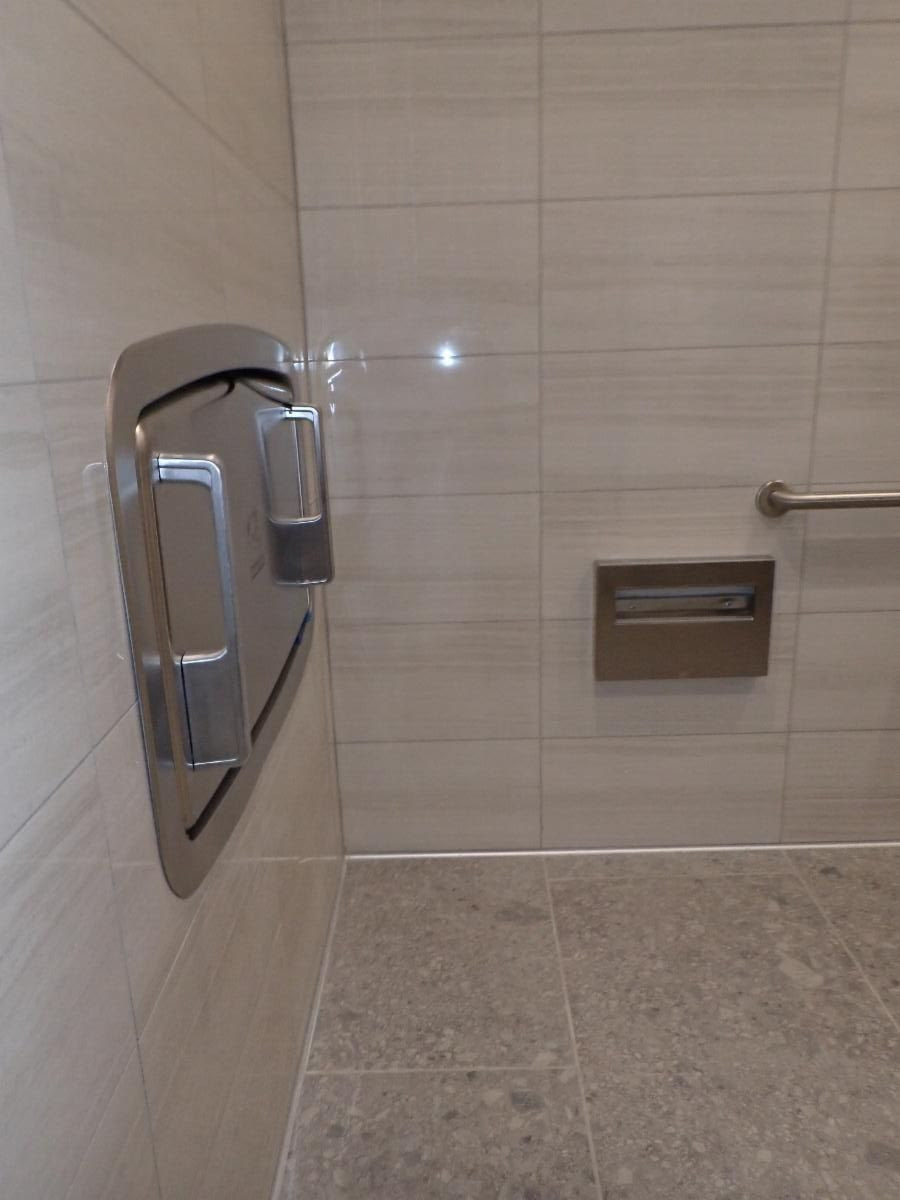
The photo above shows a diaper counter located along a circulation path in a restroom. It is a recessed type diaper counter with handles that project out onto the path. (the diaper counter was a Koala product)
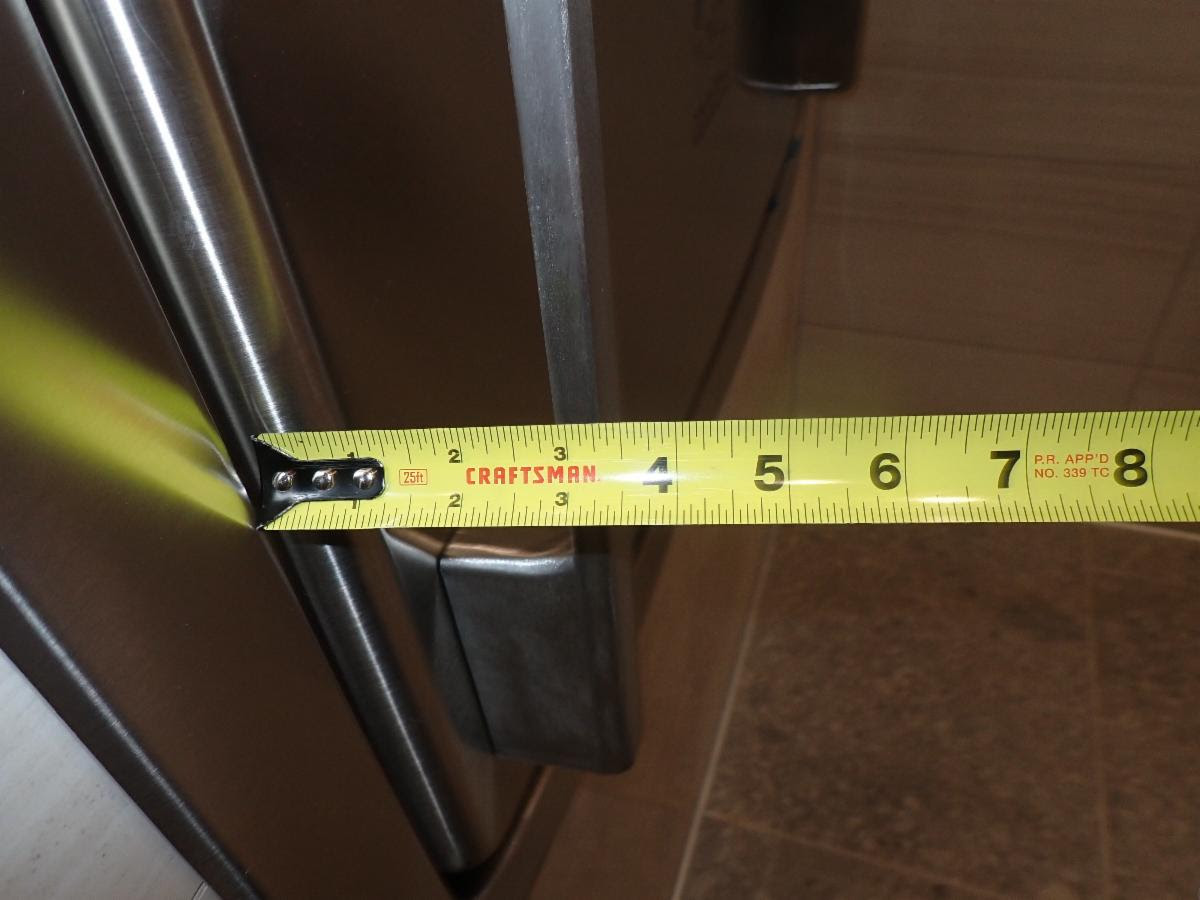
But the handles are only 3 1/2″ from the mounting surface which does not make it a protruding object.
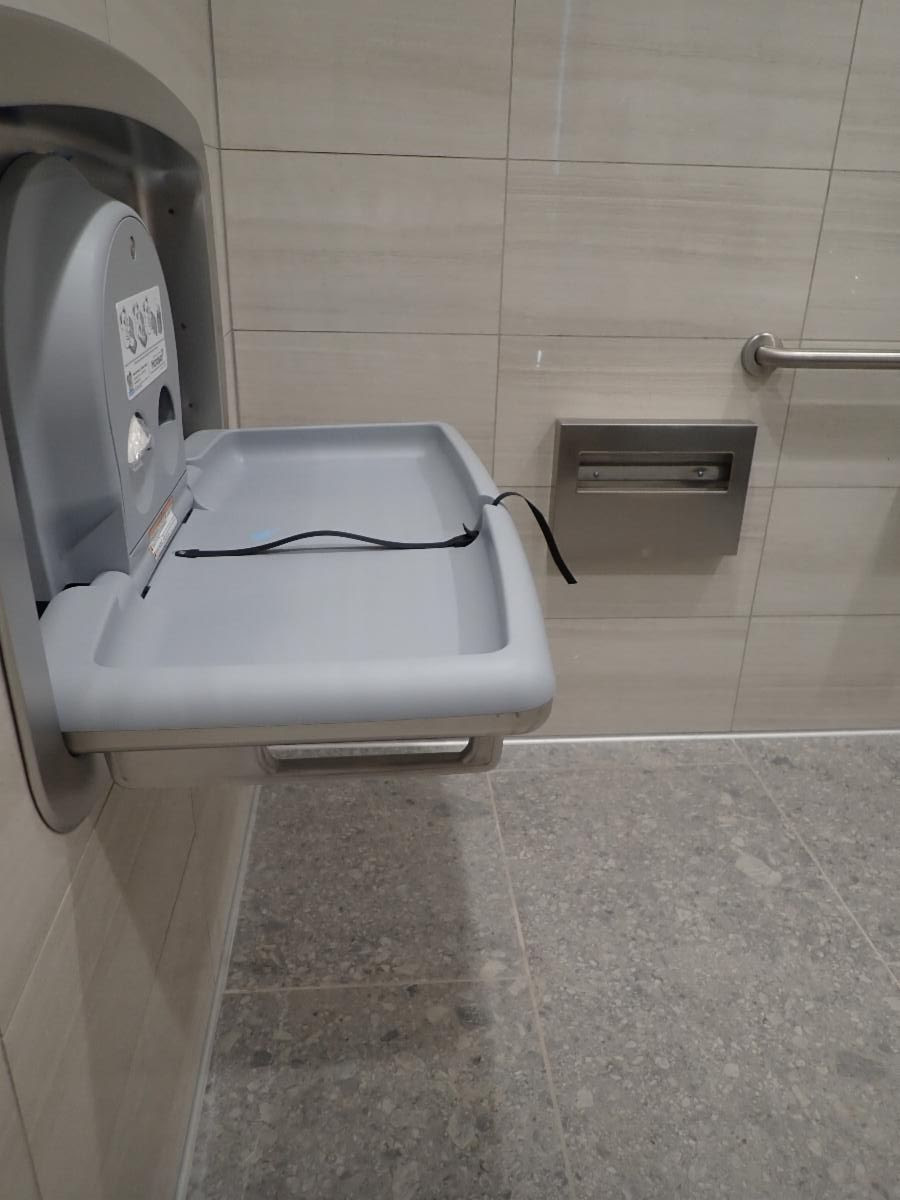
Once the diaper counter is down, and if it is left down, It could be a protruding object….but the handles are now below the counter and will act as cane detection.
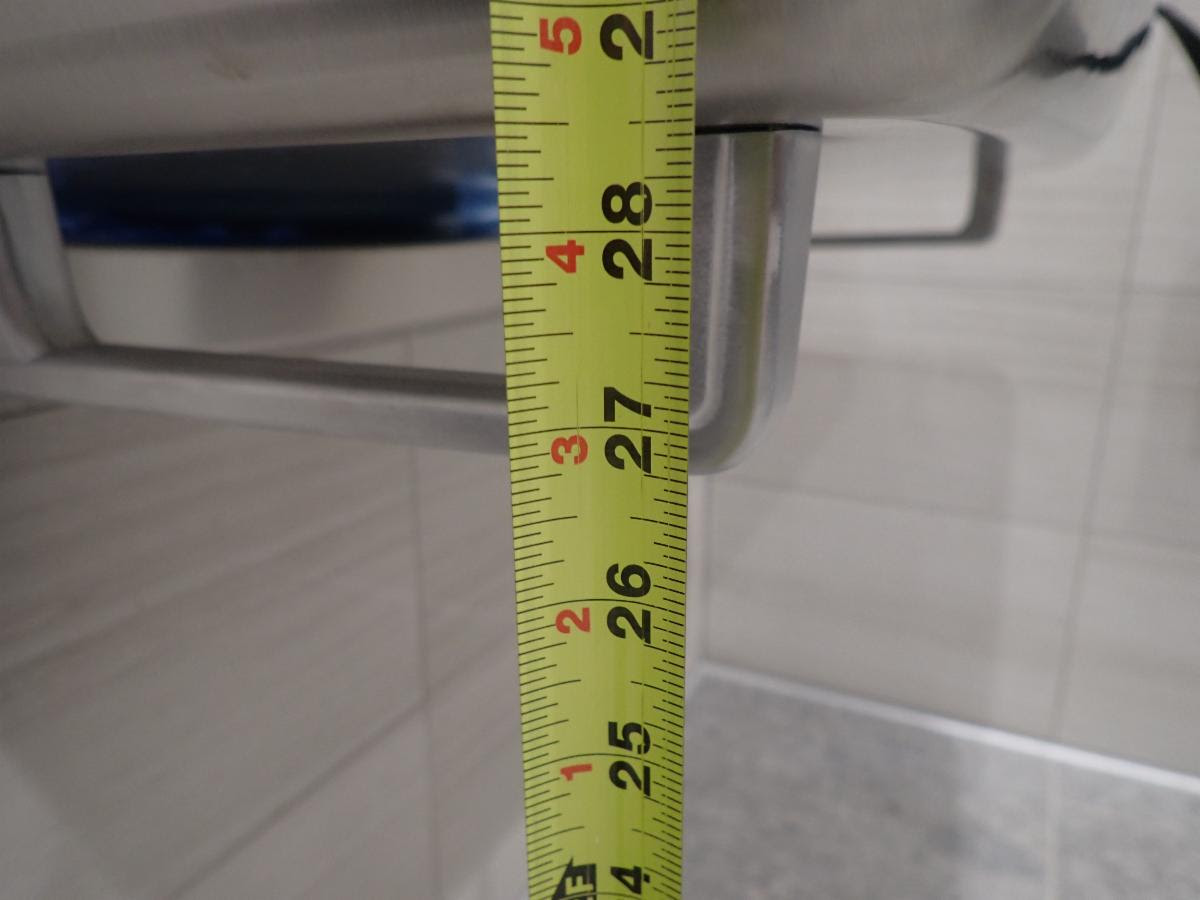
The photo above shows the handles below the counter that are mounted lower than 27″ a.f.f. and act as cane detection.
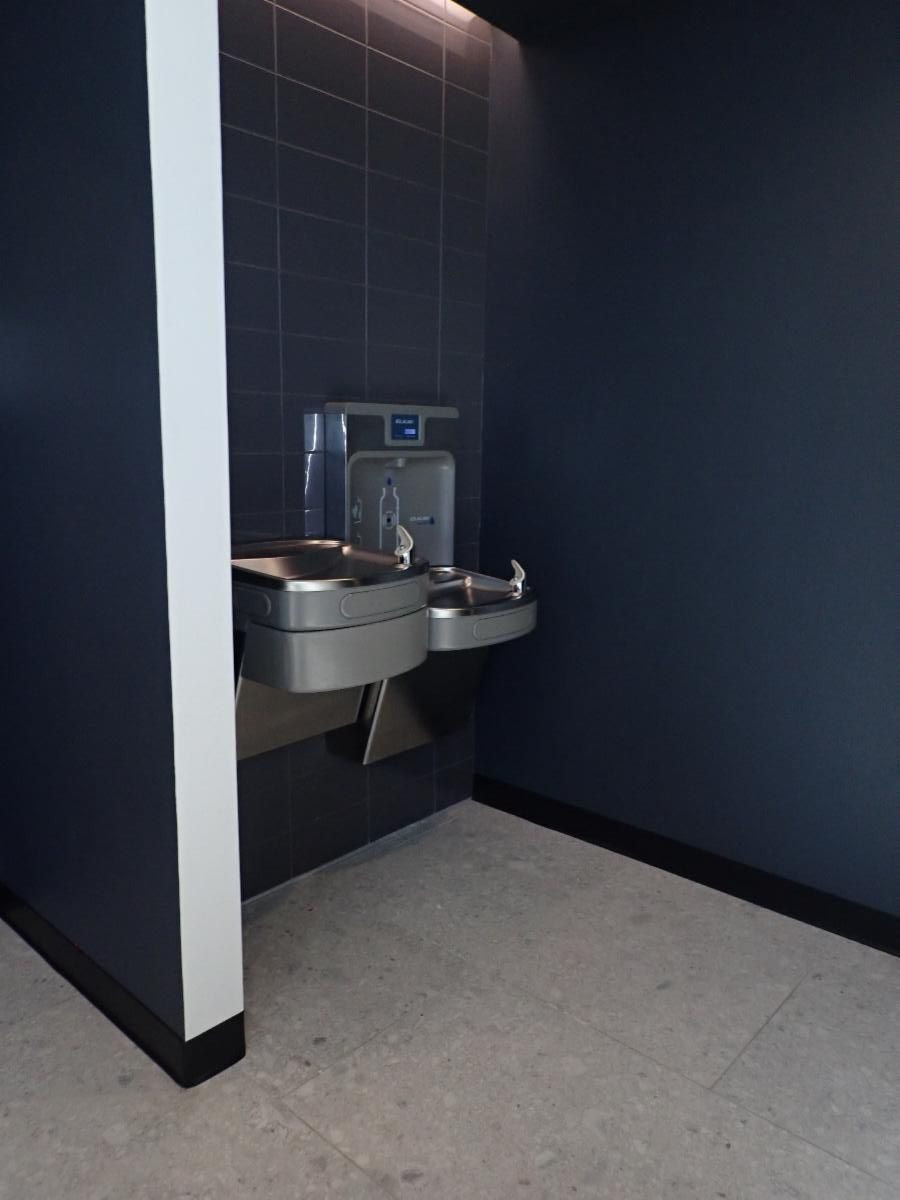
The photo above shows a drinking fountain located in an alcove. It is not technically protruding onto a circulation path and the walls on either side of the drinking fountains act as cane detection. So the cane detectable apron installed under the “high” drinking fountain was not required.
BECAUSE IT WAS A PROTRUDING OBJECT
What is a protruding object?
Most of the rules in the 2010 ADA Standards for Accessible design seems to be relating to people who use wheelchairs. But the guidelines apply to other disabilities besides mobility. There are guidelines to assist person who are hearing impaired, congnitively impaired as well as visually impaired.
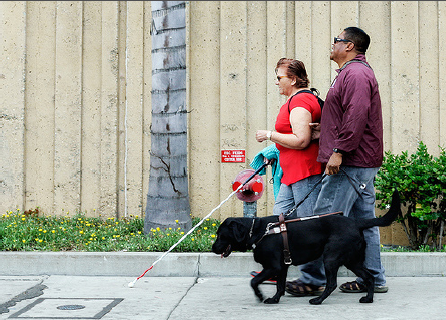
People who are visually impaired use the built environment to find the way. They might use a cane to “feel” objects which will guide them and will assist them to avoid any hazards. People who use a cane can only detect objects that are located along their circulation path and mounted BELOW 27″ a.f.f.
A circulation path is not the same as an accessible route.
When you see the words “accessible route” in the ADA Standards it is describing the path a person in a wheelchair would use to get around. When you see the words “circulation path” in the ADA Standards it describes any path that a pedestrian would take regardless of disability. Most of the time, the circulation path applies to persons that are visually impaired.
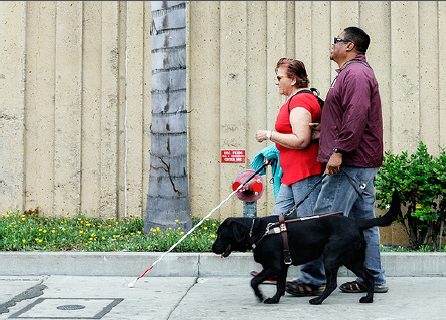
People who are visually impaired use the built environment to find the way. They might use a cane to “feel” objects which will guide them and will assist them to avoid any hazards. People who use a cane can only detect objects that are located along their circulation path and mounted BELOW 27″ a.f.f.
Anything that is mounted ABOVE 27″ a.f.f. or below 80″ a.f.f. could be considered a protruding object IF it is more than 4″ from the mounting surface.
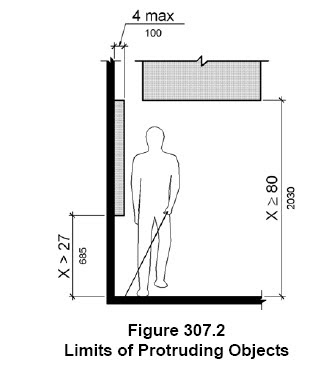
But are any object that extends more than 4″ from its mounting surface a “protruding object”?
No….only if they are also located in a circulation path.
A circulation path in the ADA is not the same as what we design professionals think of a circulation path. We think of it ONLY as corridors, walkway, elevators, stairs….
A circulation path in the ADA describes ANY place that a able bodied pedestrian will be going. This would include the path you would take to go from the doorway to the toilet inside a restroom, the path from the toilet to the sink inside a restroom, the path from a doorway to your seat in a conference room or classroom, the path from one room to a different room etc.
“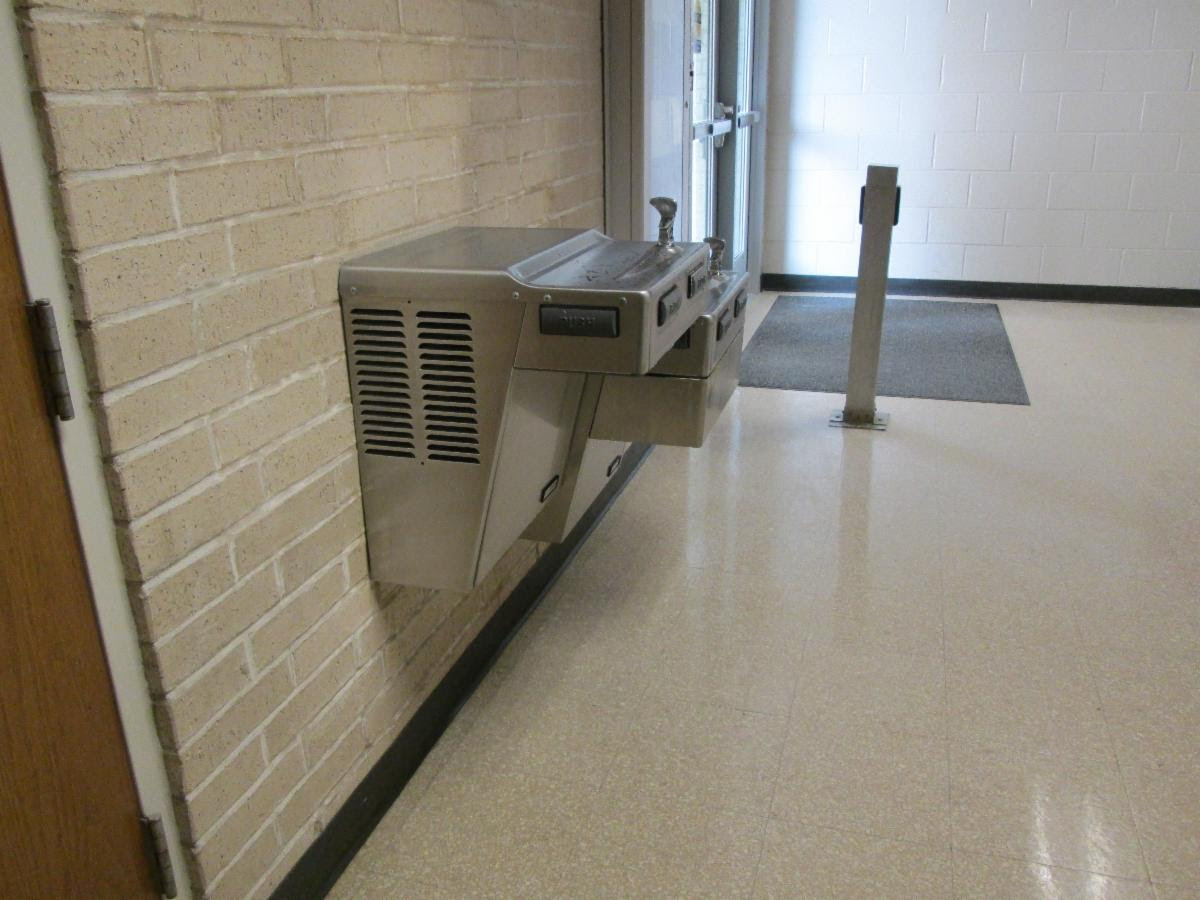
The photo above is showing a drinking fountain in a circulation path from one room to another
Some people ask me, but there is plenty of room in the middle of the corridor where the drinking fountain does not protrude…..Yes, but a person who is visually impaired who uses a cane to find their way is trained to walk close to the walls in order that they can tap the cane on a surface which will gude them to where they are going. So the middle of the corridor would not be THEIR circulation path.
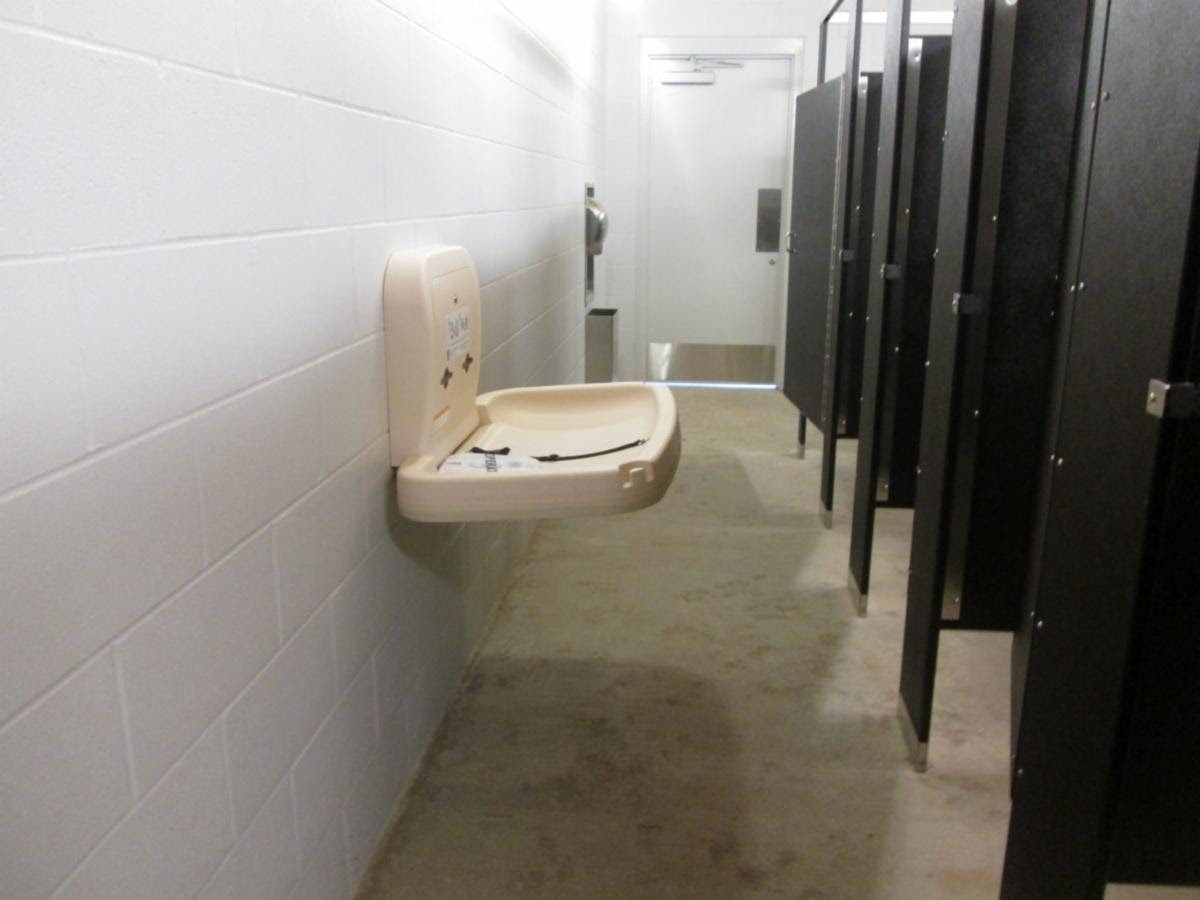
The photo above is showing a diaper counter located in the circulation path to the toilet compartments as well as the exit door. It also projects more than 4″ onto that circulation path making it a protruding object.
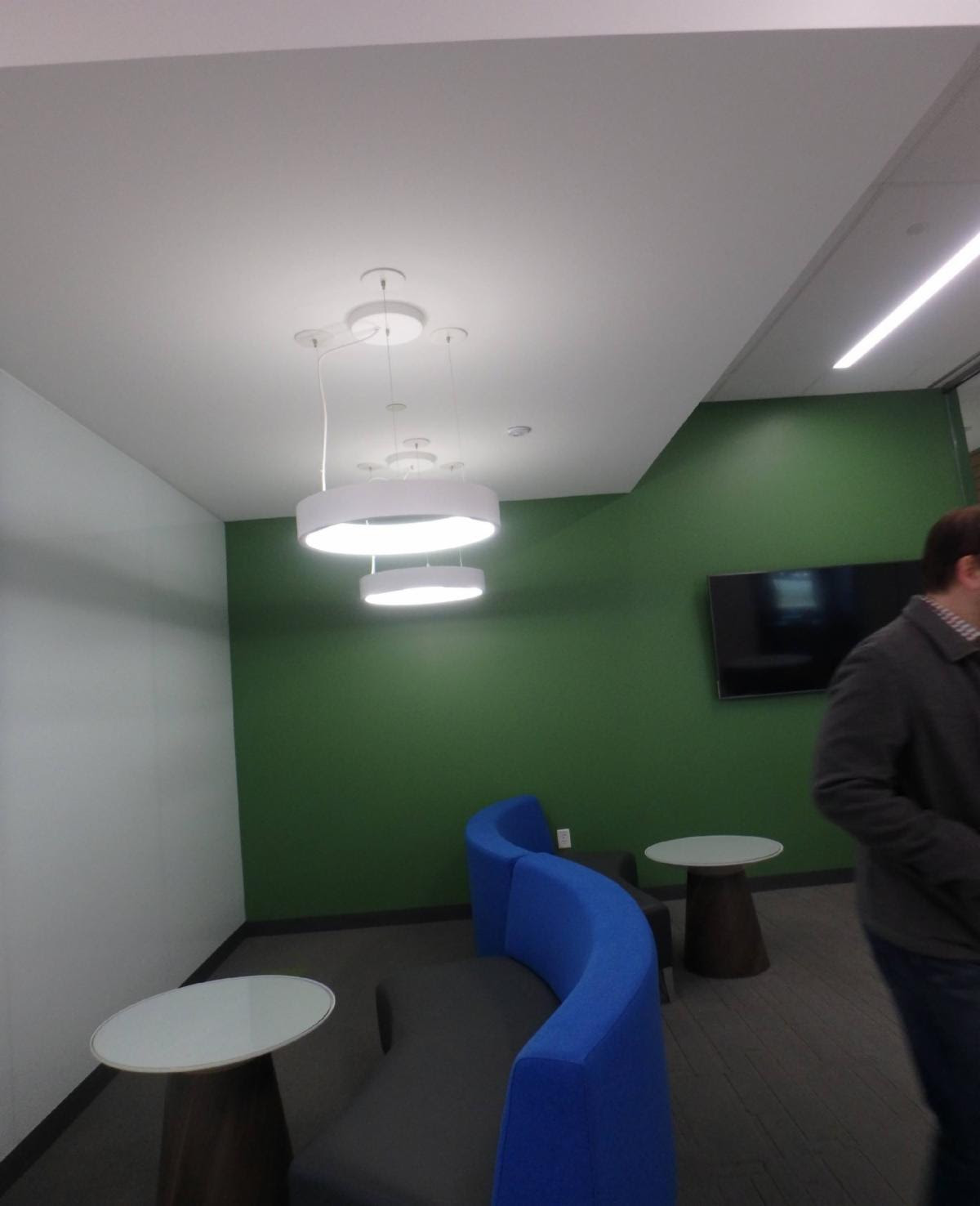
The photo above is showing a pendant light fixture mounted lower than 80″ a.f.f. and in a circulation path from one side of the room to the other. But you might say that there is a seat located right below it. Unless that seat is FIXED or BUILT IN it does not constitute a cane detectable element because it could be moved from that location. Only permanent elements will be able to be used as cane detection.
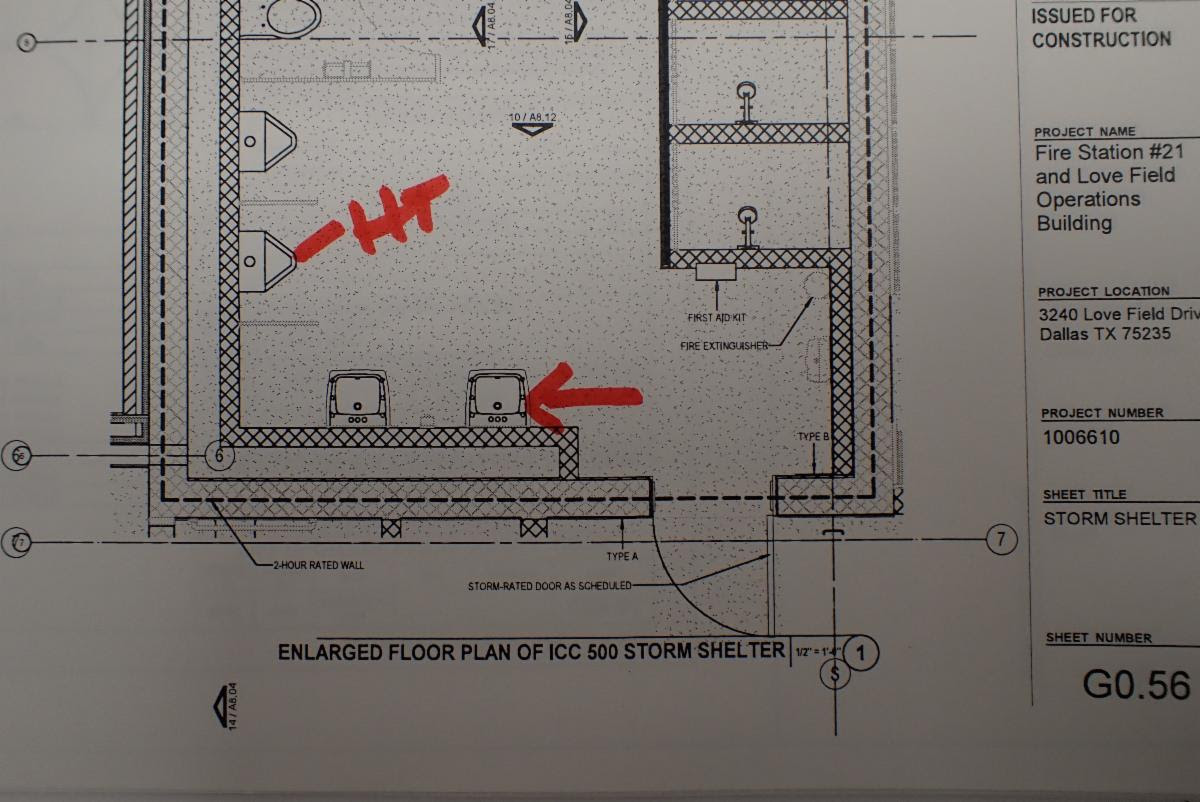
The drawing above is showing a plan of a lavatory located on the way to the urinals and showers at this lavatory might be a protruding object if the leading edge is mounted higher than 27″ a.f.f. which is possible since the knee space for a lavatory is required to be a minimum of 27″ a.f.f.
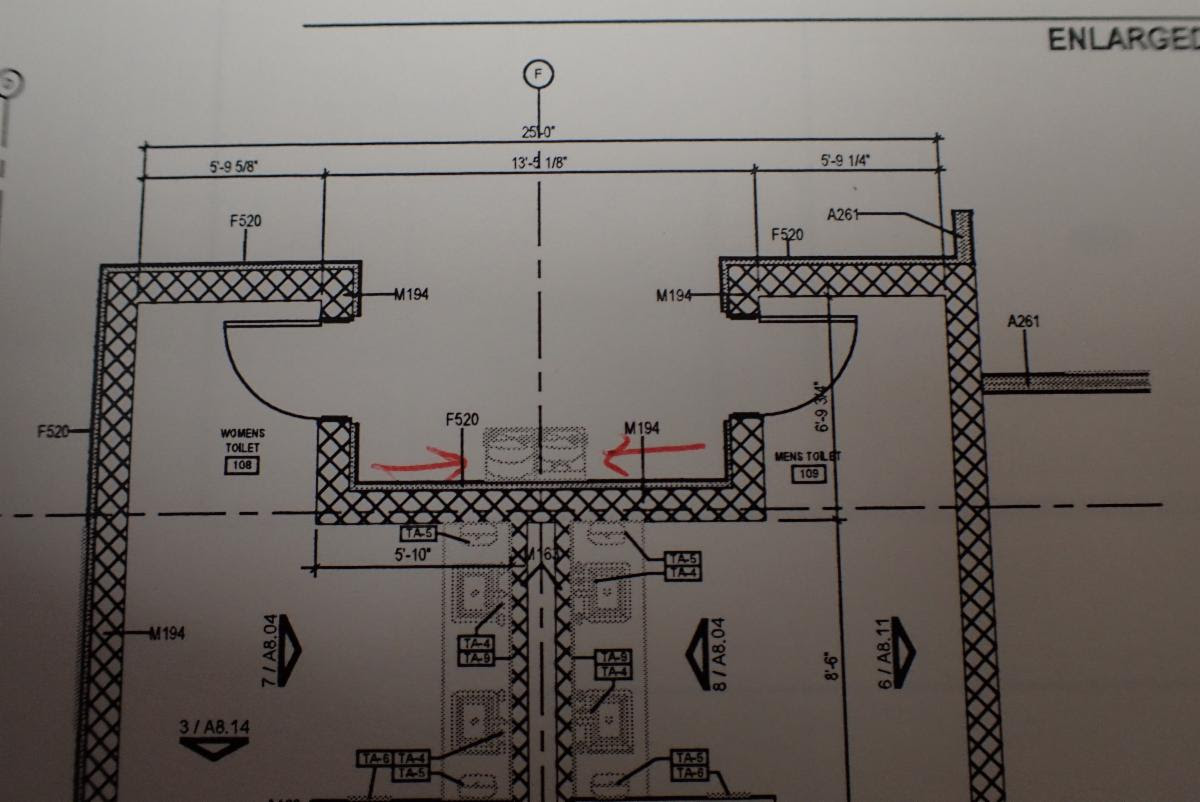
The floor plan above is showing a set of drinking fountains in an alcove. It appears as though the alcove puts them away from the circulation path, but because the alcove is wide a person who is visually impaired could accidentally walk into the drinking fountain if one of the leading edges are higher than 27″ a.f.f.
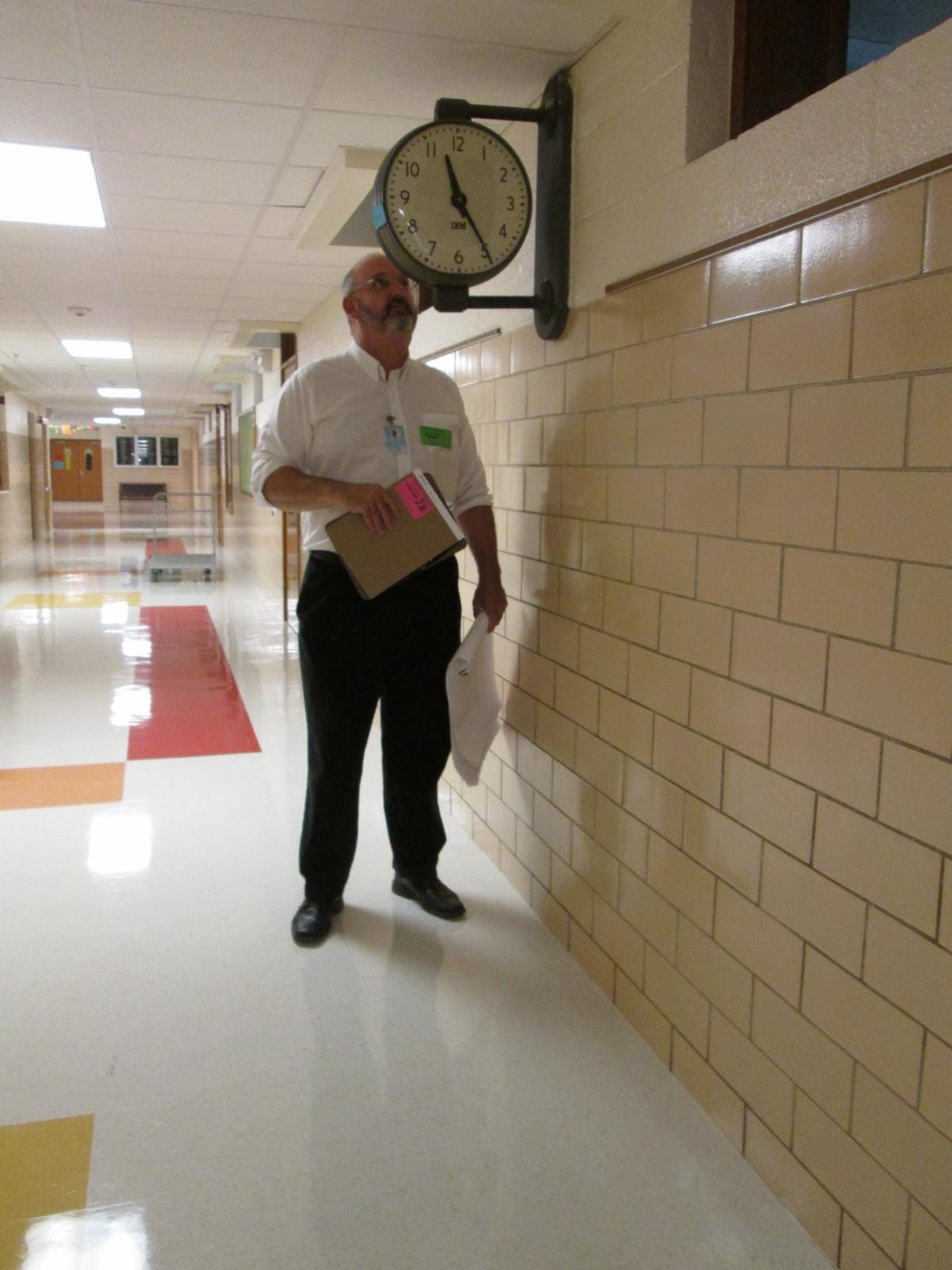
The photo above is showing a clock mounted on a wall in a corridor of a school and lower than 80″ a.f.f.. The clock is a hazard to people who are visually impaired because it protrudes more than 4″ onto the circulation path.
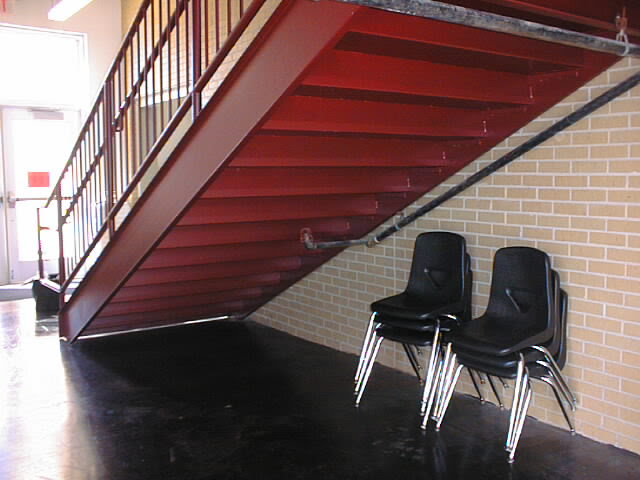
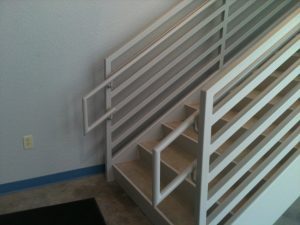
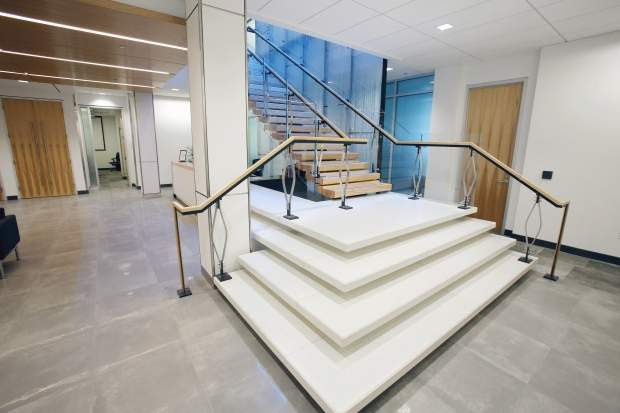
The photo above is showing stair with exposed risers and treads. There is no cane detection and a person who is visually impaired could bump their head on the edges.
There are some requirements that sometimes get mistaken for protruding objects. For example, there is a rule that forbids certain objects to overlap the clearance of the toilet in a restroom. Designers might think that the rule pertains to protruding objects and as long as the object within the clearance of the toilet is less than 4″ it is allowed to overlap.
That is not correct.. The protuding object rule, remember, has to do with persons who are visually impaired. The requirement at the toilet has to do with persons in wheelchairs where such objects would prevent them from easily transfer onto the water closet.
“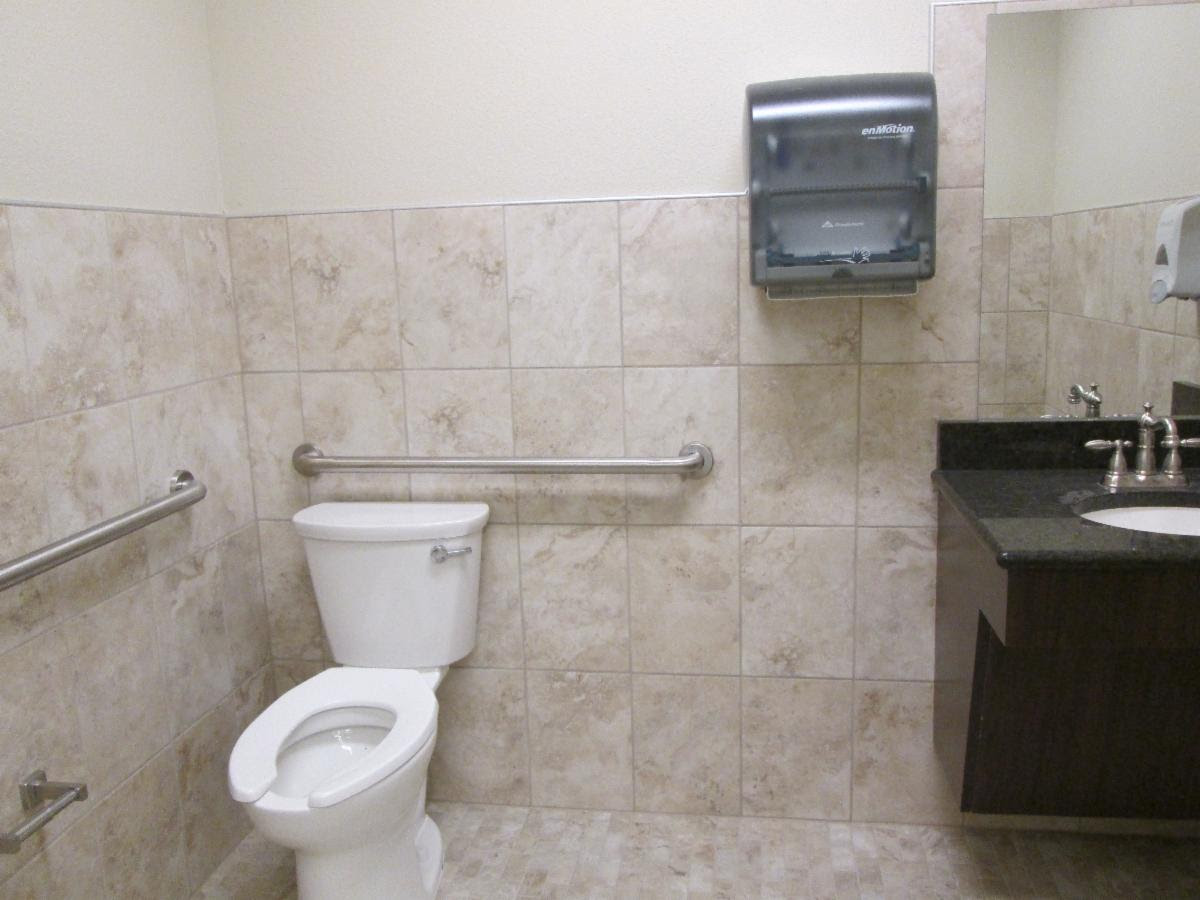
The photo above is showing a paper towel dispenser that is overlapping the clearance around the toilet. This is NOT a protruding object because it is not lcoated in a circulation path. The paper towel dispenser is located between the toilet and the lavatory which both act as cane detection away from the paper towel dispenser. This however is a violation of the overlap rule for toilets (ADA section 604.3.2)
Some Solutions
Below are some solutions to resolve the protruding objects.
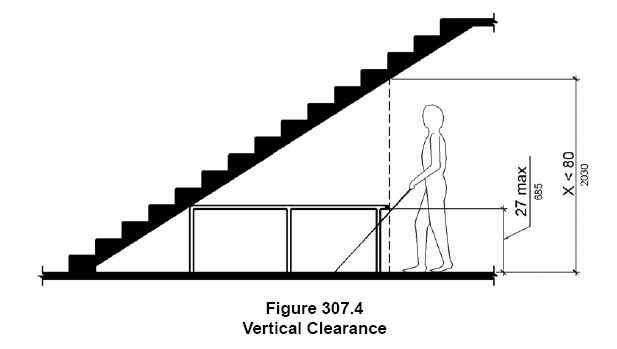
The figure above shows a way to provide cane detection by using a rail below an open stair
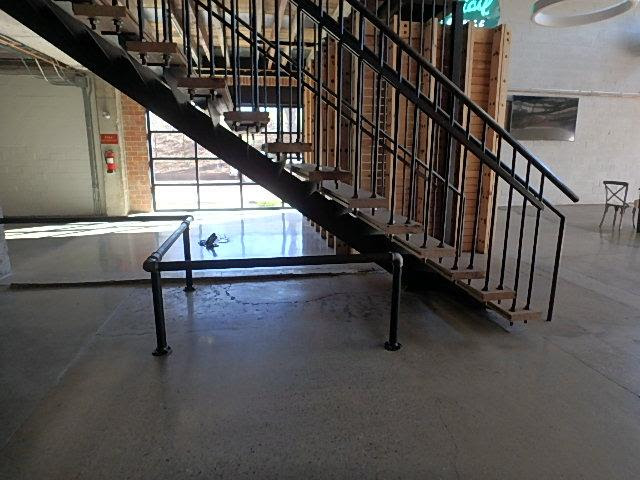
The photo above shows a rail below an open stair that acts as cane detection
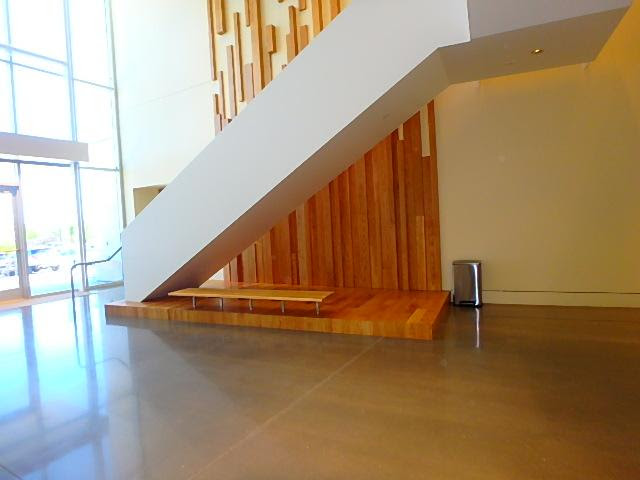
The figure above shows a way to provide cane detection by using a rail below an open stair
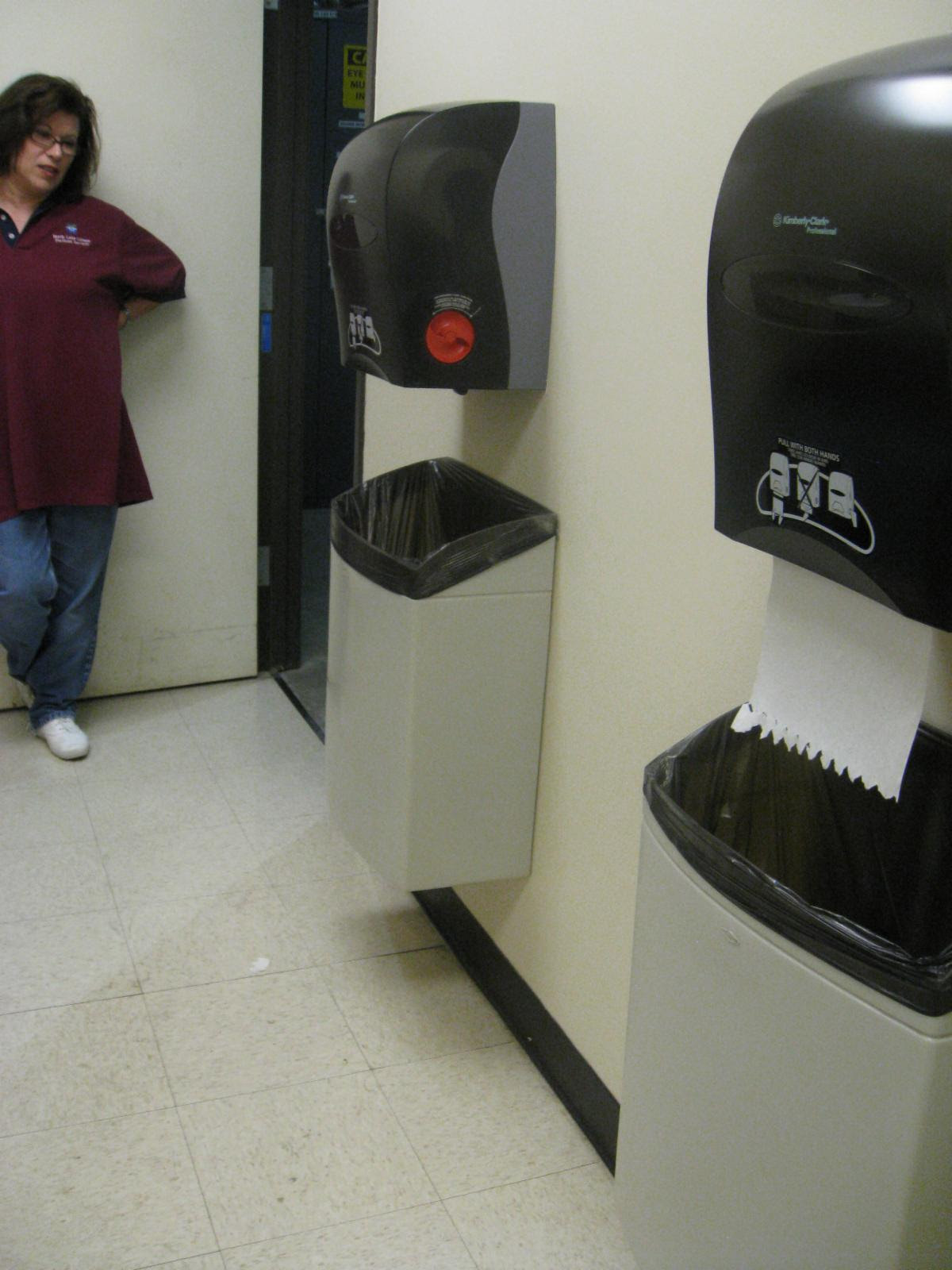
The photo above trash receptable mounted below the paper towel dispensers that are protruding more than 4″ onto a circulation path inside the restroom. This trash receptible reaches below 27″ a.f.f. which makes it cane detectable.
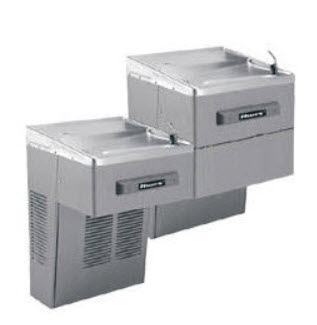
The photo above shows a cane detectable apron that is an accessory you can specify to be installed below the leading edge of the high drinking fountain. The cane detectable apron should be mounted exactly at 27″ a.f.f. so that it acts as cane detection and allows the wheelchair drinking fountain to have the required knee clearance.
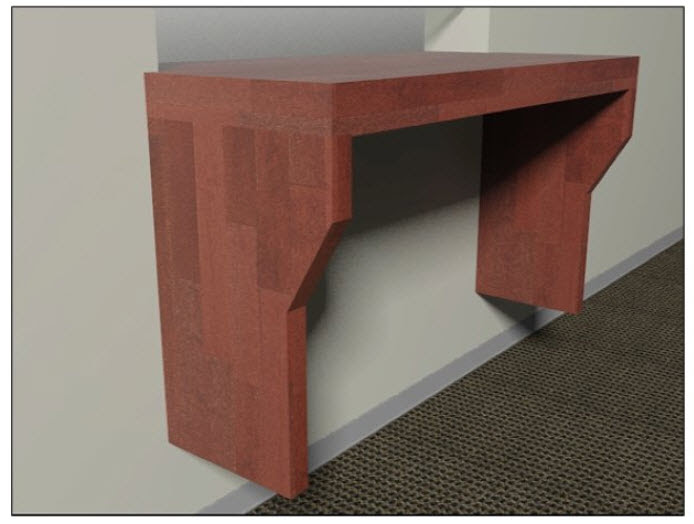
The photo above shows panels on either side of a wall mounted counter which acts as cane detection
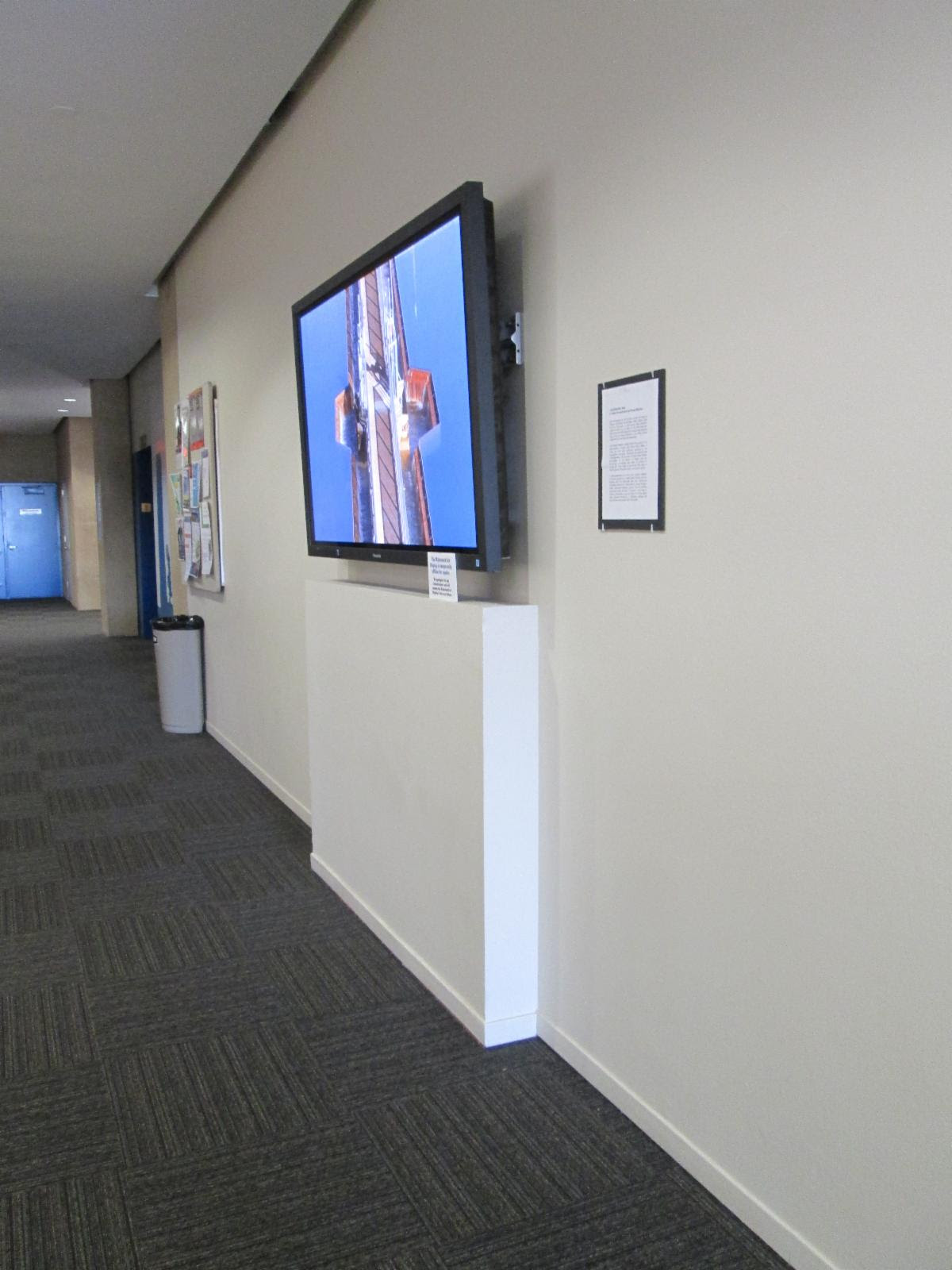
The photo above shows a furred out wall that acts as cane detection to the wall mounted TV located in a circulation path.
 Abadi
Abadi