 Abadi
Abadi 


February 2026: Accessibility during Travel
Posted on - Monday, February 2nd, 2026When I traveled at the end of last year, I noticed many of the places I have visited try to provide accessible elements. This newsletter will show you some of the elements I found through my travels last year. I challenge you to see what might not meet the ADA that we follow in the United States. Email me and let me know what you find wrong.
ACCESSIBLE RAMPS
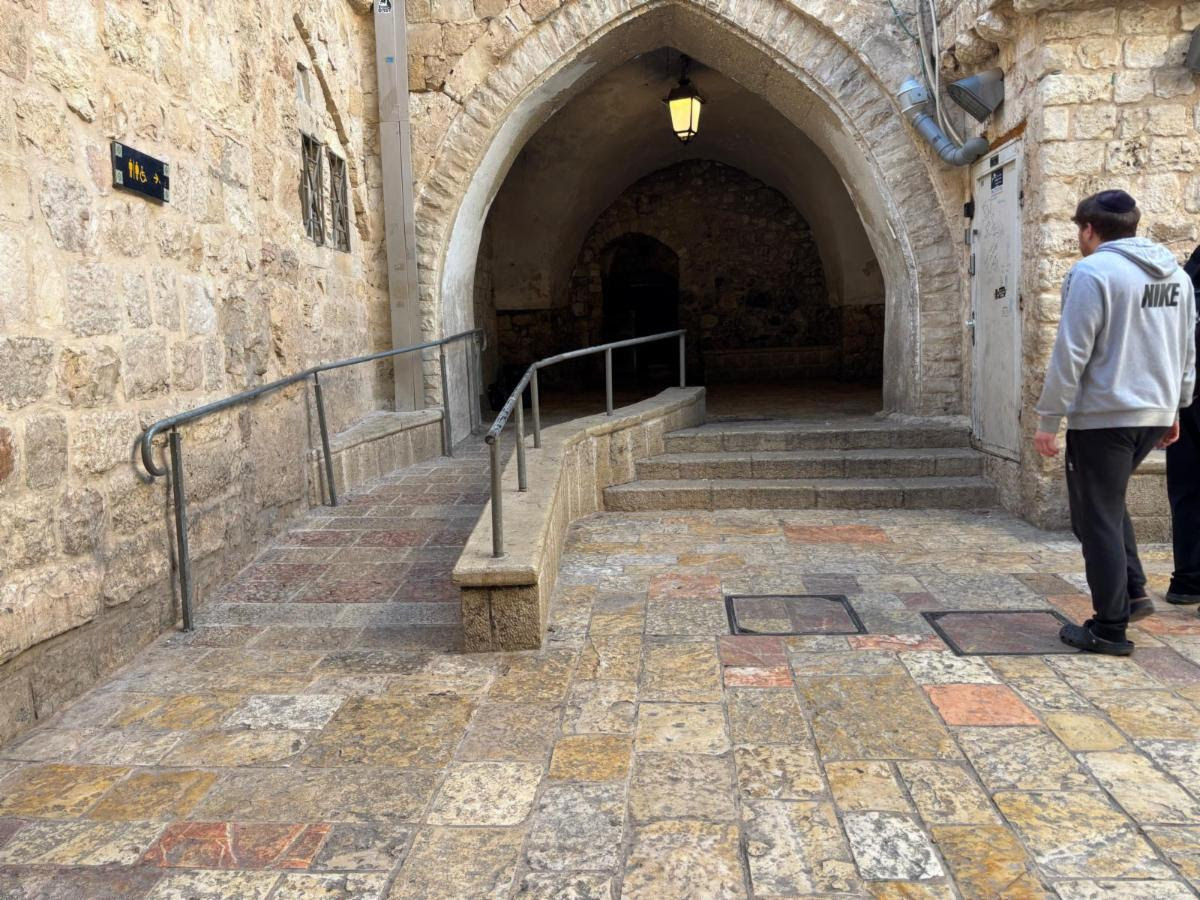
The old City of Jerusalem provided many ramps to enter spaces. And the way they incorporated similar materials, the ramp did not stand out and appeared to always been there.
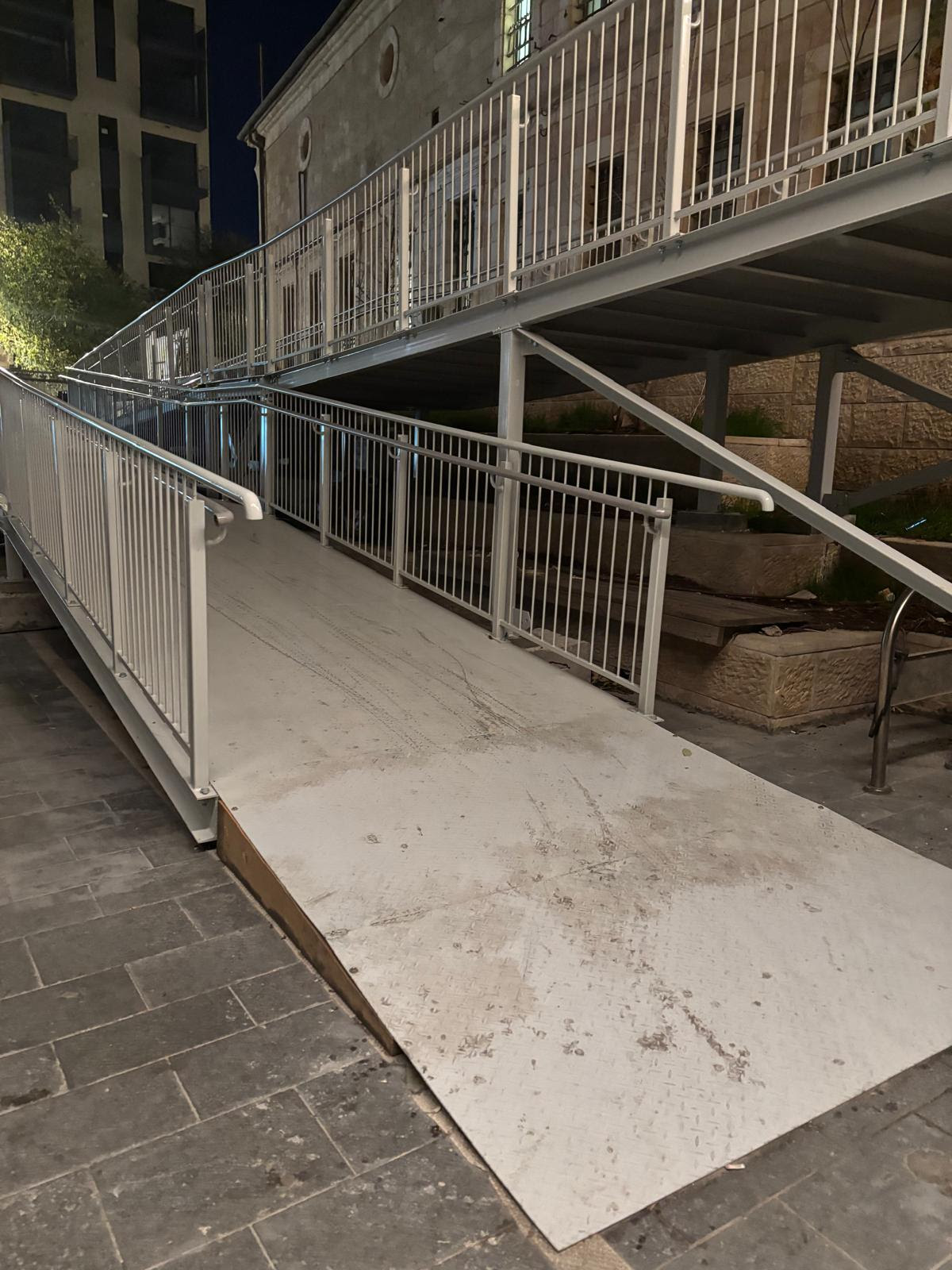
This ramp was a temporary path to the AirbNB that we stayed at when we traveled. The accessible path was under construction. The only mistake I saw was the fact that the handrails did not extend until the end of the ramp. This makes it difficult to slow down as people in wheelchairs exit the ramp
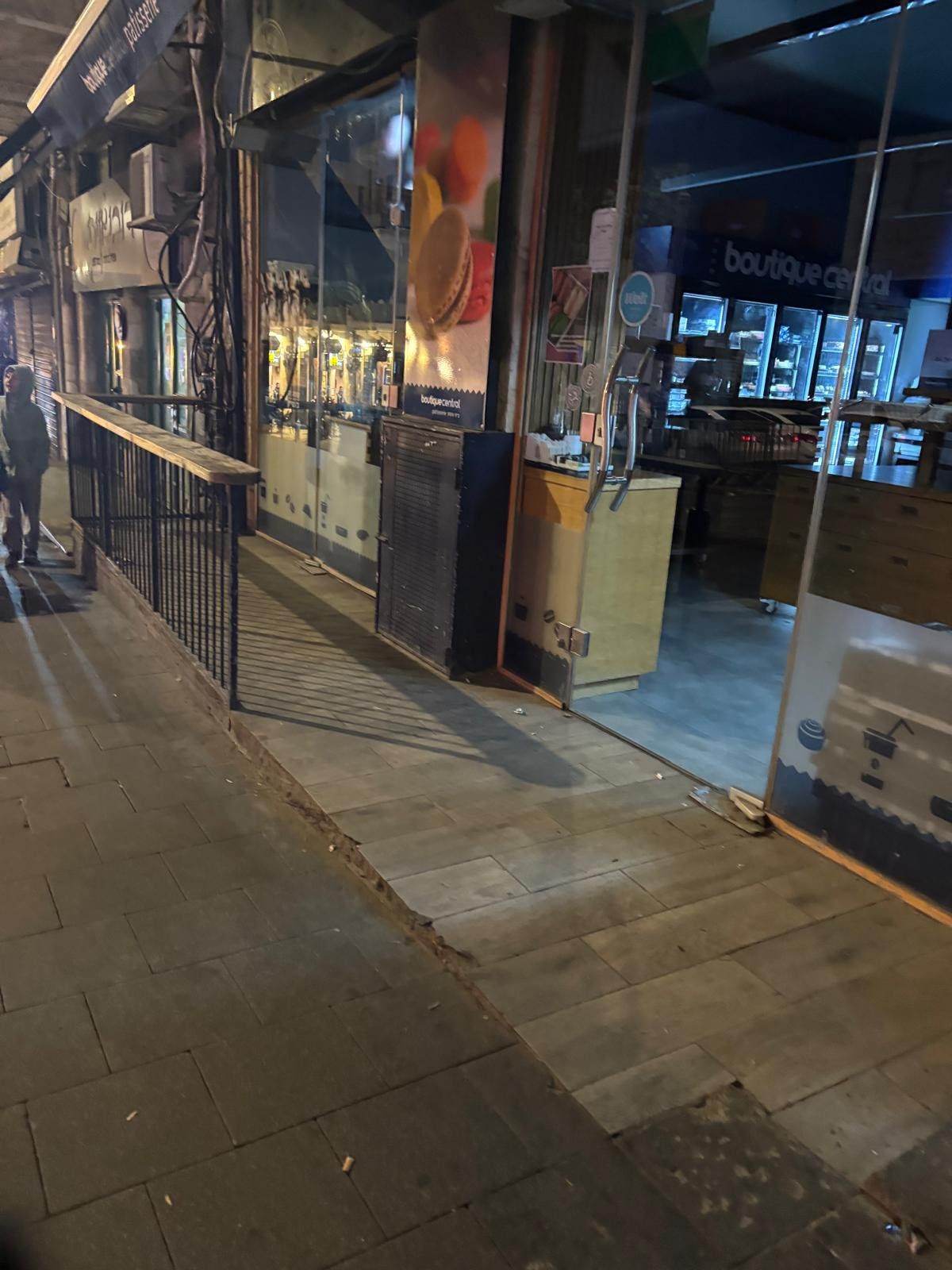
This ramp allowed entry into retail stores located along the public sidewalks
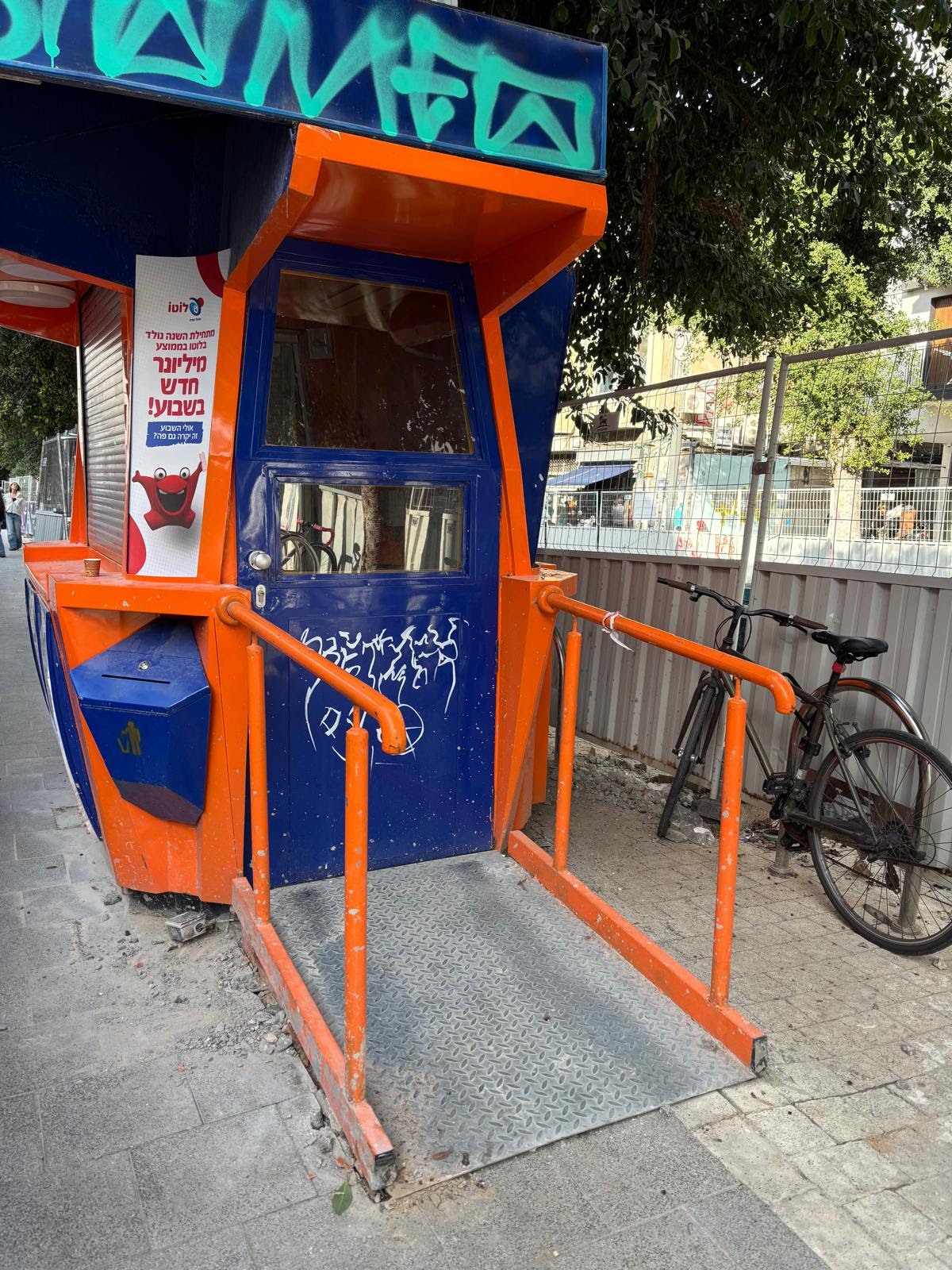
This ramp allowed entry to the employee of this kiosk
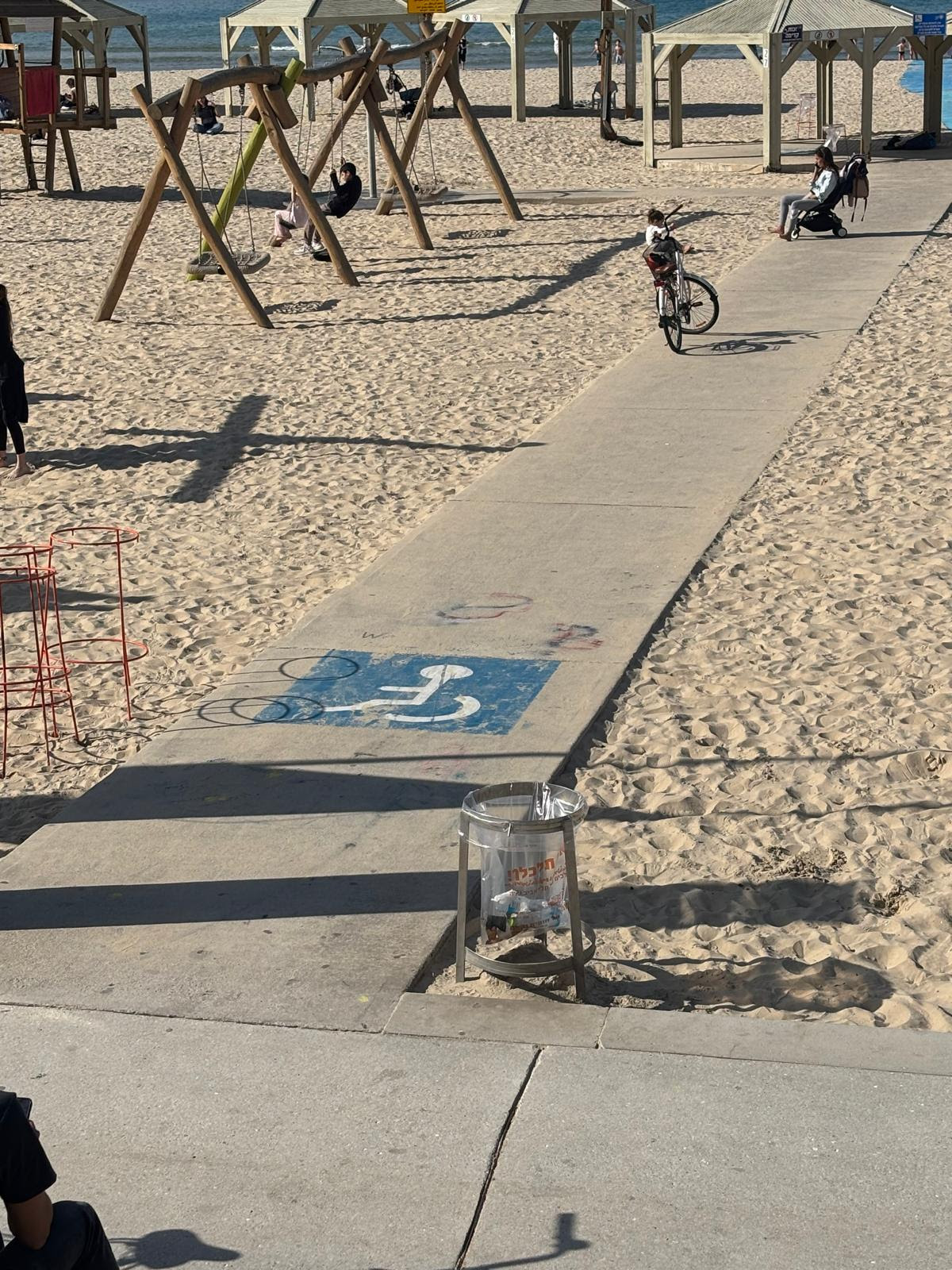
The beach front provided accessible routes to the sand and beach area
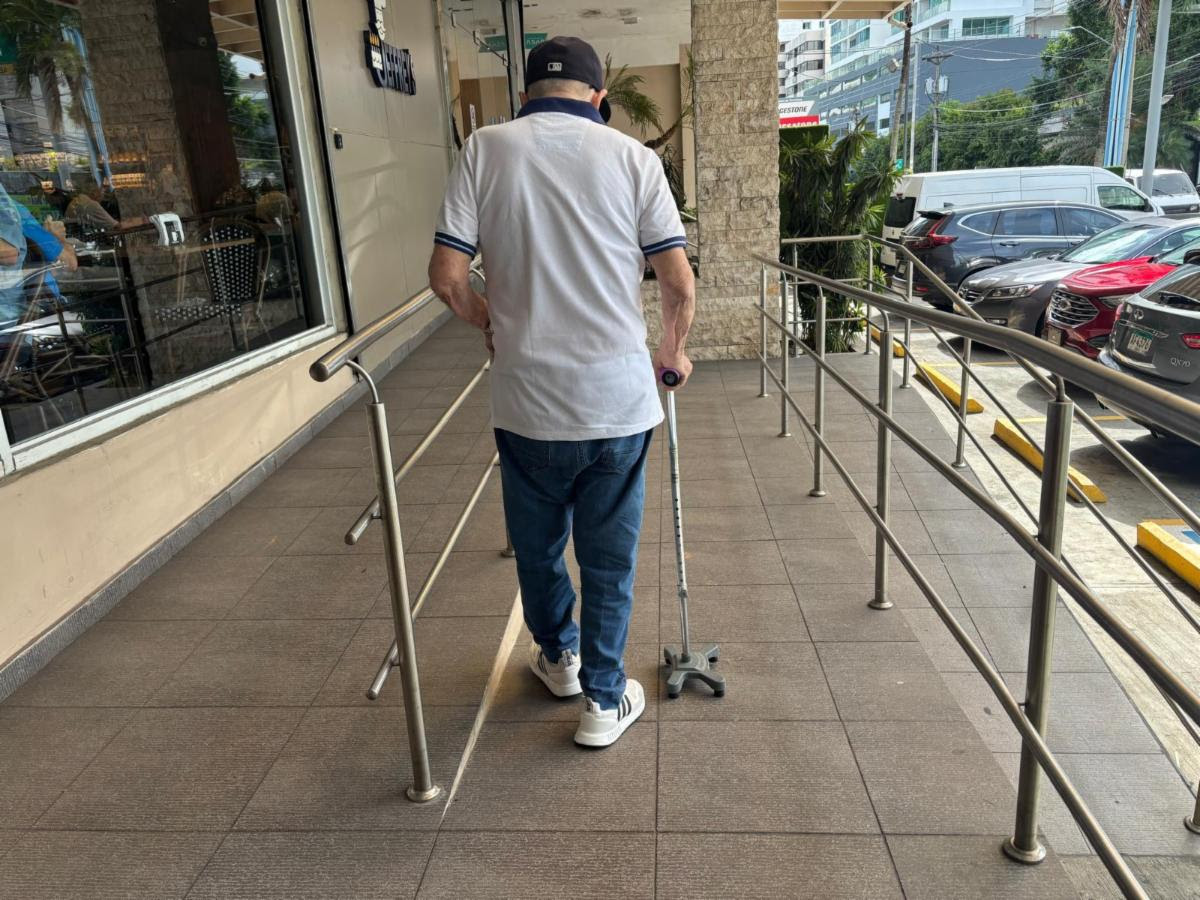
Theis is a ramp in Panama at a restaurant. It allowed people with disabilities to enjoy the restaurant that was located around 4′-0″ above the street/parking level
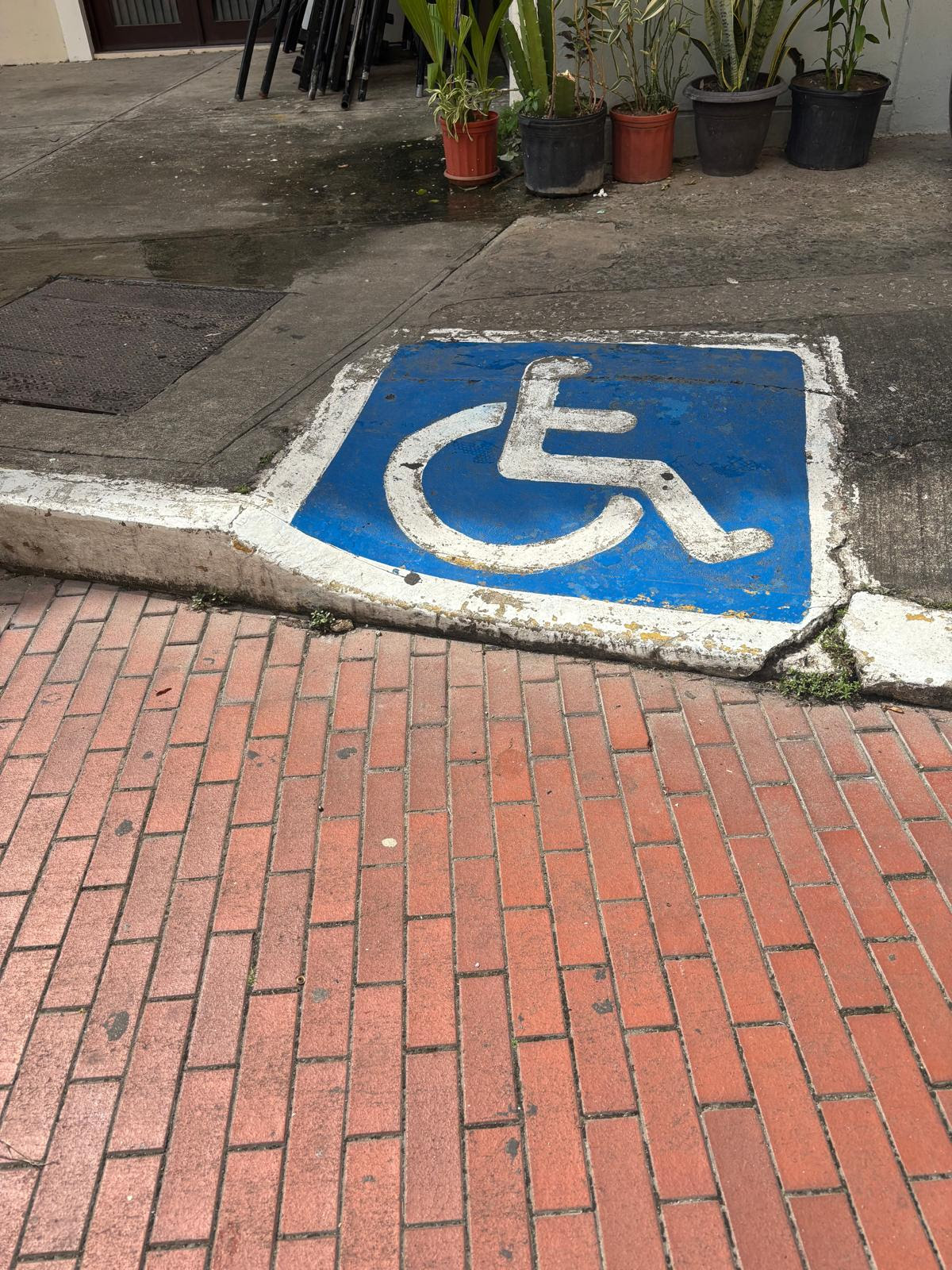
The curb ramp was located in the Old Part of Panama called Casco Viejo. It was a good attempt, although the change in level at the bottom of the ramp was higher than 1/4″ and makes it difficult for a person in a wheelchair to use it without assistance.
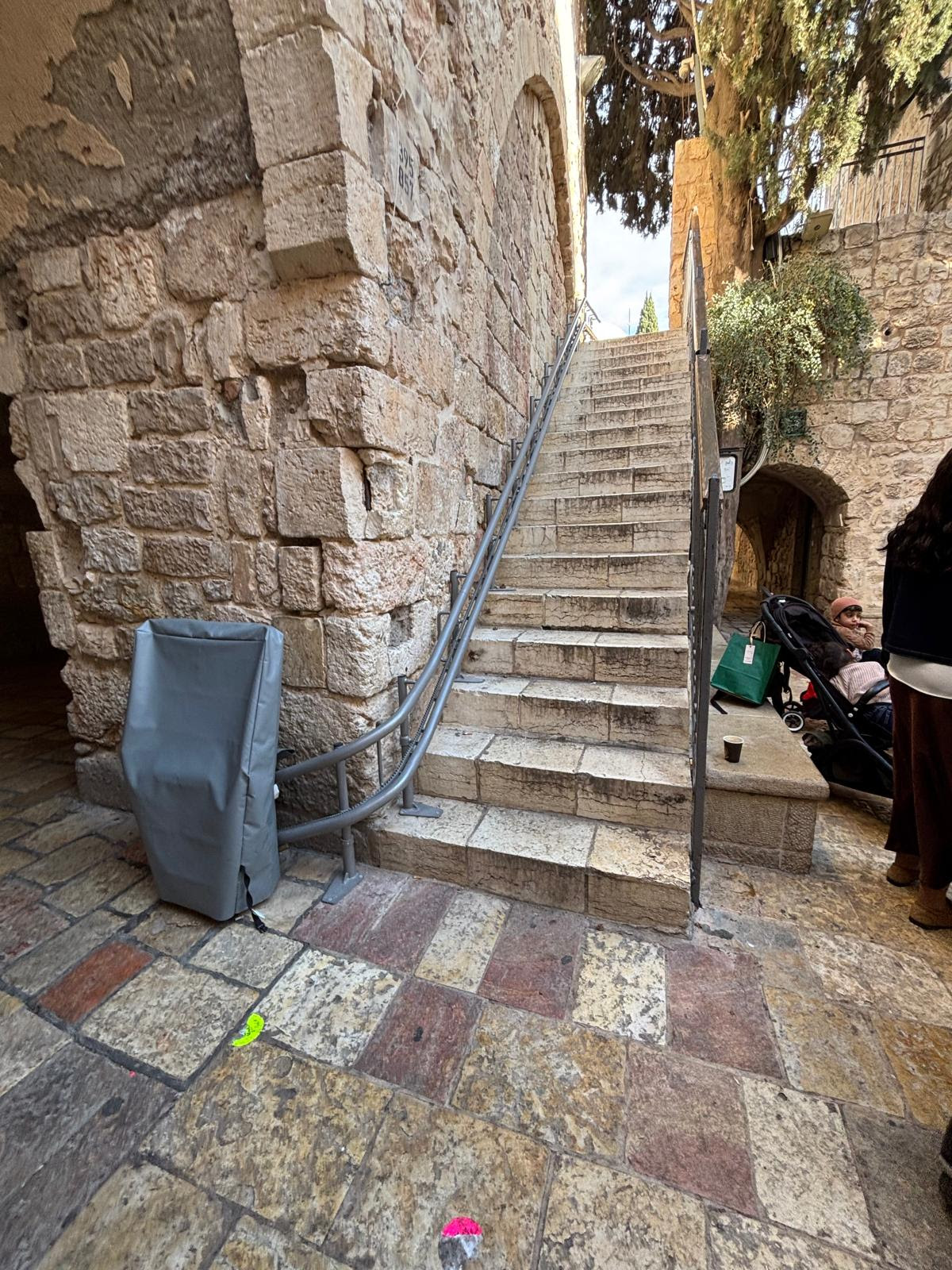
This is a chair lift located in Jerusalem, Israel that leads to a roof terrace to view the Old City. This is not allowed in certain States in the United States. Here in Texas, chair lifts cannot be part of an accessible route.
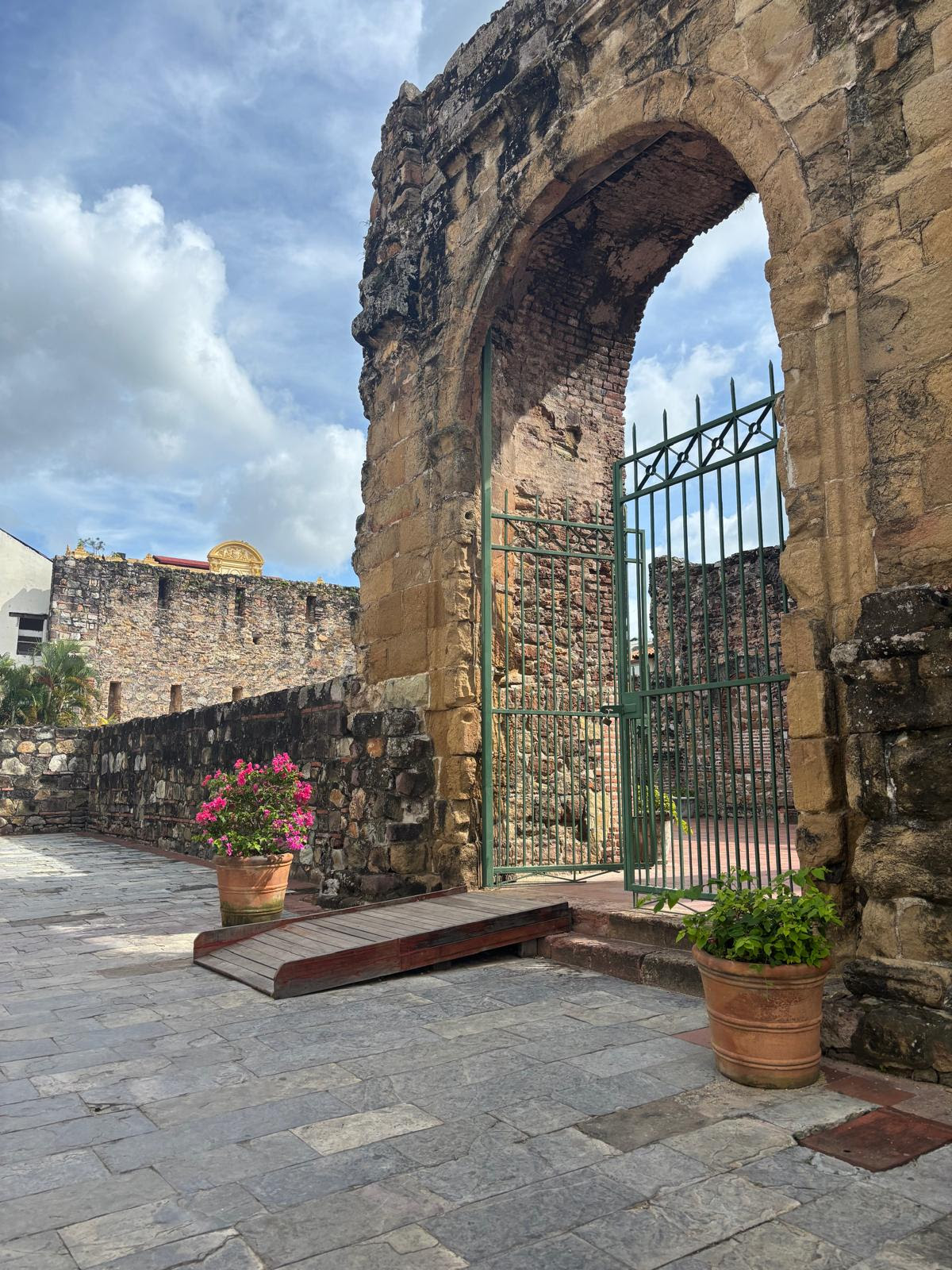
This is ramp in Casco Viejo in Panama City. It provides access into a historic courtyard of a church.
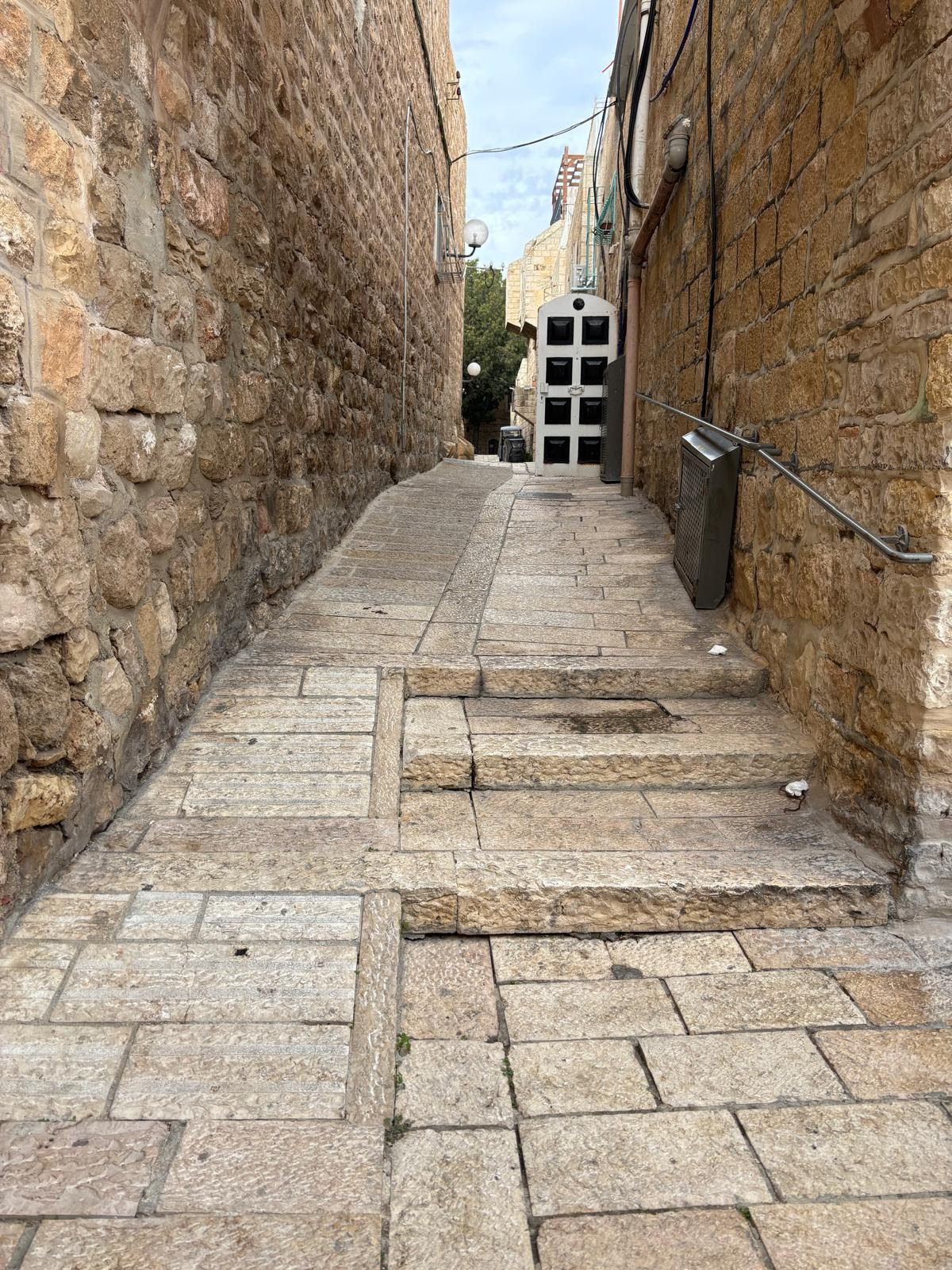
This is one of many accessible routes that we encountered while visiting Israel.
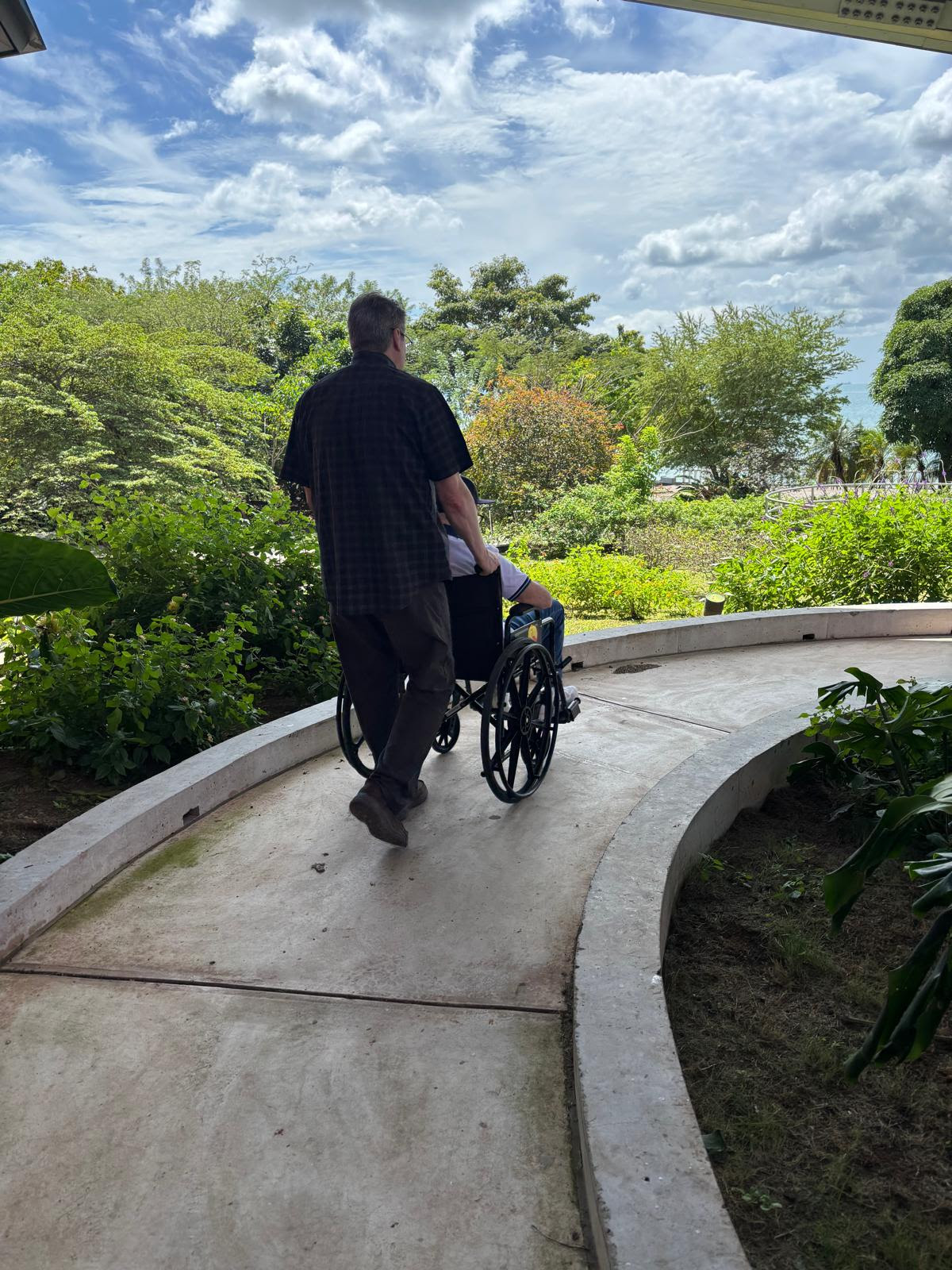
This is an accessible routes at the Bio Museum in Panama by Frank Ghery that we visited with my father.
ACCESSIBLE RESTROOMS
It was interesting to see how other countries provide accessibility in public restrooms. Below are some examples
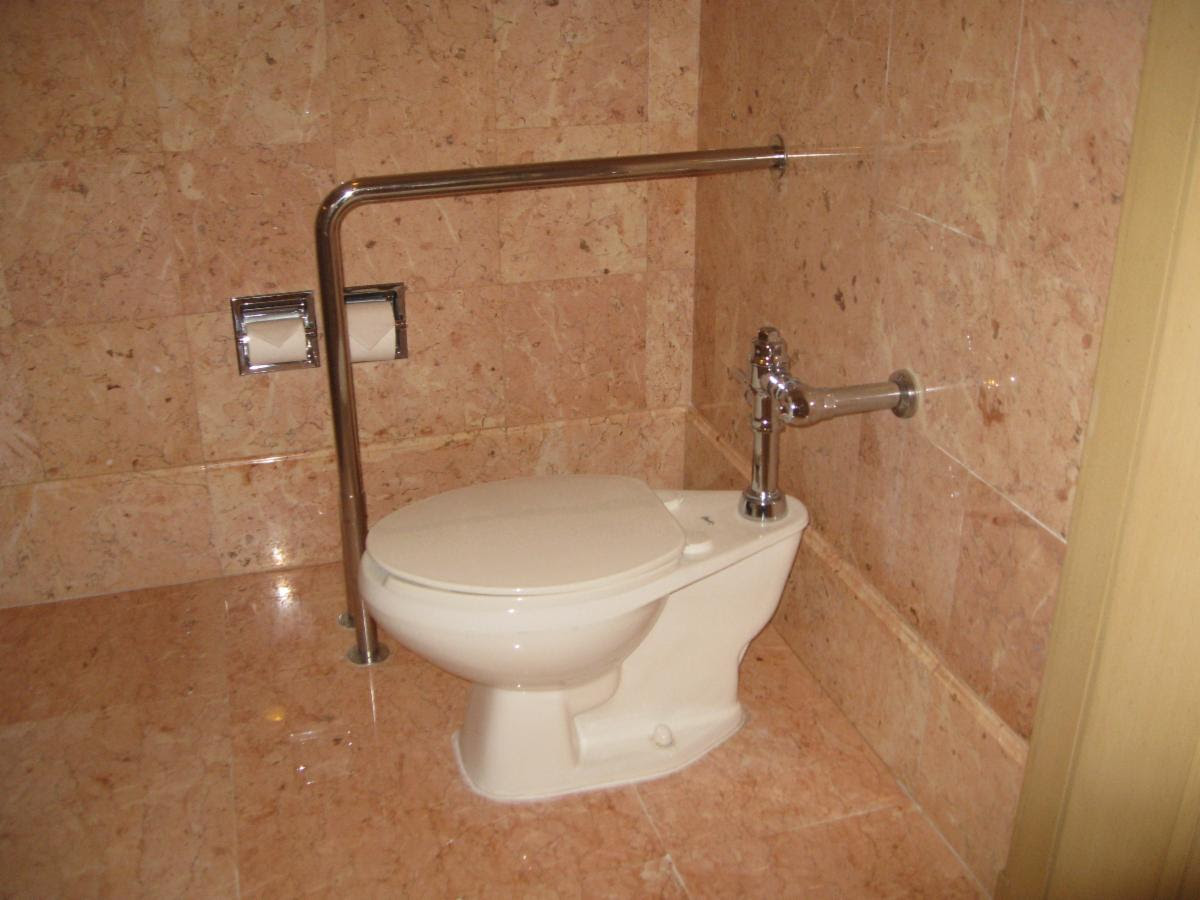
This is an accessible bathroom in Cancun
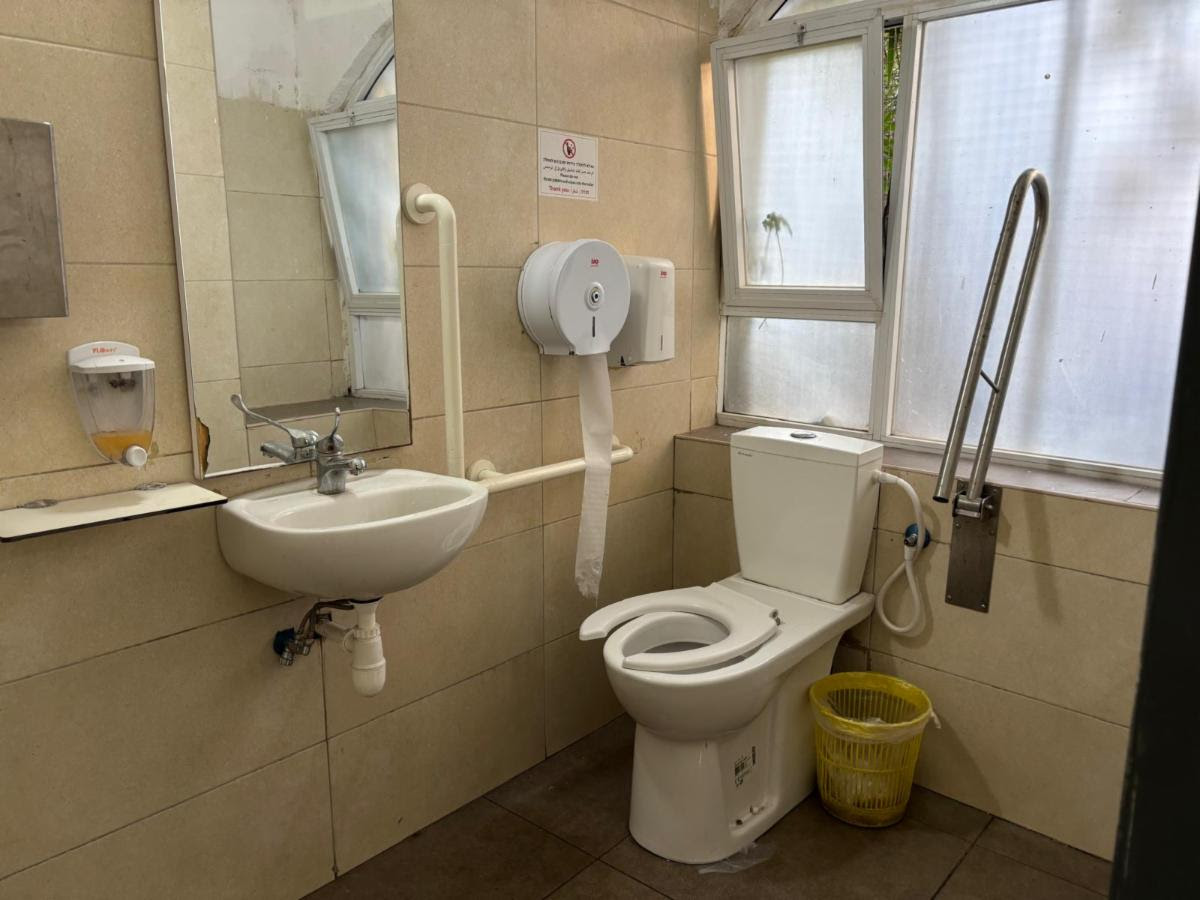
This is an accessible bathroom in Israel
ACCESSIBLE ELEMENTS FOR PERSON WITH VISUAL IMPAIRMENTS
Even though most of the elements we observed were provided with persons with mobility challenges in mind, in Israel we did notice many elements that assist persons who are visually impaired find their way
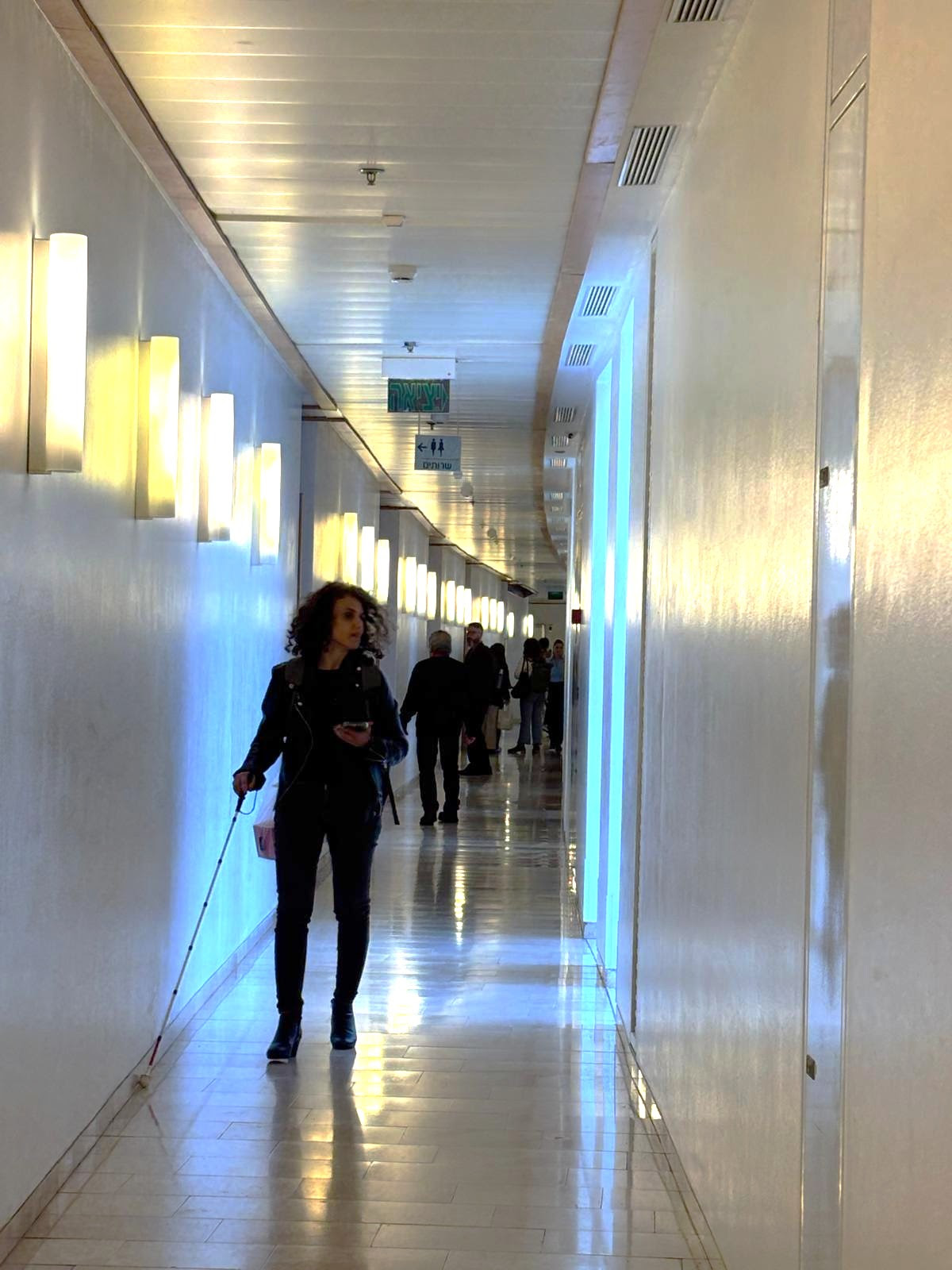
The sconces inside a corridor at a University in Herzeliah Israel were mounted higher than 80″ a.f.f. so that they would not be hazards to persons who use a white cane to find their way round.
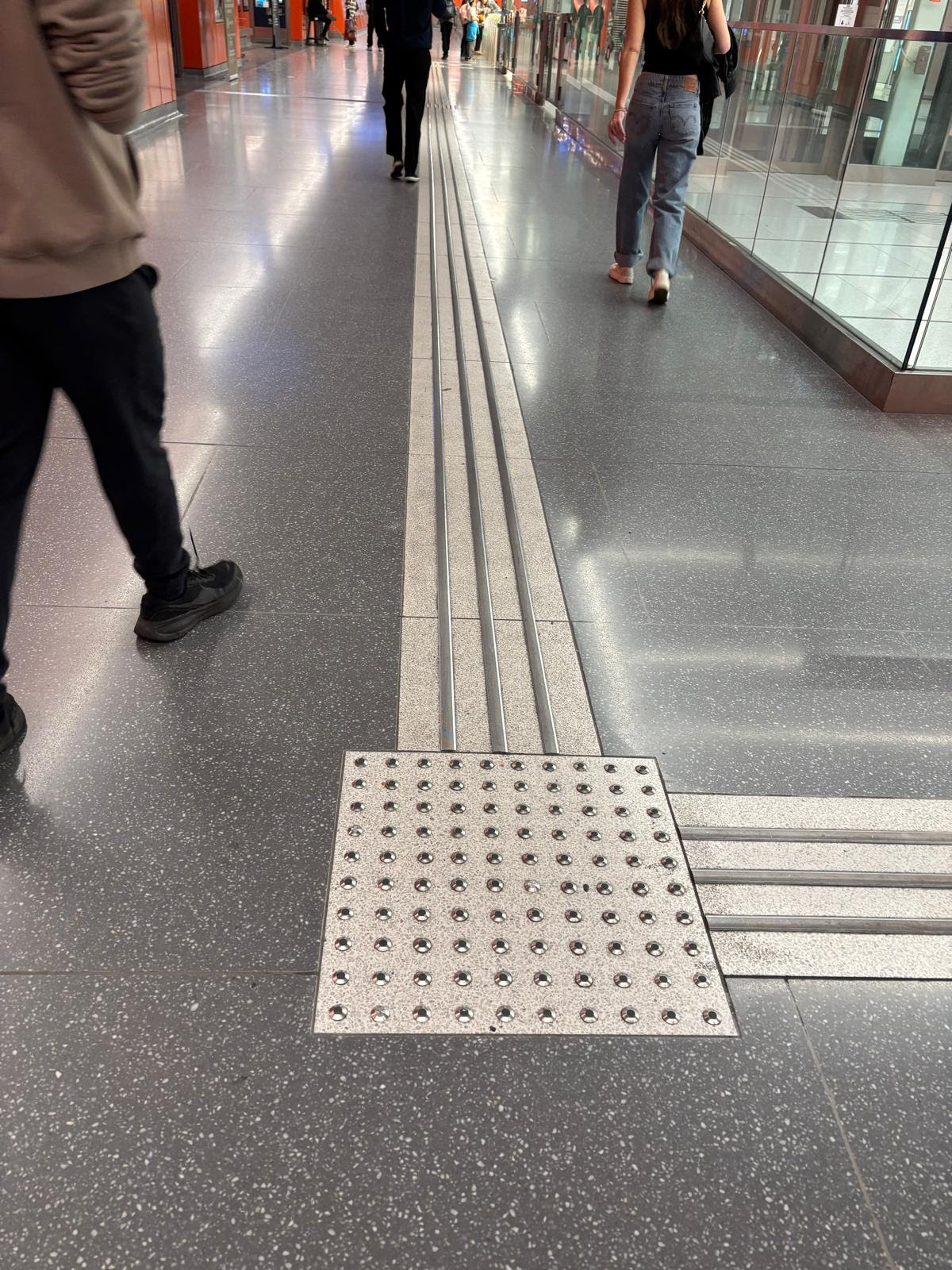
These detectable floor tiles indicate to persons who cannot see which direction is safe to wall. The linear tactile bars provide directional cues and the truncated domes indicate that there is a change in direction.
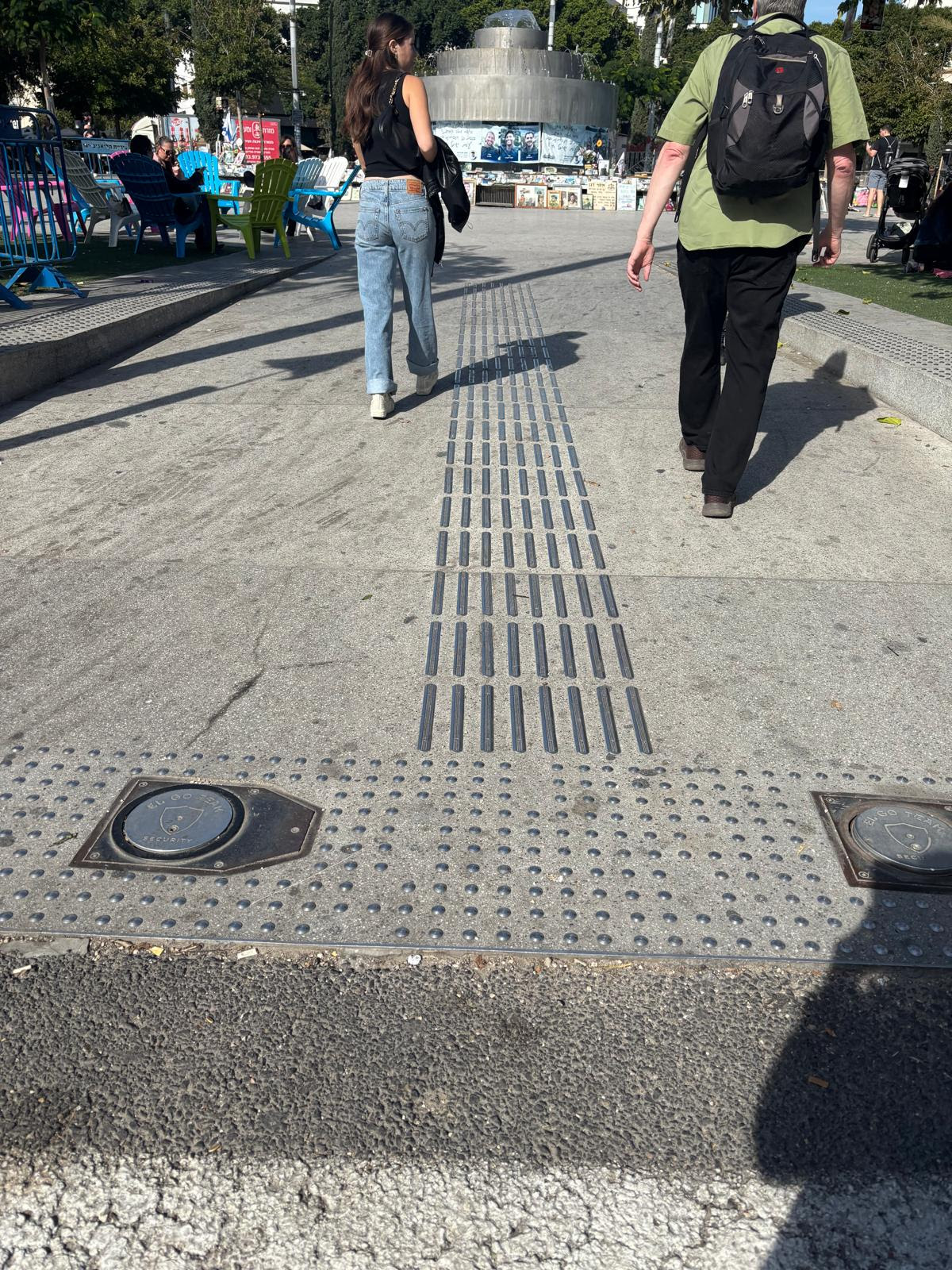
The detectable elements in a public right of way provides directional cues to visitors to the Dizengoff fountain in Tel Aviv.
OTHER ACCESSIBLE ELEMENTS
There were other elements that we observed like drinking fountains for wheelchairs and parking spaces for persons with disabilities
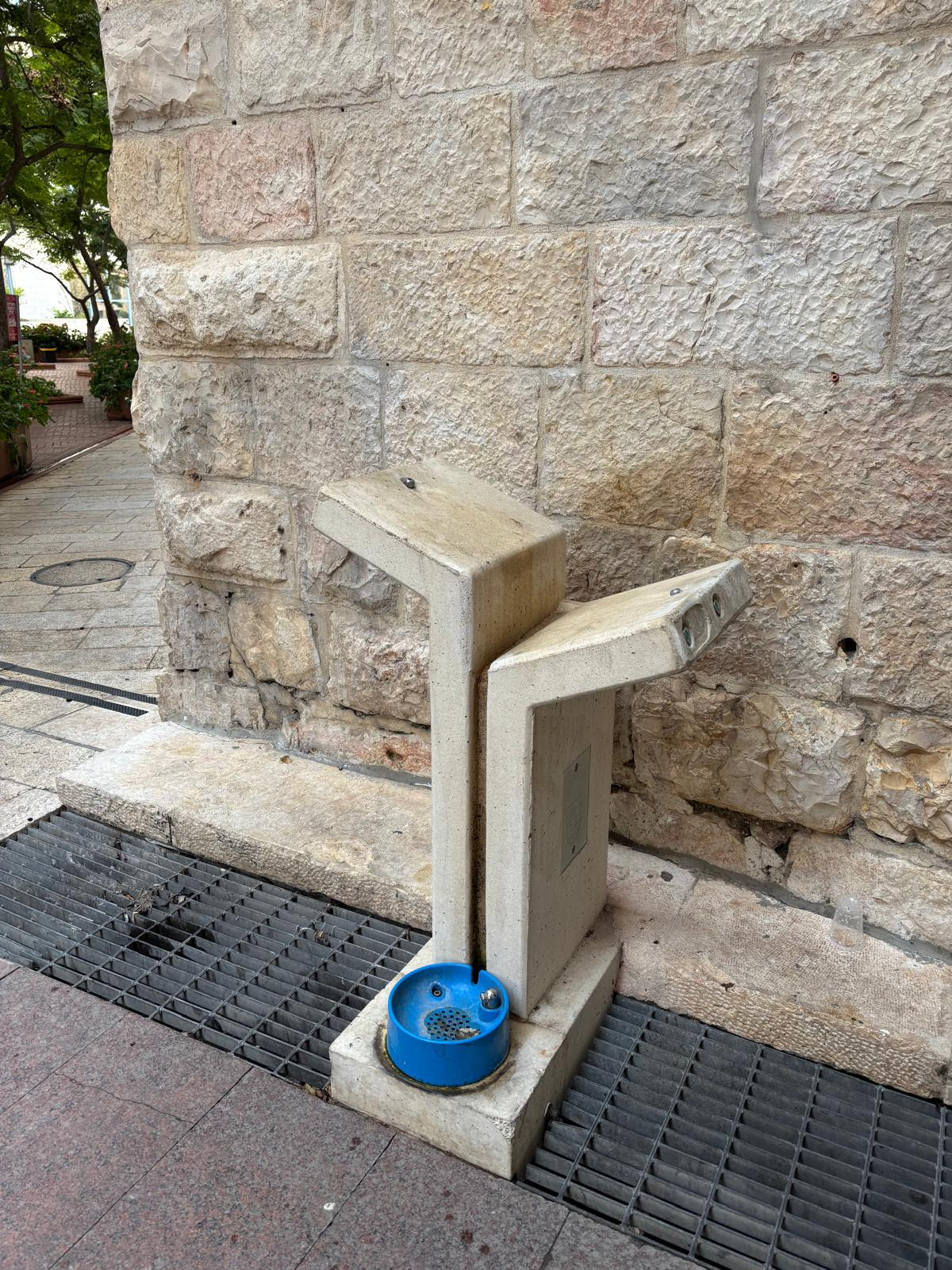
The drinking fountain in Jerusalem had a low one for wheelchairs
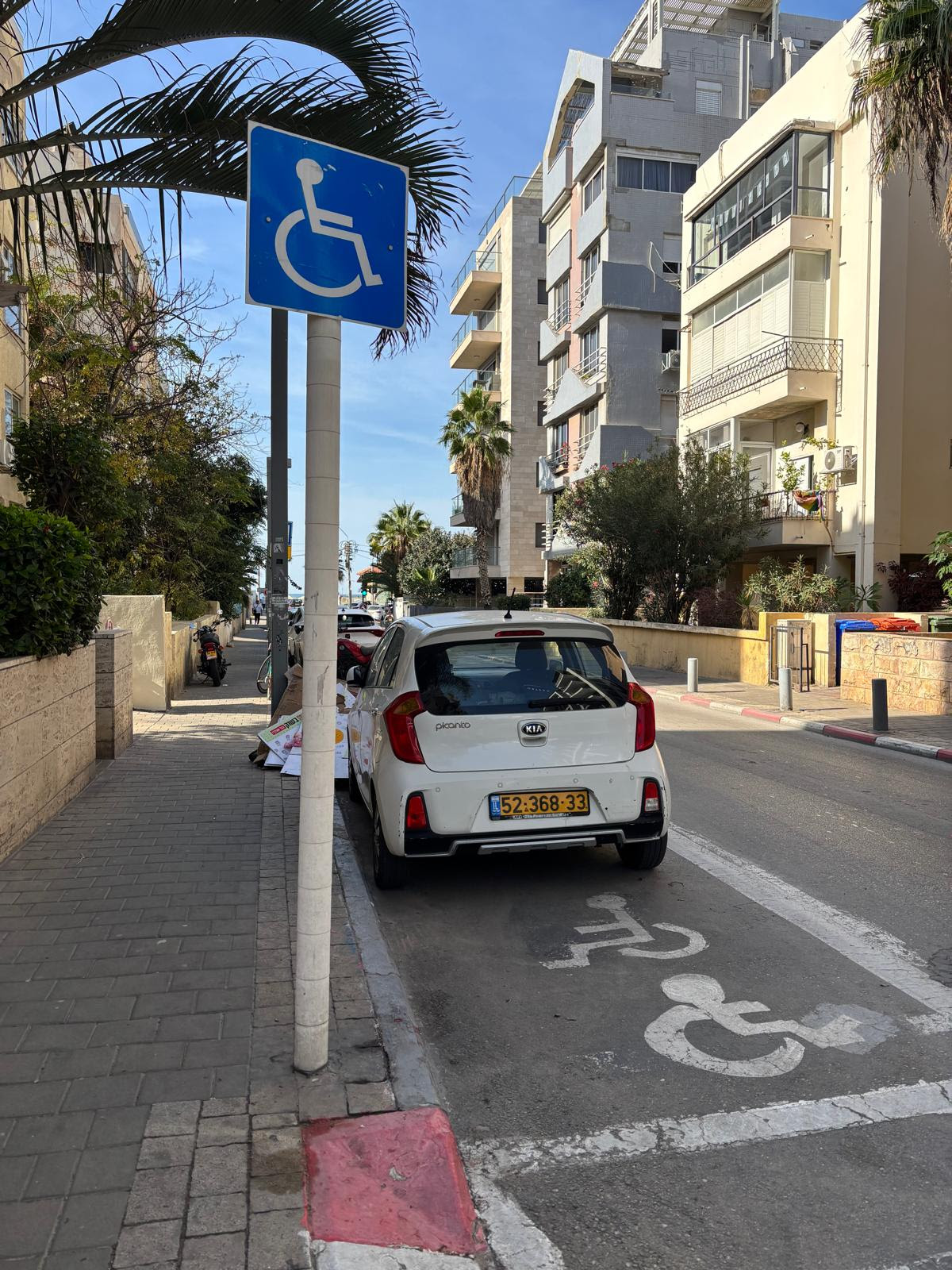
The parallel parking in Tel Aviv was a good attempt to designate the parking spaces, but it did not provide ample area to exit or to get onto the sidewalk
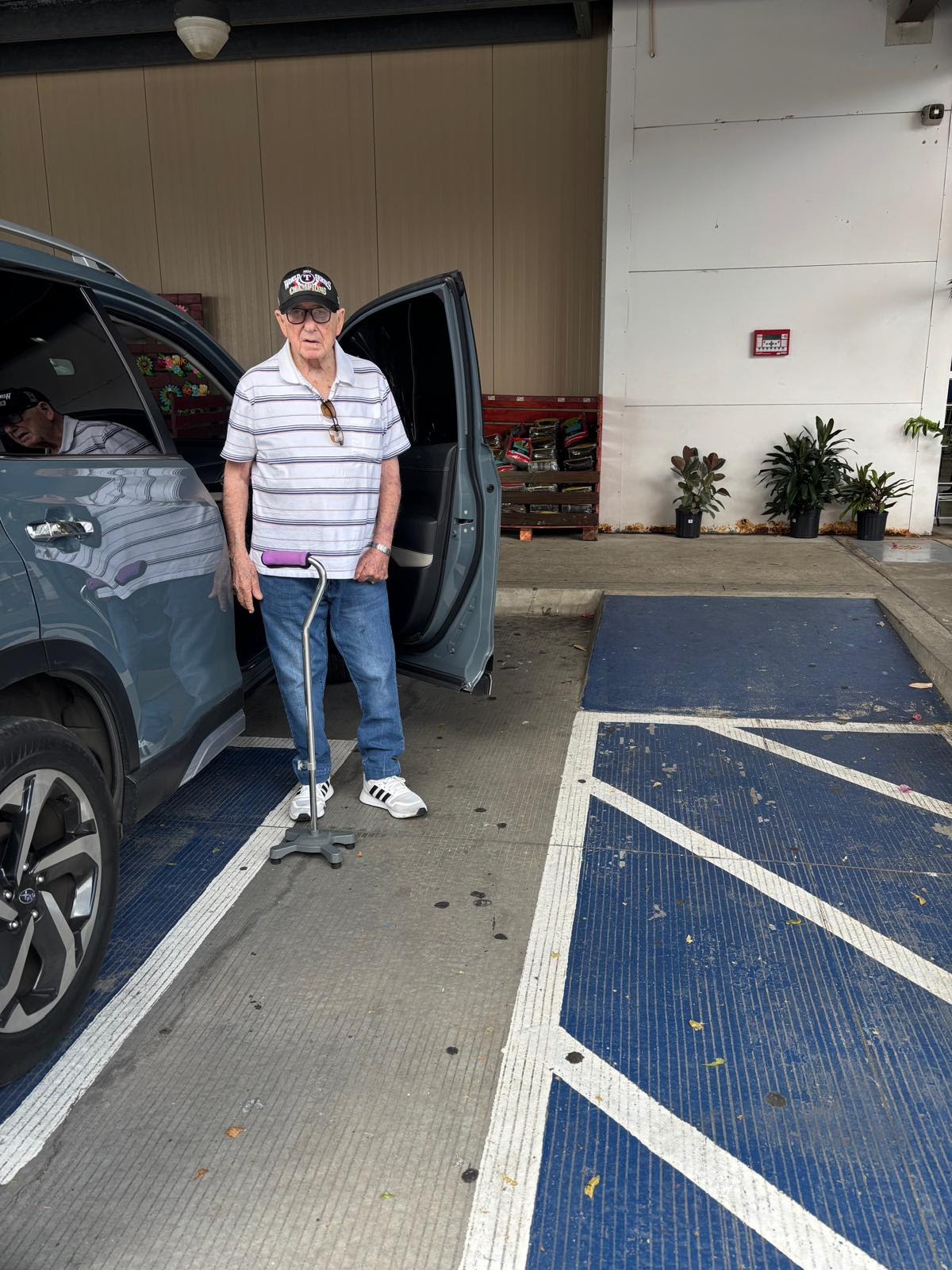
This accessible parking in Panama provided an area for people to exit and a ramp to go up to the sidewalk.
TAKE AWAYS
It is always nice to see that other countries work on having accessible elements for their citizens. I wonder if they have an ADA like we do, but it is nice that they try to provide accommodations to people who need it. Let’s keep educating so we can eliminate architectural barriers to travelers and others who need it.